


What Makes Saudi Real Estate Due Diligence Essential?

Saudi Arabia’s real estate market continues to attract domestic investors, international buyers, developers, family offices, and institutional funds as the Kingdom advances its Vision 2030 development objectives. However, rising investment opportunities also create a need for careful property assessment, legal verification, and financial risk analysis. Real estate advisory plays an important role in helping investors understand property ownership, market pricing, development potential, regulatory requirements, and long term returns before committing capital. Effective due diligence reduces uncertainty, identifies hidden liabilities, and supports informed decisions across residential, commercial, industrial, and mixed use property investments.
For investors and businesses operating in the Kingdom, due diligence involves much more than checking a property’s selling price or inspecting its physical condition. Insights Advisory consultancy can support a structured assessment of ownership documents, contractual obligations, financing arrangements, construction approvals, tax exposure, rental income, and market demand. In 2026, Saudi Arabia’s evolving property regulations, investment priorities, and real estate market conditions make reliable information particularly important. Buyers who understand the legal, commercial, and operational aspects of a transaction are better positioned to protect capital, negotiate suitable terms, and avoid disputes after a purchase.
Understanding Real Estate Due Diligence in Saudi Arabia
Real estate due diligence is a systematic investigation of a property and the transaction associated with it before an investor purchases, leases, develops, or finances the asset. The process verifies whether the property can legally be transferred, whether its financial performance matches expectations, and whether any restrictions could affect its intended use.
In Saudi Arabia, the process must reflect the Kingdom’s legal framework, land registration arrangements, planning requirements, financing conditions, and property market characteristics. A property that appears attractive because of its location or expected appreciation may still present substantial risks if ownership records are inconsistent, approvals are incomplete, access rights are disputed, or projected rental income is unrealistic.
A thorough investigation generally covers the following areas:
-
Legal verification: Confirming ownership, title information, registration status, and applicable restrictions.
-
Financial assessment: Reviewing purchase costs, financing obligations, operating expenses, and expected returns.
-
Physical inspection: Identifying structural defects, maintenance requirements, and construction deficiencies.
-
Market analysis: Comparing prices, rental demand, vacancy levels, and competing developments.
-
Regulatory compliance: Checking zoning, building permissions, permitted uses, and relevant tax obligations.
-
Contractual review: Examining sale agreements, leases, warranties, outstanding liabilities, and transfer conditions.
These checks help investors distinguish between a property that appears profitable and one that can deliver sustainable commercial value.
Why Saudi Arabia’s 2026 Property Market Requires Greater Scrutiny
Saudi Arabia’s real estate market is closely connected to urban development, infrastructure investment, population growth, tourism, logistics, and business expansion. Vision 2030 continues to influence demand across major cities, including Riyadh, Jeddah, and other developing economic centres. These structural changes create opportunities, but they do not guarantee that every property or development will generate attractive returns.
The Kingdom’s property market also contains considerable regional variation. A residential apartment in a high demand Riyadh district may have different rental prospects from a comparable unit in a newly developed neighbourhood with substantial competing supply. Similarly, a commercial property near an established business area may have a different risk profile from a project dependent on future infrastructure delivery.
Investors should consider the latest available market indicators rather than relying on national growth expectations alone. Saudi Arabia’s General Authority for Statistics publishes real estate price index data that can help investors understand price movements across property categories and regions. Transaction data and local market reports can provide additional context about activity, liquidity, and pricing.
Due diligence is particularly important when:
-
Property prices have increased faster than achievable rents.
-
Several competing developments are expected to enter the market.
-
The investment depends on future transport or infrastructure projects.
-
A developer has limited experience delivering comparable properties.
-
Financing costs materially affect expected cash flow.
-
A property is marketed using projected returns without supporting evidence.
Investors should distinguish between announced development plans and completed infrastructure. A future transport link or commercial district may improve a property's prospects, but its benefits depend on delivery schedules, accessibility, actual occupier demand, and the timing of surrounding development.
Legal Due Diligence and Property Ownership Verification
Legal verification is one of the most important stages of a Saudi real estate transaction. Investors need to establish that the seller has the legal authority to transfer the property and that the asset is not subject to restrictions that could prevent the intended transaction.
The Real Estate Registration Law provides a formal framework for registering property rights, recording relevant obligations, and documenting changes in ownership. The Real Estate Registry contains information concerning property descriptions, boundaries, ownership, and associated rights. Certain transactions and rights must be registered to achieve the legal effect specified by the applicable law.
Legal due diligence should cover several essential documents and issues:
-
Title and registration records: Verify the property's registration details, ownership information, boundaries, and recorded rights.
-
Seller authority: Confirm the seller's identity and legal capacity to complete the transaction. For corporate sellers, examine the relevant company records and authorisations.
-
Mortgages and encumbrances: Identify registered security interests, restrictions, claims, or other obligations that could affect transfer.
-
Ownership disputes: Investigate known litigation, competing claims, inheritance issues, or unresolved boundary disagreements.
-
Access rights: Confirm legal access to roads, shared facilities, utility connections, and other essential infrastructure.
-
Existing agreements: Review leases, development agreements, easements, and other arrangements that could limit the buyer's use of the property.
A property's marketing description should never replace documentary verification. Differences between advertised floor areas, cadastral information, physical boundaries, and registration records may indicate errors that need to be resolved before completion.
Investors should also confirm that the transaction follows the applicable registration procedures. A signed sale agreement alone should not be treated as proof that every required transfer step has been completed. The legal team should establish which registrations, clearances, and approvals are necessary for the specific asset.
New Property Ownership Rules for Non Saudi Investors in 2026
An important regulatory development occurred on 22 January 2026, when Saudi Arabia's Real Estate Ownership System for Non Saudi Nationals entered into force. The framework allows eligible individuals and entities to pursue property ownership through the applicable official procedures, subject to relevant requirements and restrictions.
The framework does not mean that every foreign investor can purchase any property in every location without restrictions. Ownership rights depend on the relevant legal category, permitted geographical areas, applicable controls, and the investor's circumstances. Special provisions also apply to Makkah and Madinah, and corporate ownership may involve additional registration requirements.
The implementing regulations were approved on 3 July 2026, adding further detail to the framework.
For international buyers, due diligence should therefore establish:
-
Whether the investor qualifies under the applicable ownership framework.
-
Whether the property's location falls within an authorised geographical area.
-
Whether any ownership limits or special conditions apply.
-
Whether the buyer must complete additional registrations before acquiring the asset.
-
Whether the transaction involves specific fees, taxes, or reporting obligations.
-
Whether the proposed use is consistent with the investor's permitted rights.
These checks are particularly important for overseas individuals, foreign companies, investment funds, and businesses planning to use property for offices, accommodation, logistics, or commercial operations.
Financial Due Diligence and Investment Viability
A property may have a clear title and still be a poor investment. Financial due diligence examines whether the purchase price, expected income, financing structure, operating expenses, and future capital requirements are commercially reasonable.
Investors should distinguish between gross rental income and the actual cash available after expenses. Marketing materials may emphasise expected occupancy or potential rent without fully accounting for maintenance, property management, insurance, service charges, vacancies, financing costs, and refurbishment.
A reliable financial assessment should examine the following:
-
Purchase price: Compare the proposed price with recent transactions involving similar properties in the same district.
-
Rental income: Verify contracted rents where available and compare projected rents with achievable market levels.
-
Operating expenses: Assess recurring maintenance, management, utilities, insurance, and other property related costs.
-
Financing arrangements: Review interest or profit payments, repayment schedules, covenants, collateral requirements, and refinancing exposure.
-
Capital expenditure: Estimate spending required for renovations, structural repairs, equipment replacement, and regulatory compliance.
-
Exit assumptions: Evaluate potential resale prices, selling expenses, liquidity, and the time needed to dispose of the asset.
Investors should also test the effect of changing market conditions. For example, a property investment may appear attractive when calculated using 95% occupancy, but its financial performance could weaken considerably if occupancy falls to 85% while maintenance costs rise.
A prudent assessment considers multiple scenarios rather than relying on a single forecast. The assumptions should reflect the asset's location, tenant profile, lease structure, financing terms, and expected holding period.
Assessing Rental Returns and Cash Flow
Rental yield is a useful starting point, but it does not fully measure investment quality. A gross yield calculated from annual rent and the purchase price excludes many expenses that affect the investor's actual return.
Investors should review:
-
The difference between asking rents and rents achieved in completed leases.
-
The duration of existing leases and the reliability of tenant payments.
-
Vacancy periods between tenants and the cost of finding replacements.
-
Rent collection history and outstanding receivables.
-
Lease renewal terms and contractual rent adjustment provisions.
-
Potential changes in operating expenses over the holding period.
Commercial property requires additional attention to tenant concentration. A building that depends on one major tenant may face significant income disruption if that tenant leaves, reduces its space, or experiences financial difficulties.
For residential investments, due diligence should consider the number of competing units, household affordability, local employment conditions, transport accessibility, and the quality of nearby services.
A professional financial assessment can help identify whether the expected return compensates investors for the risks involved. It can also reveal whether the proposed purchase price leaves sufficient room for unexpected costs or weaker than expected income.
Physical and Technical Property Inspection
Physical due diligence establishes whether the property's actual condition matches its documented description and intended use. Even a legally sound property can generate substantial unplanned expenditure if defects are discovered after completion.
A qualified inspector or relevant technical specialist should examine the building, land, infrastructure, and available maintenance records. The inspection should be proportionate to the property's age, size, complexity, and intended purpose.
Important areas include:
-
Structural integrity, including foundations, columns, beams, and visible cracking.
-
Roof condition, waterproofing, drainage, and signs of water penetration.
-
Electrical installations, plumbing, cooling systems, and ventilation.
-
Fire detection, emergency exits, and applicable safety arrangements.
-
Elevators, parking facilities, shared areas, and essential equipment.
-
Evidence of unauthorised alterations or construction that differs from approved plans.
-
Energy efficiency, building maintenance history, and likely replacement costs.
For undeveloped land, the investigation should consider topography, soil conditions, drainage, access, utility availability, and any environmental or engineering constraints that could affect construction.
The technical review should also distinguish urgent repairs from improvements that can be scheduled later. This distinction helps investors estimate immediate capital requirements and negotiate transaction terms based on documented findings.
For large commercial buildings, warehouses, hospitality assets, and mixed use developments, specialist inspections may be necessary. Mechanical systems, fire protection, loading facilities, lifts, and building management equipment can have a substantial impact on operational reliability.
Market Due Diligence and Location Analysis
Market due diligence determines whether sufficient demand exists for the property's intended use. Investors should avoid assuming that strong national development activity automatically translates into strong demand for every individual asset.
Saudi Arabia's major cities contain different economic centres, tenant groups, infrastructure conditions, and development patterns. Riyadh's business districts, Jeddah's commercial corridors, and industrial locations serving logistics and manufacturing may require different analytical approaches.
The Real Estate General Authority's Real Estate Indicators platform provides data on sales and rental activity across the Kingdom, including cities and neighbourhoods. Investors can use these indicators to compare locations, property types, and periods before making a purchase decision.
Market analysis should investigate:
-
Recent completed transactions involving comparable properties.
-
Rental rates and the difference between advertised and achieved prices.
-
Current and planned competing developments.
-
Local population trends, employment activity, and business formation.
-
Access to transport, schools, healthcare, retail, and employment centres.
-
Vacancy levels, tenant demand, and expected absorption of new supply.
-
Resale liquidity and the profile of likely future buyers.
The choice of comparable properties matters. A premium apartment with modern facilities should not be valued solely against older buildings with different amenities. Similarly, a warehouse designed for specialised logistics operations may not be directly comparable with basic industrial storage space.
Real estate advisory can help investors interpret market evidence, assess local pricing differences, and identify assumptions that require further verification. However, market opinions should be supported by reliable transaction records, relevant comparables, and realistic assessments of future demand.
Taxation, Transaction Costs, and Regulatory Compliance
Transaction costs can materially affect the total amount required to acquire and operate a property in Saudi Arabia. Investors should identify applicable taxes, registration charges, professional fees, financing expenses, and other costs before finalising the purchase budget.
Real estate transactions may be subject to Real Estate Transaction Tax, commonly referred to as RETT. Saudi Arabia introduced a 5% RETT rate effective 10 April 2025, subject to the applicable legislation, exemptions, and transaction rules. Buyers should verify the tax treatment of their specific transaction rather than assume that every transfer follows an identical process.
Due diligence should also establish whether the property complies with relevant planning, construction, licensing, and operational requirements. A building intended for commercial use may require approvals that differ from those applicable to residential property. Industrial and hospitality assets may have additional technical and operational requirements.
Investors should examine the following matters:
-
Applicable property transfer taxes and potential exemptions.
-
Registration charges and administrative expenses.
-
Outstanding utility bills, service charges, and other property liabilities.
-
Municipal approvals and permitted land use.
-
Construction permits and completion documentation.
-
Applicable licensing and safety requirements.
-
Lease registration obligations and existing contractual commitments.
-
Tax documentation and evidence of payments required for the transaction.
The buyer should establish which costs are legally payable by each party and whether the purchase agreement allocates responsibilities clearly. Unresolved obligations can delay completion or increase the total investment cost.
For non Saudi investors, the ownership framework introduced in 2026 adds another layer of regulatory verification. Eligibility, geographical restrictions, registration procedures, and potential fees must be assessed in accordance with the rules applicable to the investor and property. Legal advisers should verify the current requirements before the transaction proceeds.
Due Diligence for Off Plan Property and New Developments
Off plan properties can appeal to investors because they may offer staged payment arrangements, modern specifications, and exposure to developing neighbourhoods. However, purchasing a property before completion creates risks that differ from those associated with an existing building.
Investors must assess both the developer and the project. A well presented sales office or attractive architectural rendering does not establish that construction will be completed on schedule or that the finished asset will meet the expected specifications.
Key checks include:
-
Verification of the developer's legal identity and relevant licences.
-
Confirmation of project approvals and applicable off plan sale requirements.
-
Review of the development's registration and contractual documentation.
-
Assessment of the developer's financial position and delivery record.
-
Examination of construction milestones and payment conditions.
-
Verification of the proposed completion date and procedures for delays.
-
Review of the specifications, facilities, warranties, and handover obligations.
-
Assessment of the project's exposure to construction cost increases and supply disruptions.
The Saudi real estate registration framework provides for an off plan real estate register and requires relevant off plan dispositions to be recorded under the applicable rules. Investors should verify that the project and transaction meet the requirements governing the particular development.
Payment terms deserve particular scrutiny. Buyers should understand when payments become due, what evidence demonstrates progress, and what contractual remedies may apply if delivery is delayed or specifications change.
A feasibility assessment should also consider whether the expected completion value remains reasonable under alternative market scenarios. If several similar projects are scheduled to open around the same time, rental and resale assumptions may need to be adjusted to reflect additional supply.
Identifying Fraud, Misrepresentation, and Hidden Liabilities
Fraud prevention is another essential reason to conduct comprehensive due diligence. Property transactions can involve substantial financial commitments, making verification important even when the seller appears reputable or the opportunity has been recommended by a trusted contact.
Warning signs may include inconsistent ownership records, unusual payment instructions, pressure to complete a transaction quickly, unsupported claims about guaranteed returns, or reluctance to provide essential documents.
Investors should take practical precautions:
-
Independently verify the seller's identity and authority.
-
Confirm property information through appropriate official records.
-
Use verified banking details and documented payment procedures.
-
Obtain independent legal review of the sale agreement.
-
Investigate claims about guaranteed rental income or future appreciation.
-
Confirm that agents and other intermediaries have the required authority.
-
Retain signed agreements, payment evidence, approvals, and inspection reports.
Related party transactions require additional care. When a seller, developer, broker, or intermediary has a relationship with the buyer, conflicts of interest should be disclosed and the commercial terms independently assessed.
For corporate investors, due diligence should also examine beneficial ownership where relevant, the authority of company representatives, and any obligations that could affect the enforceability of the transaction. Appropriate checks can reduce the likelihood of disputes and improve the quality of the investment decision.
How Professional Advisory Supports Better Decisions
A property transaction often involves legal, financial, technical, and commercial questions that cannot be answered by one type of investigation alone. Coordinating these workstreams helps decision makers understand how individual risks affect the overall investment.
Insights Advisory consultancy can contribute to a structured review of financial assumptions, commercial viability, transaction risks, and investment objectives. The precise scope depends on the property and the expertise required, with legal questions referred to qualified Saudi legal professionals and technical issues assessed by appropriate specialists.
A coordinated due diligence process should establish:
-
Which documents must be obtained and independently verified.
-
Which risks could prevent the transaction from proceeding.
-
Which findings could justify a price adjustment or revised contract.
-
Which costs must be included in the investment budget.
-
Which issues require further technical or legal investigation.
-
Which contractual protections are appropriate for identified risks.
-
Whether the investment remains attractive under less favourable assumptions.
Real estate advisory can also support the interpretation of property valuations, projected rental income, local market evidence, and exit assumptions. Independent analysis is particularly valuable when investors are comparing several properties or assessing a transaction with complex financing arrangements.
The objective is not to eliminate every possible risk. Instead, due diligence should make material risks visible, clarify their potential financial impact, and help investors decide whether those risks can be managed within their investment strategy.
Creating a Practical Saudi Real Estate Due Diligence Checklist
A standardised checklist can make property investigations more consistent, especially for businesses evaluating multiple assets across Saudi Arabia. The checklist should be adapted to the transaction rather than applied identically to every property.
Before purchase, investors should confirm that the following workstreams have been completed:
Legal and ownership review
-
Ownership and registration records have been checked.
-
Seller authority and applicable ownership eligibility have been confirmed.
-
Relevant encumbrances, disputes, and contractual restrictions have been investigated.
-
Required transfer approvals and registration steps have been identified.
Financial and commercial review
-
The purchase price has been compared with appropriate market evidence.
-
Rental assumptions and operating expenses have been independently assessed.
-
Financing obligations and potential cash flow pressures have been reviewed.
-
Transaction costs and expected capital expenditure have been included in the budget.
Technical and operational review
-
Physical inspections have been completed at an appropriate level.
-
Material defects and maintenance requirements have been documented.
-
Planning permissions and permitted uses have been verified.
-
Existing leases, service arrangements, and operating obligations have been examined.
Transaction readiness
-
Material findings have been recorded and assigned to responsible specialists.
-
Unresolved issues have been assessed for their effect on price, timing, and risk.
-
Contractual protections and completion conditions have been reviewed.
-
Required documents, approvals, and payments have been confirmed before completion.
This approach creates a clear record of the investigation and reduces the risk of important issues being overlooked during negotiations.
The Long Term Value of Real Estate Due Diligence in Saudi Arabia
Saudi Arabia's evolving property market offers opportunities across residential, commercial, industrial, tourism, and mixed use developments. However, investment performance depends on the specific asset, location, purchase price, legal position, financing structure, and demand for its intended use.
The regulatory developments of 2026, including the implementation of the Non Saudi Property Ownership System and its implementing regulations, make accurate legal verification especially important for investors entering the market. Meanwhile, official property indicators provide a useful foundation for comparing transaction activity and rental conditions across locations.
Comprehensive due diligence brings these considerations together. It helps investors identify ownership problems, assess realistic returns, understand regulatory obligations, estimate future expenditure, and negotiate transactions on the basis of verified information. By combining legal checks, financial analysis, technical inspections, and market research, investors can make better informed decisions and protect their capital over the life of a property investment.
Ultimately, real estate due diligence is not simply an administrative requirement completed before signing an agreement. It is a fundamental part of disciplined investment management that supports transparency, risk control, and sustainable property ownership in the Kingdom.
Categories
- Artificial Intelligence (AI)
- Technology
- Business
- Education
- Science
- Lifestyle
- Healthcare
- Entertainment
- Politics
- Environment
- Travel
- Finance
- Automobile
- News
- Art
- Causes
- Crafts
- career
- Dance
- Drinks
- Film
- Fitness
- Food
- Games
- Gardening
- Health
- Home
- Literature
- Music
- Networking
- Other
- Party
- Religion
- Shopping
- Sports
- Theater
- Wellness
Read More
The US Clinical Data Analytics Market is on an impressive upward trajectory, with a projected market share increase that reflects a growing emphasis on data-driven healthcare solutions. Anticipated to grow from a market size of USD 1.69 billion in 2024 to USD 5.24 billion by 2035, the market demonstrates a CAGR of 9.54%. This growth is emblematic of the broader shifts within the healthcare...

Ett hus förändras med livet i det. Familjen växer, behoven skiftar, och plötsligt känns planlösningen som byggdes för trettio år sedan helt fel för hur du faktiskt bor idag. Det är precis här ombyggnader i Malmö kommer in i bilden – inte som en kosmetisk uppfräschning, utan som en genomtänkt förändring av hur...

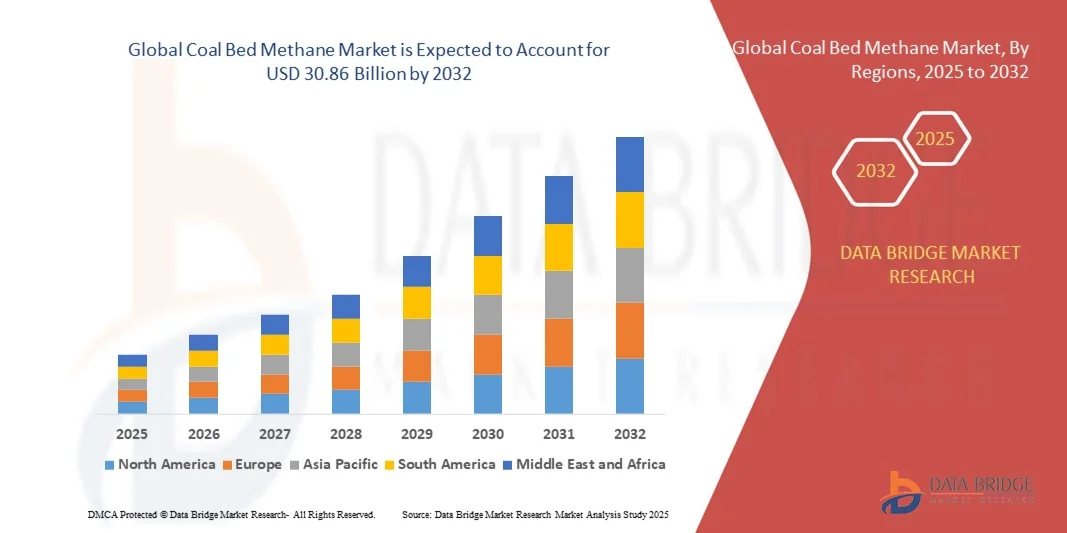
According to the latest report published by Data Bridge Market Research, the Coal Bed Methane Market CAGR Value The global coal bed methane market size was valued at USD 20.94 billion in 2024 and is expected to reach USD 30.86 billion by 2032, at a CAGR of 4.97% during the forecast period The winning Coal Bed Methane Market document puts light on many aspects...
The Air Traffic Flow and Capacity Management helps aviation systems respond to fluctuations in traffic volume, weather, and operational conditions. Dynamic traffic management allows aircraft flows to be adjusted according to available capacity and changing requirements. The Air Traffic Flow and Capacity Management Market is witnessing significant expansion as the aviation industry focuses on...
Laparoscopic devices are essential instruments used in minimally invasive surgeries (MIS), allowing surgeons to perform complex procedures through small incisions with the help of a laparoscope and supporting tools. These devices offer significant benefits including reduced postoperative pain, shorter hospital stays, faster recovery, and lower risk of infection compared to traditional open...
