


Whey Protein Ingredients Market Advances With Modern Food Processing
The Whey Protein Ingredients Market is evolving alongside developments in dairy processing and food manufacturing. Whey, traditionally obtained during cheese production, can be processed into ingredients with different protein concentrations and functional properties. Advances in filtration, separation, and drying technologies allow manufacturers to develop ingredients suited to a broad range of nutritional and food applications. These capabilities are helping suppliers respond to changing formulation requirements across the food and beverage industry.
Growing interest in dairy protein processing technologies reflects the importance of improving ingredient functionality, consistency, and production efficiency. Manufacturers seek whey protein ingredients that meet specific requirements for solubility, taste, composition, and stability. Processing choices influence these characteristics, making technological expertise an important source of differentiation for ingredient suppliers serving specialized food applications.
Understanding Whey Protein Processing
Whey is separated from the curds during cheese production and subsequently processed for food use. Depending on the intended application, manufacturers may employ filtration, concentration, drying, and other processing techniques to create different ingredient grades.
Whey protein concentrate retains varying amounts of protein, lactose, minerals, and other components. Whey protein isolate generally undergoes additional separation to produce a higher protein concentration. Hydrolyzed whey protein is treated with enzymes to break proteins into smaller peptide fragments.
Each ingredient type offers distinct formulation possibilities. Selection depends on the nutritional profile required, the processing conditions involved, and the characteristics expected in the final product.
Technology and Product Quality
Modern processing technologies help manufacturers control ingredient composition and functional performance. Membrane filtration can separate components according to their characteristics, while drying converts concentrated liquid ingredients into powders suitable for storage and distribution.
However, processing must be carefully controlled. Temperature, acidity, concentration, and other manufacturing conditions can affect protein behavior. Poorly managed conditions may influence solubility, flavor, and texture, potentially reducing the suitability of an ingredient for its intended use.
Quality assurance is therefore essential. Manufacturers monitor ingredient specifications, microbiological quality, moisture, and other relevant parameters to support consistent production and regulatory compliance.
Sustainability and Resource Utilization
Recovering useful ingredients from whey supports the productive use of a material generated by dairy manufacturing. Processing whey into food ingredients can help improve resource utilization when operations are designed efficiently.
Nevertheless, sustainability performance depends on several factors, including energy consumption, water use, wastewater management, transportation, and processing efficiency. Companies increasingly have reasons to evaluate these considerations alongside product quality and operating costs.
Improved resource management can support operational resilience while helping dairy processors respond to expectations regarding responsible manufacturing.
Future Industry Development
Future developments may include more efficient separation methods, improved drying processes, and specialized ingredients tailored to beverage, bakery, and nutrition applications. Collaboration between processors, ingredient suppliers, and food manufacturers can help translate technological improvements into practical products.
Challenges remain, particularly around equipment investment, energy requirements, raw whey availability, and the need to maintain consistent specifications. Companies must also ensure that production methods meet applicable food safety and labeling standards.
The ability to combine technological expertise with dependable supply and customer-focused application support will remain important in the Whey Protein Ingredients Market.
FAQs
Q1. How are whey protein ingredients produced?
Whey is collected during cheese production and processed using techniques such as filtration, concentration, and drying.
Q2. What is the difference between concentrate and isolate?
Whey protein isolate generally has a higher protein concentration than whey protein concentrate because additional processing removes more non-protein components.
Q3. How can processing innovation benefit manufacturers?
It can improve ingredient consistency, support specialized applications, optimize resource utilization, and help manufacturers meet product specifications.
Categories
- Artificial Intelligence (AI)
- Technology
- Business
- Education
- Science
- Lifestyle
- Healthcare
- Entertainment
- Politics
- Environment
- Travel
- Finance
- Automobile
- News
- Art
- Causes
- Crafts
- career
- Dance
- Drinks
- Film
- Fitness
- Food
- Games
- Gardening
- Health
- Home
- Literature
- Music
- Networking
- Other
- Party
- Religion
- Shopping
- Sports
- Theater
- Wellness
Read More
Picking the best slot machines isn’t about chasing the loudest cabinet or the flashiest bonus screen. Most casual players want something simpler, really: games that keep the spins moving, show the paytable plainly, and don’t chew through a balance before you’ve had time to enjoy yourself. A handy place to compare styles and themes is nolimitcoins casino, especially if...

Portable Humidifiers Market Summary According to Market Research Future®, Portable Humidifiers Market Size is expected to register a CAGR of 7.67% from 2025 to 2035. Market growth is being supported by evolving industry requirements, technological advancements, expanding application areas, and increasing investment activity across global markets. Portable...

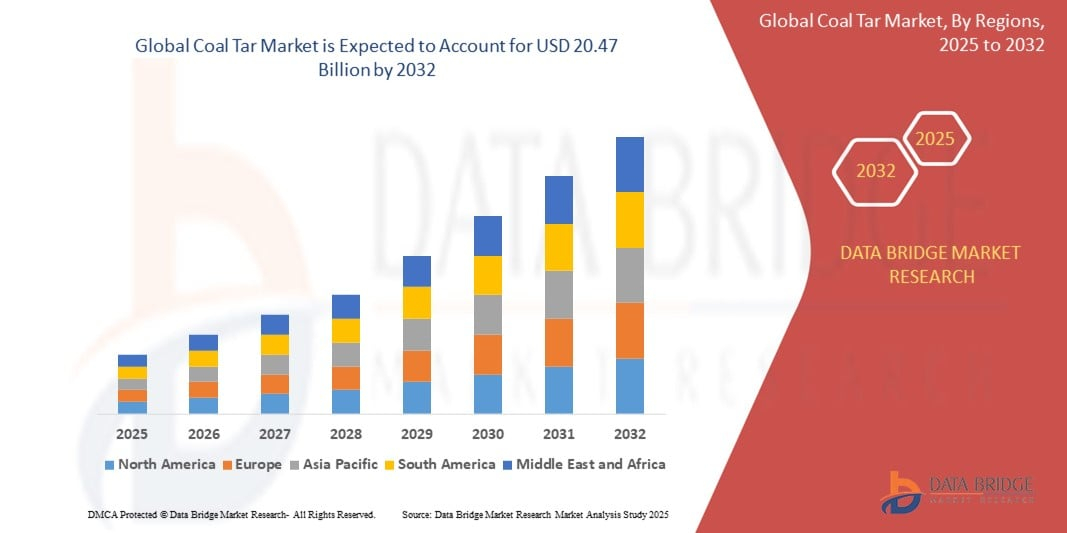
According to the latest report published by Data Bridge Market Research, the Coal Tar Market The global coal tar market size was valued at USD 16.54 billion in 2024 and is expected to reach USD 20.47 billion by 2032, at a CAGR of 2.70% during the forecast period. With the clear understanding of customer requirement, one method or combination of many...
The Data Center Wire Cable Market Share distribution reveals a dynamic competitive landscape where established cabling manufacturers and innovative technology providers compete for dominance across cable types, applications, and end-use segments. Data Center Wire and Cable Market Size was estimated at 17.99 USD Billion in 2024. The Data Center Wire and Cable industry is projected to grow...

The global Electric Vehicle Heating System Market is witnessing remarkable growth as electric vehicle (EV) adoption accelerates worldwide. Unlike conventional vehicles that utilize waste engine heat, electric vehicles require dedicated heating systems to maintain cabin comfort, battery performance, and operational efficiency. As EV manufacturers focus on improving driving range,...
