

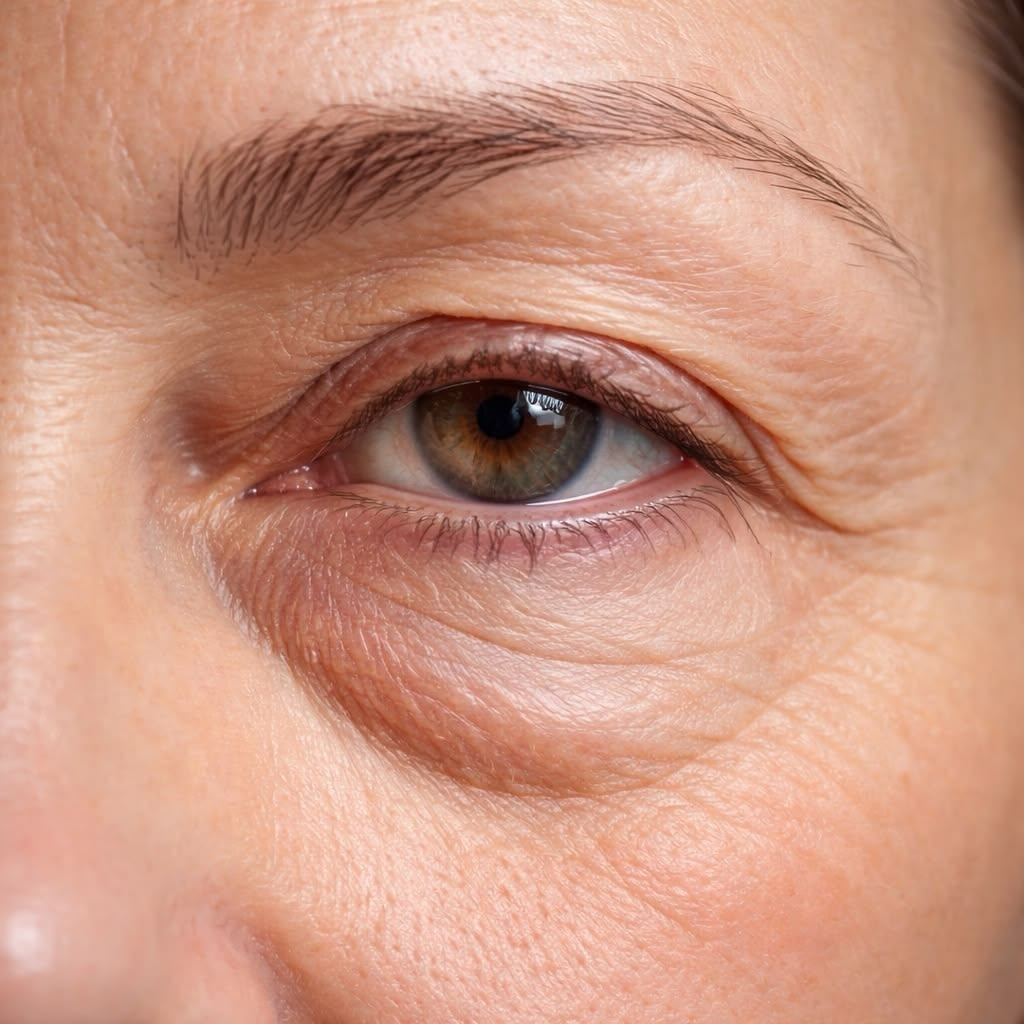

Under-eye bags are a common concern that can make the face appear tired or older than it feels. They may develop because of aging, genetics, fluid retention, or changes in the tissues surrounding the eyes. Although these changes are usually harmless, some people seek treatment to achieve a smoother and more refreshed appearance.
Modern eye bag removal procedures offer different approaches depending on the cause of the puffiness, the condition of the skin, and the patient's expectations. Some individuals may benefit from non-surgical treatments, while others with prominent fat deposits or excess skin may require surgery.
Understanding the process of Eye Bag Removal in Islamabad can help patients prepare for a consultation, compare suitable options, and make informed decisions about their treatment.
What Is the Eye Bag Removal Procedure?
Eye bag removal refers to treatments designed to reduce the appearance of puffiness beneath the eyes. The appropriate procedure depends on whether the concern results from protruding fat, loose skin, fluid retention, or under-eye hollowness.
One established surgical option is lower eyelid blepharoplasty. During this procedure, a qualified surgeon may remove or reposition excess fat and, when necessary, address loose skin. The goal is to improve the lower eyelid contour while preserving a natural appearance.
Non-surgical approaches may be considered when the concern is mild or related to skin texture, temporary swelling, or volume changes. These approaches may include selected skincare treatments or professionally administered procedures. However, they cannot consistently correct prominent fat pads or significant excess skin.
A professional assessment helps determine which treatment is appropriate rather than relying on a one-size-fits-all approach.
Step-by-Step: How Surgical Eye Bag Removal Works
Understanding the general stages of surgery can help reduce uncertainty before treatment.
1. Initial Consultation
The process begins with a consultation. The surgeon examines the lower eyelids, evaluates skin elasticity, and discusses the patient's concerns and desired results. Medical history, medications, allergies, eye health, and previous procedures may also be reviewed.
The surgeon explains the expected benefits, limitations, possible complications, and available alternatives. This is an opportunity to ask questions about recovery time, costs, and follow-up appointments.
2. Preparing for the Procedure
If surgery is suitable, the patient receives personalized preparation instructions. These may include guidance about certain medications, smoking, and eating or drinking before anesthesia, depending on the planned procedure.
Patients should disclose all medications and supplements they use and arrange transportation home if sedation or anesthesia will be involved. Preparation requirements vary, so the surgeon's instructions should take priority.
3. Performing the Treatment
Lower eyelid surgery is performed using an appropriate form of anesthesia, depending on the patient's needs and the surgical plan.
In some cases, the surgeon makes an incision inside the lower eyelid to reposition or remove fat. In other cases, an incision just below the eyelashes may be used when excess skin also needs to be addressed. The approach depends on individual anatomy and treatment goals.
The procedure is carefully planned to improve the under-eye contour without creating an overly hollow or unnatural appearance.
4. Immediate Post-Treatment Care
After surgery, patients are monitored as they recover from anesthesia. Swelling, bruising, mild discomfort, and temporary tightness may occur. The healthcare team provides instructions for managing these effects and explains when follow-up appointments are needed.
Benefits of Modern Eye Bag Removal
For suitable candidates, eye bag removal may provide several aesthetic benefits. Reducing prominent puffiness can create a smoother transition between the lower eyelids and cheeks. Addressing excess skin may also improve the appearance of the lower eyelid area.
Potential benefits include:
-
A less puffy-looking under-eye area.
-
Smoother lower eyelid contours.
-
A more rested and refreshed facial appearance.
-
Treatment tailored to individual anatomy and concerns.
Results vary between patients. The procedure does not stop aging, eliminate every wrinkle, or guarantee complete symmetry. A qualified surgeon should explain what is realistically achievable.
Who May Be a Suitable Candidate?
People with persistent under-eye bags, prominent lower eyelid fat, or loose skin may be candidates for surgical assessment. Individuals with mild concerns may be better suited to non-surgical care or lifestyle adjustments, depending on the cause.
Good candidates should have realistic expectations and be able to follow the recommended recovery plan. Existing eye conditions, dry eyes, certain medical problems, and medications may affect suitability and should be discussed before treatment.
A consultation is essential to establish whether the potential benefits outweigh the risks for each patient.
Recovery and Aftercare
Recovery depends on the technique used and the individual's healing process. Following surgery, swelling and bruising are common and generally improve gradually over the following days and weeks. Complete healing can take longer.
Patients should follow their surgeon's instructions carefully. These may include using recommended cold compresses, keeping the head elevated, taking prescribed medication, avoiding strenuous activities for a specified period, and attending follow-up visits.
Avoid rubbing the eyes or applying unapproved products near the treatment area. Contact your healthcare provider if symptoms worsen instead of improving. Sudden vision changes, severe pain, or rapidly increasing swelling require urgent medical assessment.
Choosing Eye Bag Removal in Islamabad
When considering Eye Bag Removal in Islamabad, prioritize a qualified medical professional with appropriate training and experience in eyelid procedures. Ask about their credentials, the proposed technique, possible complications, recovery expectations, and arrangements for follow-up care.
You should also understand the total treatment cost and whether additional appointments or medications are included. A trustworthy provider will discuss both the advantages and limitations of treatment rather than promise perfect results.
Conclusion
Modern eye bag removal procedures can help suitable patients improve persistent under-eye puffiness and achieve a refreshed appearance. The process may involve surgery or non-surgical care, depending on the underlying concern. A thorough consultation, realistic expectations, and careful aftercare are important for making a safe and informed choice.
Frequently Asked Questions
1. How long does the eye bag removal procedure take?
The duration depends on the technique, the complexity of the treatment, and whether additional eyelid concerns are being addressed. Your surgeon can provide an estimate during the consultation.
2. Is recovery from eye bag removal difficult?
Most patients experience some swelling and bruising after surgery. These effects generally improve gradually, but recovery times differ. Following the surgeon's instructions helps support healing.
3. Can eye bag removal permanently eliminate under-eye bags?
Surgical treatment may provide long-lasting improvement, but natural aging continues and changes can develop over time. Non-surgical treatments may offer more limited or temporary results.
4. Where can I learn more about Eye Bag Removal in Islamabad?
Arrange a consultation with a qualified provider who has experience with under-eye treatments. Discuss your concerns, treatment options, risks, expected results, and aftercare before deciding whether a procedure is right for you.
For more information visit
Enfield royal clinic in islamabad

