


Bulk Tennis Balls: A Practical Guide for Tennis Players, Coaches and Clubs
Having enough tennis balls makes practice easier to organise, whether you train at home, coach a group, or manage a tennis club. Buying bulk tennis balls can be a practical choice for players and organisations that use balls regularly and want to keep their training sessions running smoothly.
From daily hitting drills to junior coaching and group lessons, the right tennis balls can help you practise consistently. Before buying a large quantity, it is worth considering ball type, durability, intended use, and compatibility with your training equipment.
Why Buy Bulk Tennis Balls?
Tennis balls are used frequently during practice, and individual packs may not always be convenient for players who train several times a week. Buying in larger quantities can help coaches, schools, clubs, and regular players keep a reliable supply available.
Here are some reasons to consider buying in bulk:
- Convenient for regular practice: Keep enough balls ready for training sessions.
- Useful for group coaching: Provide balls for several players during drills.
- Less frequent reordering: Reduce the need to purchase small packs repeatedly.
- Suitable for different activities: Use appropriate balls for individual practice, coaching, and selected training drills.
- Easier session planning: Organise ball baskets or storage containers before practice begins.
Compare the total price, quantity, and expected usage rather than choosing a pack based on size alone. The best purchase is one that meets your needs without leaving you with more balls than you can use.
What Type of Tennis Balls Should You Choose?
Not all tennis balls are designed for the same purpose. Your choice should depend on the players using them, the type of practice, and the surface where they will be played.
Standard Tennis Balls
Standard tennis balls are suitable for regular hitting practice and match preparation. They help players practise with the familiar bounce and feel they experience during normal tennis sessions.
Check the manufacturer's recommendations for the intended court surface and playing conditions.
Pressureless Tennis Balls
Pressureless balls are often chosen for repeated practice because they do not depend on internal air pressure in the same way as pressurised balls. They can be useful for frequent hitting sessions, although their feel and bounce may differ from those of new pressurised balls.
Junior Training Balls
Younger players may benefit from lower-compression balls designed to move more slowly and make learning easier. Choose a ball that suits the child's age, ability, and stage of development.
Selecting the right type helps make practice more suitable for the player rather than simply increasing the number of balls available.
Bulk Tennis Balls for Coaches, Schools and Clubs
Coaches and sports programmes often need a steady supply of balls for warm-ups, feeding drills, serving practice, and group activities. Buying in bulk can make preparation simpler, especially when several players share equipment.
Schools may use different types of balls depending on students' ages and lesson objectives. Tennis clubs may need standard balls for adult practice alongside lower-compression options for junior sessions.
Before ordering, consider how many balls you use each week, where they will be stored, and how often they need replacing. A suitable storage basket or container can help keep the practice area organised and make it easier to collect balls after each session.
Using Bulk Tennis Balls with Training Equipment
Tennis balls are an important part of many training setups, but not every ball is suitable for every device. If you use a fast track tennis machine, check the manufacturer's instructions to confirm which balls are compatible with its feeding and feedback features.
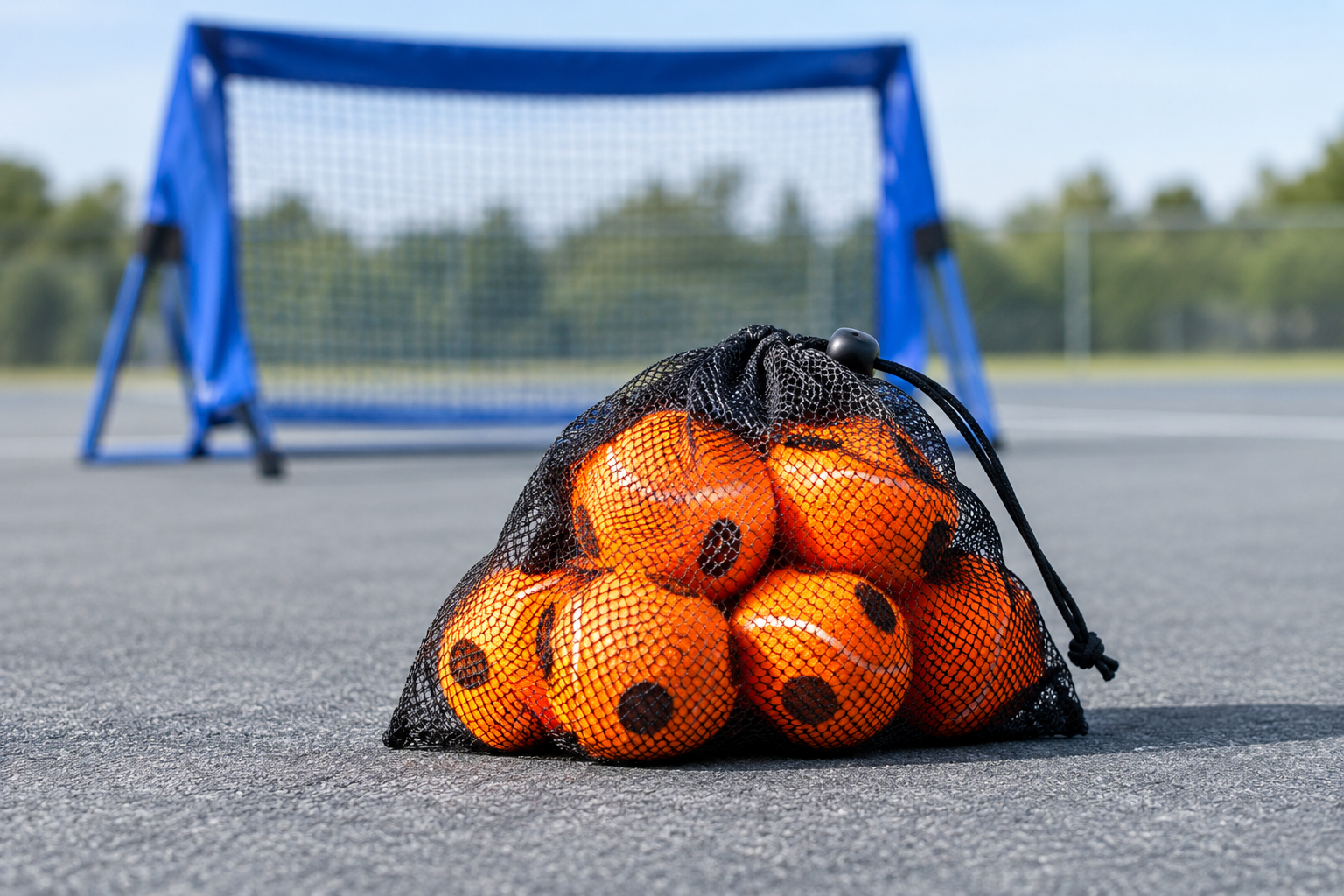
Some systems work with standard tennis balls, while smartphone tracking features may require specially marked balls. Using the recommended type can help the equipment operate as intended.
A tennis rebounder net is another option for solo practice. It allows players to repeat selected shots without relying on a partner to return every ball. Make sure the balls you choose suit the rebounder's intended use and the available practice area.
When comparing products, consider the ball's bounce, durability, visibility, and intended purpose alongside the equipment itself.
Choosing a Tennis Training System for Home Practice
A tennis training system can help players organise practice around specific goals, such as improving timing, building consistency, or working on racket preparation. Some systems use a feeder, while others rely on a rebound net or simple training targets.
If you practise at home, measure the available space before purchasing equipment. You should have enough room to swing, move, and control the ball safely.
A smart tennis training aid may also offer digital feedback or tracking features. Check which accessories are included, whether a compatible smartphone is required, and whether special balls are needed for its functions.
The right setup depends on your training habits. A coach running group drills may need a large supply of standard balls, while a player practising alone may prefer a smaller supply of durable balls suited to a specific training device.
How to Store Tennis Balls and Make Them Last
Proper storage helps keep your equipment organised and ready for use. Keep tennis balls in a clean, dry place away from excessive heat, moisture, and direct sunlight.
For larger quantities, divide balls into smaller containers or baskets so they are easier to carry to the court. Inspect them regularly and replace balls that are damaged, excessively worn, or no longer suitable for the intended drill.
Remember that ball durability varies according to construction, playing surface, weather, and frequency of use. Even pressureless balls need checking over time.
Find the Right Tennis Balls for Your Needs
Whether you are stocking up for personal practice, coaching lessons, or a club programme, start by deciding how many balls you need and which type suits your activities. Compare pack quantities, product specifications, and compatibility with your equipment before placing an order.
Tennis Assist offers tennis products for players looking to support their practice routines. Reviewing the available options can help you choose suitable balls and training accessories for your needs.
For More Visit: https://shop.tennisassist.com.au/
Frequently Asked Questions
Who should buy bulk tennis balls?
Bulk packs can be useful for tennis coaches, schools, clubs, sports programmes, and regular players who use many balls during practice.
Are pressureless tennis balls good for training?
They can be suitable for repeated practice and may last longer than pressurised balls, but their bounce and feel can differ. Choose according to your training needs.
Can I use standard tennis balls in a fast track tennis machine?
The product information indicates that the Fast Track Tennis Feedback System can also work with standard tennis balls. However, its smartphone tracking features use specially marked balls, so check the current instructions for the function you intend to use.
How should I store tennis balls bought in bulk?
Keep them in a clean, dry storage area away from excessive heat and moisture. Use baskets or containers to make larger quantities easier to organise.
What should I check before buying bulk tennis balls?
Compare the quantity, ball type, durability, intended use, total cost, and compatibility with your training equipment. These details help you choose a pack that suits your needs.

