Clean Steam, Hot Water: How the Industrial Gas Boiler Market Powers Factories
Factories need heat. Not just space heating, but process heat: steam for sterilizing, hot water for washing, thermal fluid for drying. The industrial gas boiler market supplies the boilers that generate this heat, often at large scales.
Process Heat Applications
Industrial gas boilers are used across sectors: (1) Food and beverage – pasteurization, cooking, drying, cleaning, (2) Chemical and petrochemical – reactors, distillation, (3) Pulp and paper – drying rolls, digesters, (4) Textiles – dyeing, finishing, (5) Pharmaceuticals – sterilization, (6) Laundries – washing, pressing. The commercial gas boiler market serves smaller industrial users (e.g., dry cleaners, car washes). The heat can be delivered as steam, hot water, or thermal oil (for high temperatures at low pressure).
Fire-Tube vs. Water-Tube Boilers
Fire-tube boilers have hot flue gases passing through tubes surrounded by water. They are simple, reliable, and have large water volume (good for fluctuating loads). The industrial gas boiler market uses fire-tube boilers for moderate pressures (up to 25 bar) and capacities (up to 20 MW). Water-tube boilers have water in tubes surrounded by hot gases. They are more efficient, can achieve very high pressures (over 100 bar) and large capacities, but are more complex. Water-tube boilers are used for power generation and large industrial plants.
The Steam System: A Closed Loop
A steam boiler produces steam, which travels through pipes to process equipment. The steam condenses (giving up heat), and the condensate returns to the boiler via a condensate return system. The natural gas boiler market supplies the complete system: boiler, steam traps, condensate pumps, and water treatment. A well-designed steam system can be efficient. Steam leaks (visible as white vapor) are a significant energy loss. Regular maintenance (steam trap testing) is essential.
Thermal Fluid (Hot Oil) Boilers
For processes that require high temperatures (over 250°C) at low pressure, thermal fluid (hot oil) boilers are used. The gas heating boiler market offers thermal fluid heaters (also called thermal oil heaters). The fluid (a synthetic oil) circulates through the heater and to the process equipment. No condensation, no corrosion, no freezing. Thermal fluid systems are used in asphalt plants, chemical reactors, and wood drying. The fluid must be replaced periodically (degrades). The heater is typically a coil type.
Boiler Efficiency for Industrial Users
Industrial gas boilers typically operate at high loads (60-100% of capacity). The gas fired boiler market measures efficiency as: (1) Thermal efficiency (stack losses), (2) Combustion efficiency (fuel burned), (3) Boiler efficiency (steam output / fuel input). Condensing boilers are less common in industrial applications because the return water temperature is often too high (over 60°C) for condensation. However, economizers (heat exchangers on the stack) can be added to preheat feedwater, improving efficiency. Blowdown heat recovery also saves energy.
Boiler Modulation and Turndown
Industrial processes have variable steam demand. The industrial gas boiler market supplies boilers with turndown ratios (ratio of maximum to minimum firing rate). A high turndown (e.g., 10:1) allows the boiler to operate efficiently at low loads. Multiple boilers in parallel provide even better turndown: as demand drops, boilers are shut down sequentially. The control system (boiler master) automatically manages the firing rate and number of online boilers. Burner modulation (either mechanical or electronic) is standard.
Water Treatment for Boilers
Water quality is critical for boiler life. Impurities (calcium, magnesium, silica) cause scale (insulates heat transfer, leading to tube failure). The natural gas boiler market includes water treatment: (1) Softening (removes calcium, magnesium), (2) Dealkalization (reduces alkalinity), (3) Reverse osmosis (removes total dissolved solids), (4) Boiler blowdown (removes concentrated solids). Chemical treatment (oxygen scavengers, anti-scalants) is also used. A water treatment program is essential; neglect leads to boiler failure.
The Steam Distribution System
Steam leaves the boiler at high pressure. Pressure reducing valves (PRVs) lower the pressure for specific processes. The commercial gas boiler market supplies steam traps (devices that remove condensate from steam lines without letting steam escape). Failed steam traps (stuck open or closed) waste energy. Condensate return systems reduce water and chemical treatment costs (condensate is pure). Insulation of steam pipes is essential (uninsulated pipes can lose significant heat). The system must be designed for good water drainage.
Low-NOx Burners for Emissions Compliance
Industrial gas boilers must comply with emissions regulations (NOx, CO). The gas fired boiler market offers low-NOx burners (with flue gas recirculation or staged combustion). Some jurisdictions (e.g., California, Germany) have very strict NOx limits. Selective catalytic reduction (SCR) can be added, but is expensive. For natural gas, combustion is inherently low in SOx and particulates. The trend is toward ever-lower NOx limits. New boilers must be certified.
Modular Boilers for Scalability
Instead of one large boiler, some industrial plants use multiple smaller boilers (modular). The industrial gas boiler market sees modular as providing: (1) Redundancy (if one boiler fails, others continue), (2) Better turndown (can shut off modules), (3) Easier maintenance (can take one boiler offline), (4) Lower replacement cost (can add modules as load grows). Modular boilers are often installed in a row, with common headers. Controls automatically sequence the modules. This approach is common in hospitals and district heating.
The Role of Combined Heat and Power (CHP)
Industrial gas boilers can be part of a CHP system: a gas engine or turbine generates electricity, and the waste heat is recovered in a boiler (or heat recovery steam generator, HRSG). The steam gas boiler market supplies HRSGs for CHP. The overall efficiency can be very high. CHP is economic where both power and heat are used. Many industrial plants (especially chemicals, paper) have CHP. The boiler in a CHP system may not have its own burner (it is heated by the engine/turbine exhaust).
The Future: Hydrogen-Ready Industrial Boilers
As industries decarbonize, existing natural gas boilers may need to burn hydrogen (or hydrogen blends). The natural gas boiler market is developing "hydrogen-ready" boilers that can operate on 100% H2. Hydrogen has a much higher flame speed and wider flammability range. Burner modifications are required. The boiler materials must be resistant to hydrogen embrittlement. Some manufacturers have demonstrated hydrogen boilers. The existing fleet can often handle blends of up to 20-30% H2 with minor changes. The industrial gas boiler market is essential for process heat. And the commercial gas boiler market continues to improve efficiency, reduce emissions, and adapt to new fuels, ensuring that industry has the reliable heat it needs.
Discover emerging opportunities with in-depth research reports:
open transition automatic transfer switch market
Categories
- Artificial Intelligence (AI)
- Technology
- Business
- Education
- Science
- Lifestyle
- Healthcare
- Entertainment
- Politics
- Environment
- Travel
- Finance
- Automobile
- News
- Art
- Causes
- Crafts
- career
- Dance
- Drinks
- Film
- Fitness
- Food
- Games
- Gardening
- Health
- Home
- Literature
- Music
- Networking
- Other
- Party
- Religion
- Shopping
- Sports
- Theater
- Wellness
Read More
The Medical Affairs and Consulting Services Market Industry is undergoing a significant transformation, driven by the integration of advanced technologies, a growing focus on patient-centric approaches, and the increasing complexity of regulatory compliance and strategic guidance needs. As of 2024, the market is valued at USD 7.5 billion and is projected to reach USD 12.0 billion by...

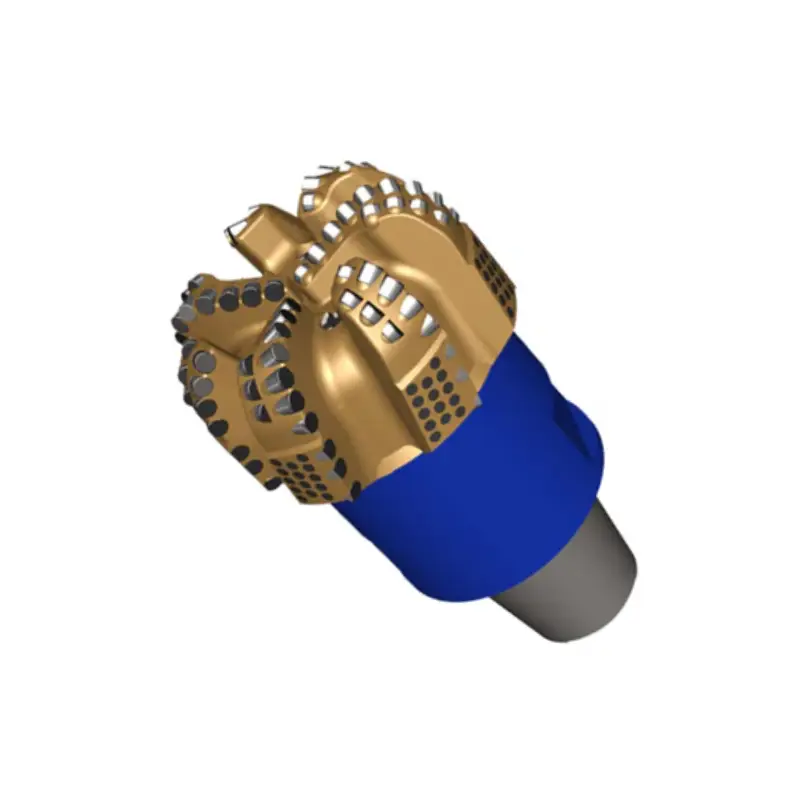
According to WantStats, the Geothermal Drill Bits Market is essential to unlocking the Earth's geothermal energy potential. Geothermal drill bits are specialised tools used to drill wells for geothermal power generation, district heating, and other applications. As the world seeks renewable energy sources, geothermal energy development accelerates, driving demand for advanced drill bits....
In today's fashion world, few clothing items have achieved the same level of popularity and influence as the Essentials Hoodie. Known for its clean design, premium comfort, and versatile styling options, this hoodie has become a must-have piece for streetwear enthusiasts and casual fashion lovers alike. Created under the Fear of God Essentials line, the Essentials Hoodie perfectly balances...

The Pharmaceutical Pouches Market is expected to experience consistent expansion over the coming years as pharmaceutical manufacturers adopt packaging solutions designed around safety, convenience, sustainability, and supply-chain requirements. The global market was valued at approximately USD 2.1 billion in 2024 and is forecast to reach around USD 3.5 billion by 2035. This represents an...

Rhinoplasty is a journey that extends far beyond the operating room. It begins with clarifying your goals, moves through careful planning, and continues with dedicated aftercare that protects your results. Rhinoplasty in Riyadh Understanding each phase helps you approach surgery with confidence and realistic expectations. Why Goals Come First Your surgeon cannot design an appropriate plan...