

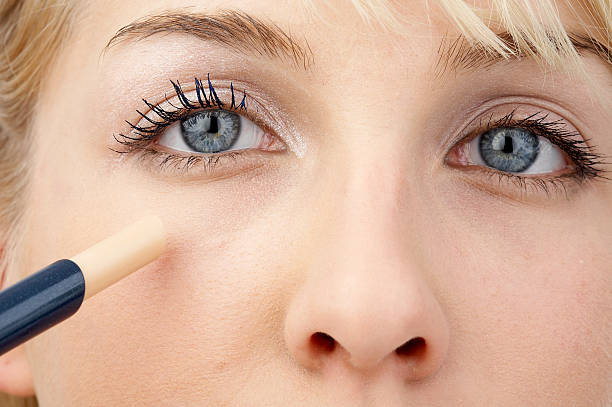

Sensitive skin requires extra care, especially around the eyes, where the skin is naturally thinner and more delicate than on many other parts of the face. Dark circles can develop because of pigmentation, visible blood vessels, allergies, dehydration, genetics, or age-related changes. Choosing the right approach means understanding what causes the discoloration while avoiding products and procedures that may irritate the skin. For individuals considering Dark Circles Treatment in Riyadh, selecting a suitable treatment based on skin sensitivity can help support a healthier-looking and brighter under-eye area.
People with sensitive skin may experience redness, itching, dryness, burning, or irritation when using certain skincare ingredients. Strong exfoliants, fragrances, and unsuitable cosmetic products can sometimes make the under-eye area more uncomfortable. Before starting Dark Circles Treatment in Riyadh, it is important to identify your skin's specific needs and determine whether the dark circles are related to pigmentation, irritation, puffiness, or facial structure. A personalized approach can help reduce unnecessary irritation while improving the appearance of the delicate eye area.
What Causes Dark Circles in Sensitive Skin?
Dark circles do not always result from the same underlying problem. Sensitive skin may be more prone to irritation, but sensitivity itself does not necessarily cause dark circles.
-
Skin irritation: Repeated exposure to unsuitable skincare products can cause inflammation and make discoloration more noticeable.
-
Allergies: Itchy eyes and nasal congestion may contribute to dark circles, often called allergic shiners.
-
Hyperpigmentation: Excess melanin can create brown or uneven discoloration beneath the eyes.
-
Visible blood vessels: Thin under-eye skin can allow underlying blood vessels to show through, creating a bluish or purplish appearance.
-
Dehydration and dryness: Dry skin can emphasize fine lines and make the under-eye area look dull.
-
Genetics and aging: Inherited pigmentation, reduced skin elasticity, and under-eye hollowing can contribute to persistent shadows.
Identifying the likely cause is essential because a treatment designed for pigmentation may not improve dark circles caused by visible blood vessels or hollowing.
Which Ingredients Should You Consider for Sensitive Under-Eye Skin?
Choosing gentle skincare products can help maintain the skin barrier and minimize irritation. Introduce new products gradually, and avoid applying active ingredients too close to the eyes.
Hyaluronic Acid
Hyaluronic acid helps attract moisture to the skin, temporarily improving the appearance of dryness and fine lines. Choose a gentle, fragrance-free formulation designed for the eye area.
Niacinamide
Niacinamide may support the skin barrier and help improve uneven skin tone. Sensitive skin may tolerate lower concentrations better, although individual reactions can vary.
Ceramides
Ceramides help support the skin's natural protective barrier and reduce moisture loss. Moisturizers containing ceramides may be helpful when dryness or irritation makes the under-eye area appear rough.
Vitamin C
Certain vitamin C formulations may help improve pigmentation and support a more even-looking complexion. However, some formulations can sting or irritate sensitive skin, so choose carefully and seek professional advice if you are prone to reactions.
Sunscreen
Sun exposure can worsen some forms of pigmentation. Use a broad-spectrum sunscreen suitable for sensitive skin, taking care to avoid direct contact with the eyes. Mineral sunscreens containing zinc oxide or titanium dioxide may be suitable for some people.
Which Treatments Are Suitable for Sensitive Skin?
The most appropriate option depends on the cause of the dark circles, the severity of skin sensitivity, and your medical history. A dermatologist can help you choose an approach that balances effectiveness with skin comfort.
What Should You Avoid When Treating Dark Circles?
Sensitive skin can react to products that are too harsh or unsuitable for the eye area. Avoiding common irritants is an important part of a successful skincare routine.
-
Fragranced products: Fragrances can trigger irritation in some individuals.
-
Harsh exfoliants: Excessive exfoliation may weaken the skin barrier and worsen discomfort.
-
Unverified home remedies: Lemon juice, baking soda, and similar substances may irritate delicate skin.
-
Excessive rubbing: Rubbing the eyes can increase inflammation and contribute to discoloration.
-
Too many active ingredients: Combining several new products at once makes it harder to identify the cause of a reaction.
Patch-test new skincare products according to their instructions, and stop using a product if it causes persistent burning, redness, swelling, or itching. Seek medical advice if symptoms continue.
When Should You Consider Professional Dark Circles Treatment in Riyadh?
If dark circles persist despite gentle skincare, a professional evaluation can help determine whether pigmentation, allergies, visible blood vessels, or under-eye hollowing is responsible. A dermatologist may recommend suitable topical products or discuss selected procedures based on your skin type and concerns.
Dark Circles Treatment in Riyadh should be personalized, particularly for people with sensitive skin. Before undergoing a procedure, discuss previous reactions, allergies, current skincare products, and any history of eczema or dermatitis with your provider. Ask about potential side effects, preparation, recovery, and whether a test area is appropriate.
How Can You Maintain Healthy Under-Eye Skin?
Consistency is more useful than using numerous products. Cleanse gently, moisturize regularly, wear sun protection, get sufficient sleep, and avoid rubbing your eyes. If allergies or an underlying skin condition contribute to discoloration, managing that problem may improve the appearance of the under-eye area.
Remember that some dark circles are genetic or related to facial anatomy, so skincare alone may not remove them completely. Setting realistic expectations and choosing gentle, evidence-based care can help protect sensitive skin while improving its overall appearance.
Book Your Consultation at Royal Clinic Saudia
If you have sensitive skin and are concerned about persistent under-eye discoloration, Royal Clinic Saudia can help you explore suitable options based on your individual needs. Book a consultation to discuss your skin sensitivity, identify possible causes, and learn about an appropriate approach to Dark Circles Treatment in Riyadh.
FAQs:
What is the safest dark circles treatment for sensitive skin?
The safest approach depends on the cause of the discoloration. Gentle moisturizers, sun protection, and suitable skincare may help, while persistent concerns may require a dermatologist's assessment.
Can sensitive skin make dark circles worse?
Sensitive skin does not always cause dark circles, but irritation, inflammation, allergies, and repeated rubbing can make discoloration more noticeable.
Is vitamin C suitable for sensitive skin around the eyes?
Some people tolerate gentle vitamin C formulations, while others experience stinging or irritation. Choose a product designed for the eye area and introduce it gradually.
Should I undergo laser treatment for dark circles if I have sensitive skin?
Laser treatment may be appropriate for certain causes of dark circles, but it is not suitable for everyone. A qualified dermatologist should assess your skin, identify the cause, and discuss potential risks before recommending a procedure.

