

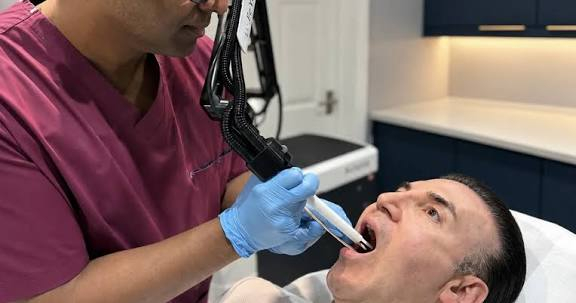

Snoring can affect sleep quality, daily energy, and the comfort of people sharing a bedroom. Although several treatments are available, their effectiveness depends on the cause of the sound and the structure of the airway. For people exploring Anti Snoring Laser in Dubai, information associated with Dynamic Clinic in Dubai may help explain the treatment approach, its limitations, and why individual results can differ.
What Determines Whether Laser Treatment Works?
Laser treatment for snoring is designed to address selected tissues in the soft palate, which can vibrate as air passes through the throat during sleep. Depending on the technology used, controlled laser energy may stimulate tissue changes that help improve firmness and reduce vibration.
However, snoring does not always originate from the same part of the airway. Some people experience vibrations mainly in the soft palate, while others have nasal obstruction, enlarged tonsils, tongue-related airway narrowing, or more complex breathing problems. Treatment is more likely to help when the underlying cause matches the area being treated.
Five Reasons Anti-Snoring Laser Treatment May Not Work
1. The Source of Snoring Is Different
One of the main reasons treatment may not produce the expected improvement is that the sound originates outside the soft palate. Nasal congestion, a deviated nasal septum, or enlarged tissues in other parts of the throat can restrict airflow and contribute to snoring.
When the main problem is unrelated to the tissue targeted by the laser, treating the soft palate alone may have limited effects. A clinical assessment helps identify the likely source before selecting a treatment.
2. Obstructive Sleep Apnea Is Present
Snoring can sometimes be a sign of obstructive sleep apnea (OSA), a condition in which the upper airway repeatedly narrows or closes during sleep. These interruptions may reduce oxygen levels and cause brief awakenings, even when the person does not remember waking up.
Laser treatment intended to reduce simple snoring should not be assumed to treat sleep apnea. People who experience loud habitual snoring, choking or gasping during sleep, witnessed breathing pauses, or excessive daytime sleepiness should seek medical evaluation. A sleep study may be recommended to determine whether OSA is present.
3. Airway Anatomy Affects the Outcome
Every person's airway has a different structure. The size and position of the tongue, soft palate, tonsils, and other tissues can influence airflow during sleep.
If several structures contribute to airway narrowing, a treatment aimed at one small area may not address the full problem. Individual anatomy also affects how tissues respond to treatment, which is why results cannot be predicted from another person's experience alone.
4. Lifestyle Factors Continue to Contribute
Certain habits and health factors can make snoring more noticeable, even after treatment. Alcohol consumption near bedtime may relax throat muscles, while smoking can irritate the airway. Nasal allergies and persistent congestion may also affect breathing during sleep.
Body weight can influence airway narrowing in some individuals, although snoring also occurs in people who are not overweight. Managing relevant contributing factors may improve sleep and support an appropriate treatment plan, but lifestyle changes cannot replace medical assessment when sleep apnea is suspected.
5. The Treatment Plan May Not Match Individual Needs
Laser treatments vary in their technology, energy settings, treatment schedule, and intended tissue effects. Some approaches require multiple sessions, and improvements may develop gradually rather than immediately.
If the treatment plan is not suitable for the person's anatomy or the severity of the snoring, the outcome may be limited. A qualified clinician should explain the expected benefits, possible risks, number of sessions, and available alternatives before treatment begins.
Can Results Differ From One Person to Another?
Yes. Results can vary because of differences in airway structure, tissue characteristics, snoring severity, and underlying health conditions. Some individuals may notice reduced snoring, while others experience only modest changes or no meaningful improvement.
Several factors can influence the outcome:
-
Cause of snoring: Palatal vibration may respond differently from nasal obstruction or tongue-related airway narrowing.
-
Severity of symptoms: Persistent, severe snoring may require a broader assessment.
-
Associated conditions: Sleep apnea and other breathing disorders may need specific treatment.
-
Treatment response: Tissue changes and symptom improvement vary between individuals.
-
Follow-up care: Reviewing symptoms helps determine whether further assessment or a different approach is needed.
How Can You Tell If Another Approach Is Needed?
Continued snoring after treatment does not automatically mean that every laser procedure is ineffective. It may indicate that the original cause was not fully identified, that additional contributing factors remain, or that another treatment would be more appropriate.
A healthcare professional may review the person's sleep history, nasal breathing, throat anatomy, medication use, and lifestyle factors. Depending on the findings, options may include treating nasal congestion, using an oral appliance, making relevant lifestyle changes, or investigating sleep apnea. Positive airway pressure therapy may be recommended for people diagnosed with OSA.
A sleep study is particularly important when there are signs of repeated breathing interruptions. Relying on the loudness of snoring alone cannot confirm whether the airway is functioning normally during sleep.
What Should You Ask Before Choosing Laser Treatment?
A useful consultation should cover more than whether the procedure is available. Consider asking:
-
What is the most likely cause of my snoring?
-
Is the soft palate the main area responsible?
-
Do my symptoms suggest possible sleep apnea?
-
What level of improvement is realistic for my condition?
-
How many sessions might be needed?
-
What risks, limitations, and alternative treatments should I understand?
-
How will treatment success be assessed?
These questions help establish clear expectations and support informed decisions based on clinical findings rather than general claims.
Conclusion
Anti-snoring laser treatment may not work for everyone because snoring has several possible causes, and not all of them involve the soft palate. Airway anatomy, obstructive sleep apnea, lifestyle factors, and individual tissue responses can all influence the results. Identifying the underlying cause is an important first step toward choosing an appropriate treatment. Persistent snoring, especially when accompanied by gasping, breathing pauses, or daytime sleepiness, warrants medical assessment rather than relying on a cosmetic or tissue-focused procedure alone.

