

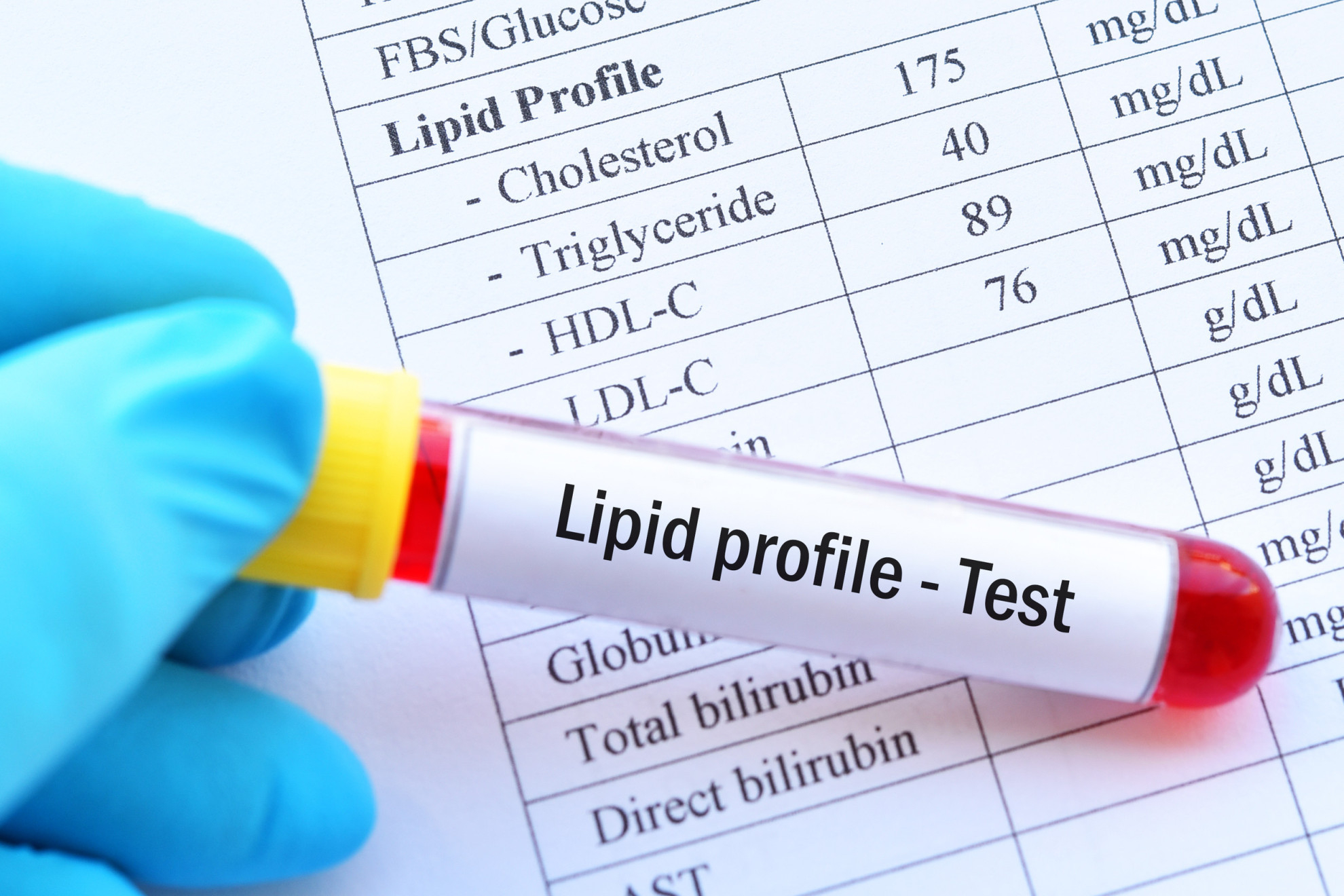

Understanding your lipid profile test results is an important step toward protecting your heart health. If you have recently received a cholesterol blood test report, you may have noticed terms such as HDL, LDL, total cholesterol, and triglycerides. Each measurement provides different information about the fats circulating in your bloodstream and can help your healthcare professional assess your risk of cardiovascular disease.
Some results may fall within the laboratory's reference range, while others may be marked as high or low. However, an abnormal cholesterol result does not automatically mean you have heart disease. Your age, medical history, blood pressure, family history, lifestyle, and other health conditions also influence how your results should be interpreted.
This guide explains what HDL, LDL, and triglycerides mean, how to understand common lipid profile ranges, why these measurements matter, and what you can do to support healthier cholesterol levels.
First, Understand What Your Lipid Profile Measures:
A Lipid Profile Test in Dubai, also called a lipid panel or cholesterol test, is a blood test that measures cholesterol and certain fats in your bloodstream. These substances help your body perform essential functions, but imbalances can increase the risk of cardiovascular problems.
A standard lipid profile usually includes four measurements:
-
Total cholesterol: The combined amount of cholesterol carried by different lipoproteins.
-
LDL cholesterol: Low-density lipoprotein cholesterol, often called bad cholesterol.
-
HDL cholesterol: High-density lipoprotein cholesterol, commonly called good cholesterol.
-
Triglycerides: A type of fat that your body stores and uses for energy.
Some laboratory reports also include non-HDL cholesterol or calculated LDL cholesterol. The exact components depend on the laboratory and testing method.
Doctors use these measurements to evaluate cardiovascular risk, investigate abnormal cholesterol levels, and monitor responses to lifestyle changes or cholesterol-lowering medication.
HDL, LDL, and Triglycerides: What Each Number Tells You
Rather than viewing your lipid profile as a collection of unrelated numbers, consider what each measurement reveals about your body's cholesterol and fat metabolism.
HDL Cholesterol: The Helpful Transport System
High-density lipoprotein cholesterol is commonly known as good cholesterol. HDL particles participate in transporting cholesterol away from tissues toward the liver, where it can be processed and removed.
For adults, HDL levels below 40 mg/dL in men and below 50 mg/dL in women are commonly considered low. A level of 60 mg/dL or higher is generally viewed as favorable.
Low HDL cholesterol can occur alongside high triglycerides, excess abdominal fat, insulin resistance, and other metabolic risk factors.
However, HDL should not be interpreted as a simple measure of protection. A high HDL level does not cancel out the risks associated with elevated LDL cholesterol. Treatment decisions focus on overall cardiovascular risk rather than trying to increase HDL alone.
LDL Cholesterol: A Key Factor in Artery Health
Low-density lipoprotein cholesterol is often called bad cholesterol because elevated levels contribute to the development of atherosclerosis. This condition occurs when cholesterol and other substances accumulate in artery walls, forming plaques that can restrict blood flow.
Common LDL cholesterol reference categories for adults are:
| LDL cholesterol (mg/dL) | General category |
|---|---|
| Below 100 | Optimal for many adults |
| 100–129 | Near optimal or above optimal |
| 130–159 | Borderline high |
| 160–189 | High |
| 190 or above | Very high |
These categories are general guides, not universal treatment targets. People with established cardiovascular disease or certain high-risk conditions may need substantially lower LDL levels.
Persistently high LDL cholesterol can increase the risk of heart attack and stroke over time, even when you feel healthy. For this reason, LDL is a major focus when doctors develop a cholesterol management plan.
Triglycerides: The Body's Stored Energy
Triglycerides are fats that circulate in your blood and provide energy between meals. After you eat, your body converts some excess energy into triglycerides for storage.
Fasting triglyceride levels in adults are commonly classified as follows:
-
Below 150 mg/dL: Normal
-
150–199 mg/dL: Borderline high
-
200–499 mg/dL: High
-
500 mg/dL or above: Very high
Elevated triglycerides may be associated with excess sugar intake, alcohol consumption, diabetes, insulin resistance, some medications, or inherited conditions.
Very high triglyceride levels require prompt medical attention because they can increase the risk of acute pancreatitis, an inflammation of the pancreas.
Triglyceride results can also be affected by recent meals, so your clinician may consider whether your blood sample was collected while fasting.
How to Read Your Lipid Profile Results Together?
A lipid profile is most informative when all its components are considered together. One number rarely tells the complete story.
For example, imagine a report showing the following values:
| Measurement | Example result | General interpretation |
|---|---|---|
| Total cholesterol | 225 mg/dL | Borderline high |
| LDL cholesterol | 145 mg/dL | Borderline high |
| HDL cholesterol | 42 mg/dL | Interpretation depends partly on sex and overall risk |
| Triglycerides | 190 mg/dL | Borderline high if fasting |
This pattern suggests that several lipid measurements may need attention. A healthcare professional would consider these results alongside factors such as blood pressure, diabetes, smoking, family history, and previous cholesterol tests.
Now consider someone whose total cholesterol is slightly elevated but whose HDL is also high. Their overall risk may differ from that of a person with the same total cholesterol but substantially higher LDL.
This is why you should not judge your heart health based on total cholesterol alone.
Total cholesterol below 200 mg/dL is generally desirable for many adults, but LDL, HDL, triglycerides, and non-HDL cholesterol provide additional information. Your laboratory's reference ranges and your clinician's assessment should guide the interpretation.
What Can Cause Unhealthy HDL, LDL, and Triglyceride Levels?
Several factors can influence your lipid profile, and more than one may contribute to an abnormal result.
Dietary choices: Foods high in saturated fat can raise LDL cholesterol in many people. Excess added sugars and refined carbohydrates may contribute to elevated triglycerides.
Physical inactivity: A sedentary lifestyle can contribute to an unfavorable lipid pattern and other cardiovascular risk factors.
Excess body weight: Excess abdominal fat is often associated with high triglycerides, low HDL cholesterol, and insulin resistance.
Smoking: Tobacco use increases cardiovascular risk and is associated with lower HDL cholesterol.
Genetic factors: Inherited conditions, including familial hypercholesterolemia, can cause very high LDL cholesterol even in people who maintain healthy habits.
Medical conditions: Diabetes, hypothyroidism, kidney disease, and certain other conditions can affect cholesterol and triglyceride levels.
Medications and alcohol: Some medicines can influence lipid measurements, while excess alcohol may significantly increase triglycerides in some individuals.
If your lipid profile is unexpectedly abnormal, your healthcare professional may review your medical history, medication list, family history, and possible underlying conditions.
How to Improve Your Cholesterol and Triglyceride Levels?
Managing your lipid profile is about reducing cardiovascular risk, not simply making every number fit a standard range. The right approach depends on your results and individual health needs.
Make Heart-Healthy Food Choices
Choose more vegetables, fruit, whole grains, beans, lentils, nuts, seeds, and sources of unsaturated fats such as olive oil and fish.
Replacing some saturated fats with unsaturated fats can help lower LDL cholesterol. Soluble fiber, found in foods such as oats, beans, and certain fruits, can also help reduce LDL levels.
If your triglycerides are high, limiting sugary drinks, excess refined carbohydrates, and alcohol may help improve your results.
Build Regular Physical Activity Into Your Routine
Many adults can aim for at least 150 minutes of moderate-intensity aerobic exercise each week, depending on their health and fitness level. Walking, cycling, and swimming are examples of activities that can support cardiovascular health.
Regular exercise may improve triglyceride levels and produce modest changes in HDL cholesterol.
Maintain a Healthy Weight and Avoid Tobacco
For people with excess weight, gradual weight loss may improve triglycerides and other metabolic risk factors. Quitting smoking can reduce cardiovascular risk and may also improve HDL cholesterol.
Follow Medical Advice About Treatment
Lifestyle changes are important, but some people need medication to manage LDL cholesterol effectively. Statins are commonly prescribed when appropriate, and other cholesterol-lowering treatments may be considered according to individual risk and response.
Do not stop prescribed medication or begin supplements to change your cholesterol levels without consulting your healthcare professional.
Do You Need to Fast Before a Lipid Profile Test?
Not necessarily. Nonfasting lipid profile testing is widely used for routine cardiovascular risk assessment.
Your doctor may request a fasting sample if your triglycerides are significantly elevated, if a specific result needs clarification, or if the laboratory has particular requirements.
When fasting is required, instructions often involve avoiding food and caloric drinks for approximately 8–12 hours, depending on the clinician's directions. Plain water is generally permitted.
Always follow the instructions provided by your healthcare professional or laboratory, and do not discontinue prescribed medication unless specifically advised.
When Should You Discuss Your Results With a Doctor?
Arrange a medical review if your LDL cholesterol remains elevated, your HDL is low alongside other risk factors, or your triglycerides are high.
An LDL result of 190 mg/dL or above generally warrants timely clinical assessment. Triglyceride levels of 500 mg/dL or above also require prompt medical attention because of the risk of pancreatitis.
Your doctor may recommend repeat testing, evaluation for underlying conditions, or additional tests such as apolipoprotein B or lipoprotein(a) when appropriate.
Remember that high cholesterol usually has no symptoms. A lipid profile helps identify risk before complications develop, but it cannot diagnose blocked arteries or heart disease on its own.
Seek emergency medical care if you experience symptoms such as chest pressure, sudden difficulty breathing, or signs of a stroke.
Frequently Asked Questions:
Which is more important, HDL or LDL cholesterol?
LDL cholesterol is a major treatment focus because elevated LDL contributes directly to plaque buildup in arteries. HDL also provides useful information, but a high HDL result does not eliminate the risks associated with elevated LDL.
Can HDL, LDL, and triglycerides improve naturally?
Healthy eating, regular exercise, weight management when appropriate, and avoiding tobacco can improve lipid levels. However, lifestyle changes may not be enough for everyone, particularly when genetic factors or existing cardiovascular disease are involved.
Can a normal lipid profile guarantee good heart health?
No. A favorable lipid profile is helpful, but it does not eliminate the effects of high blood pressure, diabetes, smoking, family history, and other cardiovascular risk factors.
How often should I repeat a lipid profile test?
Testing frequency depends on your age, medical history, cardiovascular risk, previous results, and treatment plan. Your healthcare professional can recommend the appropriate interval.
Conclusion:
Lipid profile Lab tests results provide valuable insight into the relationship between HDL cholesterol, LDL cholesterol, triglycerides, and cardiovascular health. LDL helps identify a major contributor to artery plaque, HDL provides additional information about cholesterol transport, and triglycerides offer insight into fat metabolism and related health risks.
The most useful interpretation considers the complete lipid panel alongside your medical history and other cardiovascular risk factors. By discussing your results with a healthcare professional, adopting sustainable lifestyle habits, and using medication when indicated, you can take practical steps toward protecting your heart health.

