

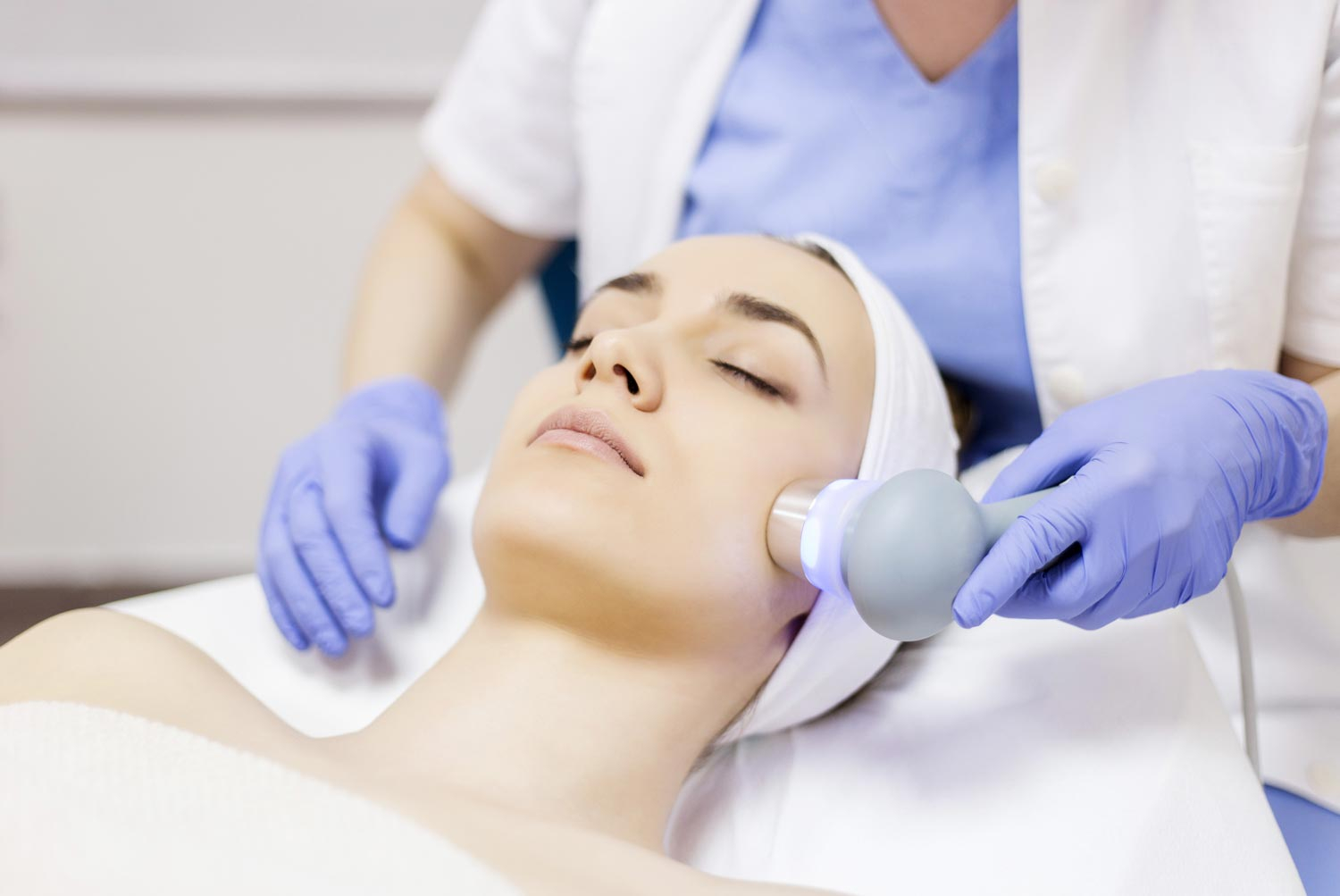

Skin care involves more than choosing a cleanser or moisturizer. Different skin types respond differently to products, environmental conditions, and cosmetic procedures. Acne, dryness, pigmentation, sensitivity, and early signs of aging can each require a different approach.
Skin care specialists help people understand their skin and build routines that support its health and appearance. Depending on their training and professional role, they may provide cosmetic treatments, recommend suitable products, or identify concerns that need medical evaluation.
Choosing the right professional can help people avoid unnecessary treatments and make better decisions about their skin care goals.
Who Are Skin Care Specialists?
Skin care specialists work with clients who want to improve skin appearance, maintain skin health, or address specific cosmetic concerns. Their qualifications and permitted services vary.
Licensed estheticians generally focus on cosmetic skin care, facials, and selected nonmedical procedures within their scope of practice. Dermatologists are physicians who diagnose and treat skin diseases. Other qualified medical professionals may provide selected cosmetic procedures according to their training and local regulations.
Clients should understand these differences before booking an appointment. A cosmetic provider should not claim to diagnose or treat medical conditions beyond their qualifications.
Why Professional Skin Care Advice Matters
Online advice and product advertising can make skin care confusing. One product may work well for one person but cause irritation in another. Some active ingredients also interact with each other or increase sensitivity.
A skin care specialist considers the client's skin type, current routine, concerns, and treatment goals. This helps the provider recommend a manageable plan rather than an unnecessarily complicated collection of products.
Professional guidance also helps clients recognize when a cosmetic concern may have a medical cause. Persistent acne, unusual moles, unexplained rashes, and sudden changes in pigmentation may need evaluation by a dermatologist.
Understanding Different Skin Types
Normal Skin
Normal skin generally has a balanced feel without persistent excess oil or dryness. People with this skin type still need cleansing, moisturizing, and sun protection.
A simple routine often works well. Too many active ingredients can cause irritation without adding meaningful benefits.
Dry Skin
Dry skin may feel tight, rough, or flaky. Environmental conditions, hot showers, harsh cleansers, and some skin conditions can contribute to dryness.
Moisturizers containing ingredients such as glycerin or ceramides may help support the skin barrier. Gentle cleansing and shorter showers can also reduce moisture loss.
Persistent cracking, redness, or itching may indicate a condition that requires medical attention.
Oily Skin
Oily skin produces more sebum, which can create shine and contribute to clogged pores in some people. Gentle cleansing and noncomedogenic moisturizers can help maintain balance.
Aggressive washing does not provide a reliable long term solution. Harsh products may damage the skin barrier and cause irritation.
A specialist may recommend ingredients such as salicylic acid when appropriate, while a dermatologist can assess persistent or severe acne.
Combination Skin
Combination skin often has an oily forehead, nose, and chin, with drier areas elsewhere. A single product may not suit every part of the face.
A balanced routine can use gentle cleansing and lightweight moisturizing products. People can adjust product texture according to the needs of different areas without using too many active ingredients.
Sensitive Skin
Sensitive skin may react with burning, stinging, redness, or itching. Fragrance, exfoliating acids, retinoids, and other ingredients can trigger reactions in some people.
A specialist may suggest a simplified routine and careful product introduction. A patch test can help identify some reactions, although it cannot rule out every allergy or irritation.
Severe or recurring reactions deserve medical assessment.
Services Offered by Skin Care Specialists
Skin Consultation
A consultation provides an opportunity to discuss skin concerns and review current products. The specialist may ask about allergies, previous treatments, sun exposure, and the duration of symptoms.
The provider should explain which concerns fall within their professional scope. If a skin condition requires medical diagnosis, the client should receive appropriate referral advice.
Customized Facials
Customized facials may combine cleansing, gentle exfoliation, moisturizing products, and selected masks. Providers adapt these steps to the client's skin condition and comfort.
Facials can improve temporary dryness and leave skin feeling smoother. They do not guarantee permanent changes or replace treatment for medical skin conditions.
People with active inflammation or damaged skin should ask whether a facial is appropriate before proceeding.
Acne Care
Advanced skin treatments may include gentle cleansing guidance and suitable noncomedogenic products. Some clinics also offer selected exfoliation treatments.
Persistent inflammatory acne, painful cysts, or acne that causes scarring often requires medical treatment. A dermatologist can discuss prescription options and help reduce the risk of permanent marks.
Clients should avoid picking or squeezing pimples because this can increase inflammation and scarring.
Pigmentation Support
Dark spots can develop after acne, sun exposure, hormonal changes, or other skin conditions. Treatment depends on the underlying cause and the person's skin tone.
A specialist may discuss sunscreen, selected topical ingredients, or suitable cosmetic procedures. A dermatologist should assess unexplained or changing spots before cosmetic treatment.
Sun protection remains an important part of pigmentation care because ultraviolet exposure can worsen many forms of discoloration.
Skin Hydration and Barrier Care
The skin barrier helps retain moisture and protect against irritants. Harsh cleansers, excessive exfoliation, and unsuitable products can weaken this barrier.
A skin care specialist may recommend a gentler routine with moisturizer and sunscreen. People often need fewer products, not more, when their skin becomes irritated.
Building an Effective Home Routine
A practical routine should fit the person's skin type, lifestyle, and budget. Most people can begin with a gentle cleanser, a suitable moisturizer, and broad spectrum sunscreen with SPF 30 or higher.
Additional ingredients should address a specific concern. For example, some people use salicylic acid for clogged pores or retinoids for acne and signs of aging. These ingredients may cause irritation, so gradual introduction and professional advice can help.
People should avoid starting several strong products at once. Introducing one product at a time makes it easier to identify the source of a reaction.
How to Choose a Skin Care Specialist
Clients should check the provider's credentials, experience, hygiene practices, and scope of services. They should ask who performs each procedure and whether medical supervision is available when necessary.
A professional should explain expected results, possible side effects, costs, and aftercare. Clients should also feel comfortable declining a procedure or asking for more information.
Before and after photographs can help illustrate possible outcomes, but lighting, angles, and editing can affect how photographs appear. Results from other clients do not guarantee the same outcome for everyone.
Maintaining Healthy Skin Over Time
Healthy skin care depends on consistency. Gentle cleansing, moisturizing, sunscreen, adequate sleep, and a balanced diet support general skin health.
People should also review their routines when seasons change or their skin begins to react differently. A product that worked previously may become irritating after a change in skin condition.
Persistent symptoms need proper evaluation rather than repeated experimentation with new products.
Conclusion
Skin care specialists in Kohinoor City can help clients understand their skin, select appropriate products, and explore cosmetic services based on their goals. Good care begins with a clear assessment and continues through simple home habits and realistic expectations.
London Aesthetics & Rejuvenation Centre in Kohinoor City, Faisalabad, and its surrounding areas, is a leading option for people seeking personalized skin care and aesthetic services. Contact the center to ask about available treatments, the qualifications of its specialists, and the consultation process before deciding which service suits your needs.
Frequently Asked Questions
1. What does a skin care specialist do?
A skin care specialist may provide cosmetic consultations, facials, product guidance, and selected skin treatments within their qualifications. Medical skin conditions may require a dermatologist.
2. How do I know which skin care products suit me?
Your skin type, concerns, allergies, and current routine help determine suitable products. Introduce new products gradually and seek professional advice if irritation continues.
3. Can skin care specialists treat acne?
They may provide cosmetic care and product guidance for selected concerns. Severe, painful, persistent, or scarring acne often requires medical evaluation and treatment.
4. How often should I get a facial?
The ideal schedule depends on your skin condition, the treatment, and your response. Some people benefit from occasional facials, while others may need to avoid certain procedures.
5. Are expensive skin care products always better?
No. Price does not guarantee better results. A suitable, well formulated product that addresses your skin's needs can be more useful than an expensive product with unnecessary ingredients.
6. When should I see a dermatologist instead?
Consult a dermatologist for changing moles, unusual growths, severe acne, persistent rashes, unexplained pigmentation, or symptoms that do not improve with basic skin care.

