

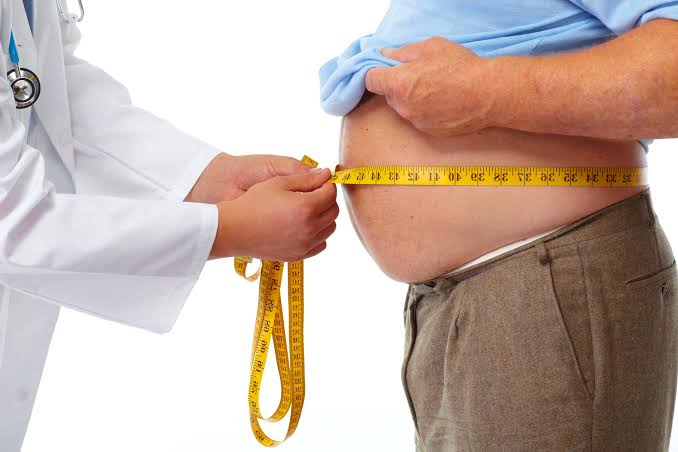

Gastric plication and gastric bypass are two surgical approaches designed to help people with obesity achieve significant weight loss, but they work in different ways. Gastric plication reduces the stomach's capacity by folding and stitching part of its wall inward, while gastric bypass creates a smaller stomach pouch and reroutes part of the small intestine. For eligible patients considering Gastric Plication in Dubai, understanding these differences is important when comparing weight-loss treatments. The right procedure depends on medical history, body mass index (BMI), existing health conditions, long-term goals, and the potential benefits and risks of each option.
How Gastric Plication Reduces Stomach Capacity
Gastric plication is a restrictive bariatric procedure in which the surgeon folds part of the stomach inward and secures the folds with sutures. This reduces the amount of food the stomach can comfortably hold, helping patients feel full after eating smaller portions. Unlike gastric bypass, gastric plication does not involve rerouting the small intestine or intentionally removing a section of the stomach. Its primary purpose is to support reduced food intake and weight loss. However, long-term evidence for this procedure is more limited than for established bariatric operations, so patients should discuss its expected results, limitations, and clinical suitability with an experienced bariatric specialist.
How Gastric Bypass Changes the Digestive System
Gastric bypass, commonly referring to Roux-en-Y gastric bypass, involves creating a small pouch from the upper portion of the stomach and connecting it to the small intestine. Food therefore bypasses a section of the stomach and the upper small intestine. This changes how much food a patient can eat and influences digestive hormones involved in hunger, fullness, and blood sugar regulation. The procedure can support substantial, long-lasting weight loss and may improve certain obesity-related conditions. However, it is more anatomically complex than gastric plication and requires lifelong attention to nutritional intake, vitamin and mineral supplementation, and medical follow-up.
Key Differences in the Surgical Techniques
The main difference between the two operations is what happens to the stomach and intestines. Gastric plication reduces stomach capacity by folding and stitching the stomach wall, while gastric bypass creates a smaller stomach pouch and changes the route food takes through the digestive system. Plication avoids intentionally removing stomach tissue or rerouting the intestines, but this does not make it risk-free or guarantee that the changes can be easily reversed. Gastric bypass involves additional surgical connections and has different potential complications. The choice between these procedures should be guided by clinical evidence, individual health needs, and an informed discussion with a qualified bariatric surgeon.
Comparing Weight-Loss Results
Both procedures are intended to help patients lose excess weight, but their expected outcomes are not necessarily the same. Gastric bypass has a longer track record and more extensive evidence supporting its effectiveness for sustained weight loss. Gastric plication has shown weight-loss benefits in some studies, but results vary, and long-term evidence is comparatively limited. Some patients may achieve meaningful progress after plication, while others may experience insufficient weight loss or regain weight over time. A surgeon should explain the outcomes reported in research and how those findings apply to the individual patient rather than promising a particular result. Weight management after either operation requires ongoing lifestyle changes and medical support.
Effects on Type 2 Diabetes and Other Health Conditions
Gastric bypass can have important metabolic effects in addition to reducing food intake. Changes in digestive hormones and nutrient flow can help improve blood glucose regulation, and some patients with type 2 diabetes experience substantial improvement after surgery. Gastric plication may also help improve certain metabolic health markers when it leads to sustained weight loss, but the evidence supporting its long-term metabolic effects is less extensive. Both procedures may contribute to improvements in conditions associated with obesity, such as high blood pressure and sleep apnea. However, outcomes differ between individuals, and neither operation guarantees that a medical condition will disappear. Patients should continue monitoring existing health problems with their healthcare team.
Differences in Surgical Risks and Complications
Gastric plication and gastric bypass each carry risks associated with surgery and anaesthesia. Possible complications of plication include bleeding, infection, nausea, vomiting, abdominal discomfort, problems associated with the sutures, and inadequate weight loss. Gastric bypass can also cause bleeding, infection, leaks, blood clots, bowel obstruction, ulcers, and dumping syndrome, in which eating may trigger uncomfortable symptoms such as cramping, diarrhoea, sweating, or dizziness. The specific risks depend on the procedure, the patient's health, and the surgical team's experience. Gastric bypass has a more established evidence base, while uncertainty about the long-term safety and effectiveness of plication should be discussed clearly before treatment.
Nutritional Requirements After Each Procedure
Nutritional care is essential after both operations, but gastric bypass generally creates a greater risk of vitamin and mineral deficiencies because it changes the pathway through which nutrients are absorbed. Patients commonly require lifelong supplementation and routine blood tests to monitor levels of nutrients such as iron, vitamin B12, calcium, and vitamin D. Gastric plication does not bypass the intestine, but patients can still develop nutritional deficiencies if their food intake becomes too limited or their diet is unbalanced. Both procedures require gradual dietary progression during recovery, adequate protein intake, hydration, and regular follow-up with a bariatric dietitian. Patients should follow a personalised supplement plan rather than choosing vitamins without medical advice.
Recovery and Long-Term Lifestyle Changes
Recovery time varies according to the procedure, individual health, surgical technique, and any complications that arise. After either operation, patients generally progress gradually from liquids to soft foods and then to a broader diet according to the surgeon's instructions. Eating slowly, chewing thoroughly, controlling portions, and recognising fullness are important habits for long-term success. Regular physical activity should be introduced gradually once the surgical team confirms it is safe. Gastric bypass patients may need additional precautions relating to nutrient absorption, food tolerance, and dumping syndrome. Gastric plication patients also require follow-up to monitor weight changes and symptoms. Neither procedure removes the need for lifelong attention to health and eating habits.
Which Procedure May Be More Suitable?
The best option depends on the patient's BMI, medical history, weight-related conditions, previous weight-loss attempts, and personal preferences. Gastric bypass may be considered for patients who need a well-established bariatric procedure, particularly when significant metabolic benefits are an important treatment goal. Gastric plication may appeal to some individuals because it does not intentionally remove stomach tissue or reroute the intestines, but its long-term evidence is less extensive and availability may vary. Patients should not choose plication solely because it appears less invasive or potentially reversible. A bariatric specialist should compare the benefits, risks, likely outcomes, and alternatives before recommending an individual treatment plan.
The Importance of Specialist Assessment
Before deciding between gastric plication and gastric bypass, patients should undergo a comprehensive medical assessment. This may include reviewing BMI, existing conditions, current medications, previous weight-management experiences, dietary habits, and surgical risks. The healthcare team may also assess whether the patient can follow postoperative instructions and attend long-term appointments. Patients should ask how frequently the surgeon performs the proposed operation, what results are realistically expected, and what further treatment might be needed if weight loss is insufficient. Understanding the available evidence is especially important when considering a procedure with less extensive long-term research. An informed decision should prioritise safety and lasting health benefits rather than rapid weight loss alone.
Conclusion
Gastric plication and gastric bypass both aim to support weight loss, but they differ in technique, effects on digestion, nutritional requirements, and the strength of evidence supporting their long-term outcomes. Gastric plication reduces stomach capacity by folding the stomach inward, whereas gastric bypass creates a smaller pouch and reroutes part of the small intestine. Gastric bypass has more established evidence for sustained weight loss and metabolic improvement, but it also carries important nutritional and surgical risks. Gastric plication may be suitable for selected patients, although its long-term results are less certain. Consulting a qualified bariatric specialist is essential to compare both procedures and choose an approach suited to individual health needs.
Frequently Asked Questions
Does Gastric Plication Remove Part of the Stomach?
No. Gastric plication folds part of the stomach wall inward and secures it with sutures rather than intentionally removing stomach tissue. However, this does not guarantee that the procedure can be easily reversed.
Is Gastric Bypass More Effective for Long-Term Weight Loss?
Gastric bypass has a more extensive evidence base and is generally associated with reliable, long-term weight loss. Results vary between patients, and the expected benefits and risks should be discussed with a bariatric specialist.
Which Procedure Has a Higher Risk of Nutritional Deficiencies?
Gastric bypass generally has a greater risk of vitamin and mineral deficiencies because it changes the route food takes through the intestine. Gastric plication patients still require balanced nutrition and follow-up to identify possible deficiencies.
Can Both Procedures Help Improve Type 2 Diabetes?
Both procedures may support improvements in blood glucose regulation when weight loss occurs. Gastric bypass has more established evidence for metabolic benefits, but individual outcomes vary, and continued diabetes monitoring is important.
How Can I Decide Between Gastric Plication and Gastric Bypass?
Discuss your BMI, medical history, weight-management goals, and existing health conditions with a qualified bariatric surgeon. Ask about long-term evidence, complications, nutritional requirements, recovery, and alternative treatments before making a decision.

