

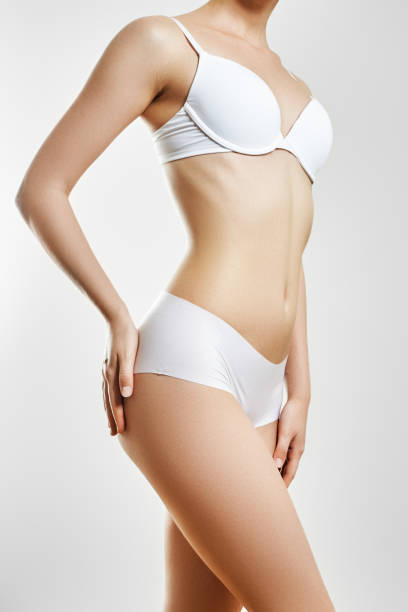
Loose skin around the upper arms can affect how the arms look and feel, particularly after significant weight changes or as the skin loses elasticity with age. J plasma for thighs and arms in Riyadh is a treatment option that may be considered by people looking to improve the appearance of skin laxity and achieve more refined body contours. The treatment uses radiofrequency energy combined with helium plasma to heat tissue beneath the skin, which may help produce a tightening effect in selected patients.
Upper arm skin laxity can develop gradually and may become more noticeable when the arms are raised or extended. Exercise can strengthen the muscles underneath the skin, but it cannot reliably remove excess skin. For individuals whose main concern is loose skin rather than excess fat, a consultation with a qualified medical professional can help determine whether a skin-tightening procedure is appropriate.
How J Plasma Works for the Upper Arms
J-Plasma, also known as Renuvion in certain treatment settings, uses controlled energy delivered beneath the skin to heat tissue. The resulting tissue response may help improve skin contraction and firmness. The technique is generally considered in body-contouring procedures, sometimes alongside liposuction when excess fat is also present.
The suitability of the treatment depends on skin quality, the amount of loose tissue, overall health, and the individual's expectations. J plasma for thighs and arms in Riyadh may be discussed during a personalized assessment to determine whether treating the upper arms alone or combining areas would be more suitable. Not everyone is a candidate, and the degree of improvement varies between individuals.
Why Upper Arms May Develop Loose Skin
Several factors can contribute to sagging or less firm-looking upper arms. Natural aging can reduce collagen and elastin, proteins that help the skin maintain its structure and flexibility. Significant weight loss may leave behind excess skin that does not fully retract. Genetics, sun exposure, and individual differences in skin elasticity can also influence the appearance of the arms.
It is important to distinguish between excess fat and loose skin. Fat deposits may contribute to a fuller appearance, while skin laxity can create folds or hanging tissue. Some people experience both concerns at the same time. A medical assessment can help identify the main cause and establish realistic treatment goals.
Potential Benefits of Upper Arm Skin Tightening
J-Plasma may be considered when a person wants to improve the appearance of mild to moderate skin laxity without relying solely on surgical skin removal. Depending on the individual's anatomy and treatment plan, potential goals may include a firmer-looking upper arm, smoother contours, and improved definition.
The treatment does not guarantee a specific shape or degree of tightening. It also does not stop the natural aging process, and results can be influenced by changes in weight, skin quality, and healing. People with substantial amounts of excess skin may need to discuss other approaches, including brachioplasty, which surgically removes extra skin.
Who May Be Suitable for J Plasma Treatment?
A suitable candidate is generally someone whose health and skin condition allow the procedure and who understands its potential benefits and limitations. People with mild or moderate laxity may be assessed for energy-based tightening, while those with considerable hanging skin may benefit more from a surgical consultation.
During an appointment, a qualified clinician should review medical history, medications, previous procedures, skin condition, and expectations. They should also explain the treatment technique, possible alternatives, recovery requirements, and risks. Individuals with certain health conditions or factors that affect healing may require additional evaluation before proceeding.
Preparing for J Plasma Treatment
Preparation begins with a detailed consultation. Patients should disclose all medications, supplements, allergies, existing medical conditions, and any history of surgery. The clinician may provide specific instructions about medication adjustments, smoking, alcohol, and eating or drinking before the procedure. Do not stop prescribed medication unless the treating professional advises you to do so.
It can also be helpful to arrange transportation and support for the initial recovery period, particularly if the treatment involves anesthesia or is combined with another procedure. Following the medical team's instructions carefully can help support safer treatment and recovery.
Recovery and Aftercare for the Upper Arms
Recovery varies according to the treatment extent and whether additional procedures are performed. Temporary swelling, bruising, tenderness, and discomfort may occur. The clinician may recommend compression garments, wound care, activity restrictions, and follow-up appointments depending on the technique used.
Patients should follow their individual aftercare plan rather than comparing recovery with someone else's experience. Strenuous exercise and heavy lifting may need to be avoided until the treating professional confirms they are safe. Seek urgent medical attention for symptoms such as difficulty breathing, chest pain, rapidly worsening swelling, fever, severe or increasing pain, or unusual drainage.
J-Plasma and related procedures can carry serious risks, including burns, fluid accumulation, infection, nerve injury, scarring, and complications associated with anesthesia. Ask the clinician to explain the risks specific to the proposed procedure and the qualifications and experience of the person performing it.
Setting Realistic Expectations for Upper Arm Contouring
Skin tightening is not the same as removing excess skin. Some people may notice improved firmness and contour, while others may experience limited change. The final appearance can take time to assess as swelling settles and the tissues heal. Results are not guaranteed, and further treatment or surgery may be appropriate for some individuals.
Maintaining a relatively stable weight, following aftercare guidance, and attending follow-up visits can help support the overall treatment plan. A qualified professional can explain what is realistically achievable based on the amount of laxity and the individual's goals.
Book a Consultation at Royal Clinic Saudi
If loose upper arm skin is affecting your confidence, a personalized assessment can help you explore appropriate options. At Royal Clinic Saudi, you can discuss your concerns, learn how J-Plasma may fit into a body-contouring plan, and review its benefits, limitations, recovery process, and possible risks. The most appropriate approach should always be based on a qualified medical evaluation and your individual needs.
FAQs:
1. Can J Plasma improve loose skin on the upper arms?
J-Plasma may improve the appearance of selected cases of skin laxity, but results vary. A clinician can assess whether it is suitable for your skin condition.
2. Is J Plasma the same as upper arm liposuction?
No. J-Plasma uses energy to heat tissue and may help tighten skin, while liposuction removes excess fat. The procedures may sometimes be combined.
3. How long does recovery from J Plasma treatment take?
Recovery depends on the treatment area, the technique used, and whether other procedures are performed. Your clinician will provide individualized guidance about activity and aftercare.
4. Is J Plasma suitable for everyone with sagging upper arms?
No. Suitability depends on skin laxity, general health, and treatment goals. People with significant excess skin may need to consider surgical skin removal instead.

