

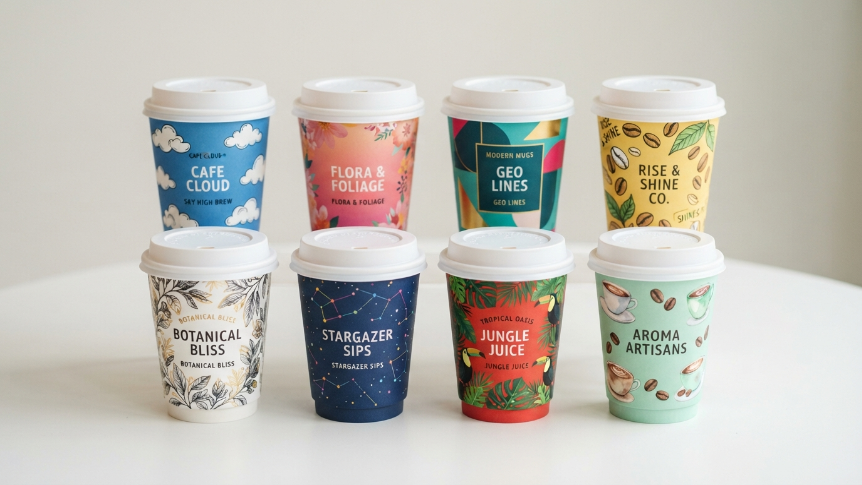
Custom paper cups are a simple part of daily drink service for cafes and food businesses. They hold hot coffee and cold drinks while giving each order a neat and familiar look. A suitable cup also helps keep drinks easy to carry from the counter to the office or car. Many businesses choose printed cups to match their shop style. Others prefer plain designs that suit different drinks and occasions. The right choice depends on cup size, material, and the type of service. Good cups should feel comfortable to hold and work well throughout a busy day.
Cup Design Basics
A paper cup needs a practical shape and a clean finish. The rim should feel smooth, and the base should remain stable on a flat surface. These details matter in a busy cafe where drinks move quickly from the counter to customers. The design also affects how the cup looks beside a pastry or takeaway meal. Simple colours can create a tidy appearance without extra decoration. A well-planned cup design supports daily use and helps a business maintain a consistent look across its drink menu.
Brand Print Choices
Printed cups can carry a business name or a small graphic that makes each order easy to recognize. Many cafes choose custom paper cups with logo designs to match their menus and shop signs. The artwork does not need to be complex. A clear logo with readable text can look better than a crowded layout. Colour choice also matters because some shades appear differently on paper than on a screen. A balanced design keeps the cup attractive without making the printed message hard to read.
Lid Fit Options
A suitable lid can make takeaway drinks easier to transport. It helps reduce spills when a customer carries coffee across a parking lot or takes a drink on public transport. For this purpose, custom paper cups with lids are useful for cafes and mobile drink stalls. The lid must match the cup rim to create a secure fit. Some lids include a small opening for direct sipping, while others use a separate drinking slot. The best option depends on the drink temperature and the way customers usually carry their orders.
Bulk Order Planning
Cup orders need careful planning when a business serves drinks throughout the week. A small cafe may need fewer cartons than a busy restaurant or event supplier. Custom paper cup wholesale orders can suit businesses that use the same cup design every day. Bulk purchases may reduce the cost per cup, but they also require enough storage space. Paper cups should stay in a clean and dry area away from moisture and strong odours. A sensible order size helps prevent waste and keeps supplies ready for normal service.
Flexible Order Quantities
Small businesses often need printed cups before they can predict future demand. A local coffee shop may want a short trial run before it commits to a large order. Some suppliers offer custom paper cups with no minimum options that allow a smaller purchase. This can help with seasonal designs or special events. Small orders may have a higher unit price than bulk orders, so the full cost deserves attention. A test batch also gives the business a chance to check print quality and cup strength before placing a larger order.
Price And Quality
The price of custom paper cups depends on several practical details. Cup size and paper thickness affect the material cost. Printing method and artwork colours can also change the final quote. Extra features such as lids or special coatings may raise the total expense. A low price does not always mean a good deal if the cup becomes soft during use or the print looks unclear. Businesses should compare similar products before making a decision. A fair comparison includes shipping costs and order quantities as well as the quality of the finished cup.
Material And Disposal
Paper cups may contain paper fibres along with a thin lining that helps prevent leaks. This lining can affect how the cup is handled after use. A Recyclable Paper Cup may be suitable for certain recycling systems, but acceptance depends on the local facility and the cup material. Some areas have specialist collection programs for used cups. Clear disposal guidance helps customers choose the correct bin. Businesses should check supplier claims and local waste rules before describing a cup as recyclable. Honest information is more useful than a broad environmental promise.
Local Supply Choices
Businesses across the paper cups in the USA market can find paper cups for cafes, restaurants, and large events. Supplier options vary by cup size,printing style, and delivery needs. A local supplier may offer shorter shipping times,while a larger manufacturer may provide more sizes or print choices. Samples are useful before a full order because they show how the cup feels and how the design appears in real light. Delivery schedules also matter for seasonal promotions. A reliable supply plan helps prevent sudden shortages during busy periods.
Personal Touch Details
A cup can feel more connected to an event when the design suits the occasion. A bakery might choose soft colours for a weekend promotion while a sports venue may prefer bold graphics. Personalized paper cups can include a short message or artwork for weddings and community events. The design should remain easy to read and should not interfere with the cup rim or drinking area. Event planners should also consider how many cups are needed and whether the design will remain useful after the event. A simple design can work for several types of gatherings.
Conclusion
Custom paper cups are a practical choice for cafes and food businesses that need convenient drink containers. The right option depends on cup size, print quality, lid fit, and material. A clear design can support a business identity without making the cup look crowded.
Careful order planning can also reduce waste and keep supplies available during busy periods. Material claims deserve attention because recycling rules vary by location. Before placing an order, a business should review samples and compare full costs. With sensible choices, custom paper cups can support daily drink service and create a consistent experience for customers.

