

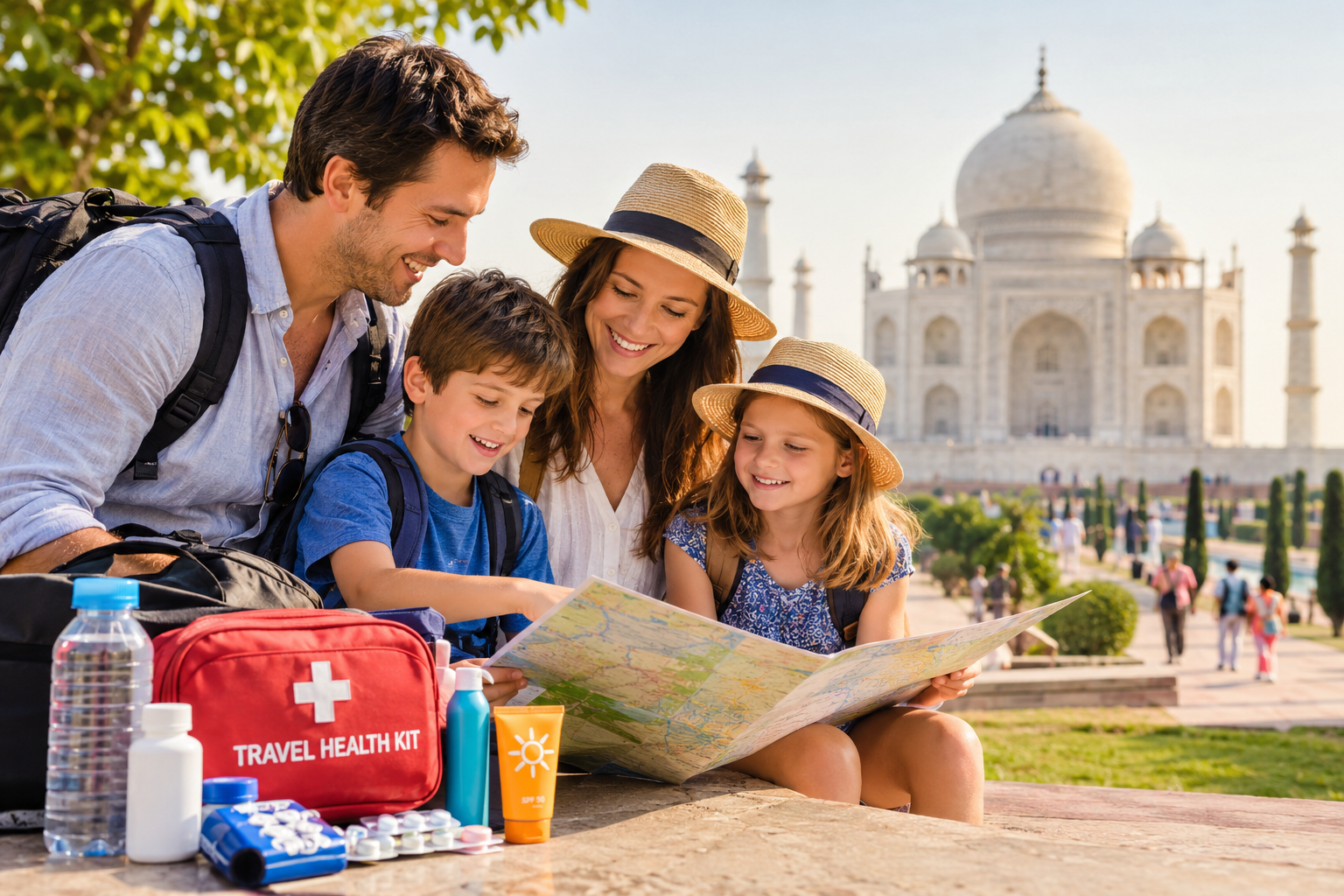
Family Holidays in India: Health, Vaccinations and Travel Tips for Parents

India is an exciting destination for families, offering colourful festivals, fascinating wildlife, beautiful beaches, and unforgettable cultural experiences. From exploring Rajasthan’s royal palaces to relaxing along Kerala’s peaceful backwaters, the country provides endless opportunities for parents and children to create lasting memories. However, travelling with children requires careful planning, particularly when it comes to health, hygiene, vaccinations, and safety.
For British families planning family holidays to India, understanding essential health precautions can make the journey more comfortable and enjoyable. Whether travelling with toddlers, young children, or teenagers, preparing for different climates, unfamiliar foods, and local environments helps reduce unnecessary worries. With sensible precautions and appropriate medical advice, families can explore India's remarkable destinations with greater confidence.
1. Essential Vaccinations Before Travelling to India
Vaccinations are an important consideration when organising a family holiday in india. Parents should arrange a travel health consultation ideally six to eight weeks before departure, allowing sufficient time for recommended vaccinations and medical advice.
Before travelling, ensure that children are up to date with their routine UK vaccinations, including measles, mumps, rubella (MMR), and other immunisations recommended by the NHS.
Depending on the itinerary, age, medical history, and planned activities, a healthcare professional may recommend additional vaccinations, including:
-
Hepatitis A: Recommended for many travellers because infection can spread through contaminated food and water.
-
Typhoid: Particularly relevant when visiting areas where food and water hygiene may be uncertain.
-
Hepatitis B: May be recommended depending on individual risk factors and travel plans.
-
Rabies: Worth discussing for families visiting rural areas or places where contact with animals is possible.
-
Japanese encephalitis: May be considered for extended stays or particular rural itineraries.
Vaccination requirements vary, so parents should consult a qualified healthcare professional and check the latest NHS Fit for Travel or TravelHealthPro guidance before departure.
2. Food Safety Tips for Families Travelling with Children
Indian cuisine is famous for its incredible flavours, aromatic spices, and regional specialities. While trying local dishes can be a highlight of family holidays in india, parents should take precautions to minimise the risk of stomach infections.
Choose restaurants with good hygiene standards, preferably those recommended by reputable hotels or experienced local guides. Freshly prepared, thoroughly cooked meals served hot are generally safer choices.
Children may prefer familiar dishes such as plain rice, dal, freshly cooked vegetables, and mild curries. Parents should introduce unfamiliar foods gradually, particularly if children have sensitive stomachs.
Avoid raw or undercooked foods, unpasteurised dairy products, and fruit that cannot be washed safely or peeled. Carrying familiar snacks can also help during long journeys or sightseeing excursions.
3. Drinking Water and Staying Hydrated
Maintaining proper hydration is essential when travelling through India, especially during warmer months.
Families should drink commercially sealed bottled water or water that has been appropriately purified. Tap water should generally be avoided for drinking, and parents should be cautious with ice unless its preparation is known to be safe.
Children may become dehydrated more quickly than adults, particularly when spending long periods outdoors.
Encourage regular water breaks and carry refillable bottles filled with safe drinking water. Oral rehydration salts can be useful if a child develops diarrhoea or experiences significant fluid loss.
Signs of dehydration include reduced urination, dry mouth, unusual tiredness, and dizziness. Seek medical advice promptly if symptoms become concerning.
4. Protecting Children from Mosquitoes and Insect Bites
Mosquito-borne illnesses, including dengue and malaria, are important health considerations for travellers visiting India. Risks vary considerably by region, season, and itinerary.
Parents planning family holidays to india should discuss destination-specific malaria prevention with a travel health professional.
Practical precautions include using age-appropriate insect repellent, dressing children in lightweight long-sleeved clothing, and choosing accommodation with screened windows or air conditioning.
Mosquito nets may provide additional protection where appropriate.
Because dengue-carrying mosquitoes often bite during daylight hours, protection should continue throughout the day rather than only in the evening.
5. Managing India's Climate with Children
India experiences diverse weather conditions, from the cooler Himalayan regions to the tropical temperatures of southern destinations.
Families visiting during warmer months should schedule outdoor sightseeing during cooler morning and late-afternoon periods whenever possible.
Lightweight, breathable clothing, sun hats, sunglasses, and suitable sunscreen help protect children from excessive sun exposure.
During winter, northern destinations such as Delhi, Jaipur, and Agra can experience chilly mornings and evenings, making layered clothing useful.
Parents planning a family holiday in india should research seasonal conditions in each destination rather than assuming the weather will be similar throughout the country.
6. Packing a Family Travel Health Kit
A well-prepared medical kit can make travelling with children significantly easier.
Parents should consider packing:
-
Age-appropriate fever and pain medication
-
A digital thermometer
-
Oral rehydration salts
-
Adhesive bandages and antiseptic supplies
-
Insect repellent and sunscreen
-
Regular prescription medicines
-
Allergy medication recommended by a healthcare professional
-
Hand sanitiser and tissues
Keep essential medication in original packaging and carry prescriptions or supporting medical documents where necessary.
Families should also check medicine import rules before departure and ensure their travel insurance covers relevant medical needs.
7. Choosing Family-Friendly Accommodation
Comfortable accommodation plays an important role in successful family holidays in india.
Look for hotels offering reliable cleanliness, safe drinking water, comfortable bedding, and convenient access to medical facilities.
Family suites, connecting rooms, swimming pools, and flexible dining options can make travelling with younger children more enjoyable.
Parents should also consider safety features, particularly around balconies, staircases, swimming pools, and busy roads.
Reputable family-friendly hotels in destinations such as Jaipur, Udaipur, Goa, and Kerala can provide a comfortable base for exploring nearby attractions.
8. Safe Transportation and Sightseeing
India's bustling cities and busy roads can feel unfamiliar to first-time visitors.
Prearranged private transfers with experienced drivers can simplify journeys between airports, hotels, and attractions.
Parents travelling with infants or young children should request suitable child restraints in advance and confirm availability, as these may not be standard in every vehicle.
Avoid excessively packed itineraries. Include rest periods between sightseeing activities and allow children time to recover from long journeys.
When visiting crowded attractions, establish a meeting point and ensure older children know how to contact their parents.
9. Travel Insurance and Emergency Preparation
Comprehensive travel insurance is essential for international family travel.
Choose a policy covering emergency medical treatment, hospitalisation, medical evacuation, and planned activities.
Before departure, save important emergency contacts, including hotel details, insurance assistance numbers, and nearby medical facilities.
Parents should seek medical attention promptly if a child develops persistent fever, severe diarrhoea, breathing difficulties, or signs of dehydration.
If a fever develops during or after travel, inform the healthcare professional about the child's recent visit to India.
10. Planning a Stress-Free Family Holiday
Successful family holidays to india combine exciting experiences with realistic expectations.
Instead of visiting too many destinations, consider a manageable itinerary featuring cultural attractions, nature experiences, and relaxation.
For example, families might explore Delhi's historical landmarks, discover Jaipur's magnificent forts, and visit Agra's iconic Taj Mahal before enjoying a peaceful retreat.
Booking reliable transport, selecting suitable accommodation, and allowing flexible sightseeing schedules can help parents focus on enjoying the journey.
Conclusion
India offers extraordinary opportunities for families seeking adventure, cultural discovery, and meaningful experiences together. With appropriate vaccinations, sensible food precautions, reliable accommodation, and thoughtful itinerary planning, parents can minimise many common travel concerns.
Indian Odyssey is a UK based travel company offering personalised travel experiences designed around individual family preferences. From comfortable accommodation to carefully planned sightseeing, a tailored journey can help families discover India's diverse attractions at a relaxed pace.
Start planning your family adventure with Indian Odyssey and discover how preparation and expert travel planning can make your Indian holiday truly memorable.

