

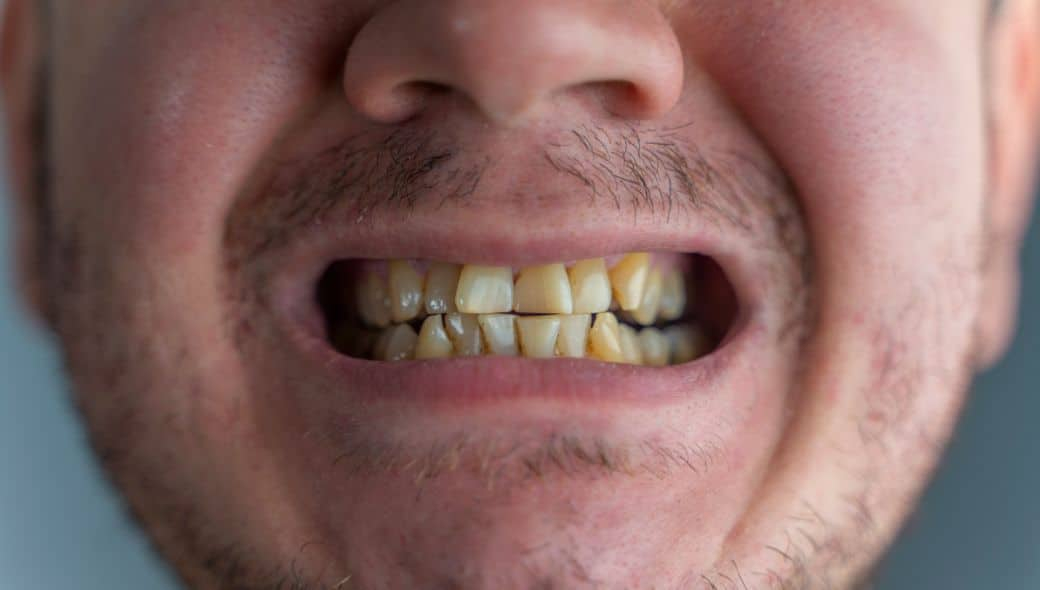

Coffee is a popular daily drink, but regular consumption can gradually leave teeth looking yellow or brown. These stains may become more noticeable over time, especially when coffee is consumed several times a day. Professional Teeth Whitening in Dubai may help reduce coffee-related discoloration and restore a brighter appearance to natural teeth. The results depend on how deeply the stains have developed, the condition of the enamel, and the whitening method selected.
How Coffee Causes Tooth Discoloration
Coffee contains dark-colored compounds called tannins, which can attach to the surface of teeth and contribute to staining. Although tooth enamel looks smooth, it has a microscopic structure that can allow staining substances to accumulate over time.
Several factors can influence how quickly coffee stains develop:
-
Frequent coffee consumption: Drinking coffee throughout the day can increase repeated exposure to staining compounds.
-
Poor oral hygiene: Inadequate brushing and flossing may allow plaque and stains to build up.
-
Natural tooth characteristics: Some people have enamel that is more susceptible to visible discoloration.
-
Smoking or tobacco use: Tobacco can contribute additional yellow or brown stains.
-
Aging: Teeth may appear darker as enamel gradually wears down and the underlying dentin becomes more visible.
Coffee stains usually begin as external discoloration on the tooth surface. However, long-term discoloration can sometimes become more difficult to remove with ordinary brushing alone.
How Whitening Treatments Work on Coffee Stains
Teeth whitening treatments use bleaching ingredients, commonly hydrogen peroxide or carbamide peroxide, to lighten discoloration. These ingredients penetrate the tooth structure and help break down colored compounds responsible for stains.
The effectiveness of whitening depends on the type and severity of discoloration. Surface stains from coffee often respond well to appropriate whitening treatments, while deeper stains may require a different approach or may not disappear completely.
Whitening treatments are generally intended for natural teeth. They do not whiten crowns, veneers, bridges, or tooth-colored fillings in the same way they whiten natural enamel. If these restorations are visible when smiling, a dentist should assess the likely color match before treatment.
Professional Whitening for Stubborn Coffee Stains
Professional whitening may be suitable for people whose teeth have developed noticeable discoloration despite regular oral care. Before recommending treatment, a dentist can examine the teeth, identify the likely cause of staining, and check for problems such as cavities, gum inflammation, or enamel damage.
Depending on the patient's needs, treatment may involve dentist-supervised whitening in the clinic or a customized take-home whitening system.
In-Office Whitening
In-office whitening is performed under dental supervision. A professional whitening product is applied according to the manufacturer's instructions and the dentist's assessment.
Potential advantages include:
-
A controlled treatment process.
-
Professional evaluation before whitening.
-
The opportunity to monitor tooth and gum sensitivity.
-
Noticeable changes for suitable candidates, sometimes after one appointment.
The amount of whitening achieved varies, and some people may need additional treatment to reach their preferred shade.
Dentist-Supervised At-Home Whitening
A dentist may recommend a take-home whitening system that uses whitening gel, often with customized trays. The patient follows the prescribed instructions over a period of time.
This approach allows gradual whitening and may be convenient for people who prefer to carry out treatment at home. Using the correct concentration and wearing the trays as directed are important for reducing the risk of sensitivity and gum irritation.
Over-the-counter whitening products may also help with certain types of discoloration, but they are not suitable for everyone. A dental professional can help determine which option is appropriate.
Can Toothpaste Remove Coffee Stains?
Whitening toothpaste may help reduce mild surface stains through gentle polishing ingredients. Some products also contain ingredients designed to limit the buildup of new stains.
However, whitening toothpaste generally does not produce the same degree of color change as peroxide-based whitening treatments. It mainly helps with surface discoloration and cannot reliably remove deeper stains within the tooth.
For best results, choose a toothpaste suitable for regular use and brush with a soft-bristled toothbrush. Excessively abrasive products or aggressive brushing may contribute to enamel wear or gum recession over time.
If coffee stains remain visible despite consistent brushing, a dental examination can help determine whether professional cleaning or whitening would be more effective.
How to Prevent Coffee Stains From Returning
Whitening can improve the appearance of stained teeth, but it does not prevent new discoloration from developing. Daily habits can help maintain results and reduce future staining.
Rinse With Water After Drinking Coffee
Drinking water after coffee helps rinse away some remaining beverage residue. It is a simple habit that may reduce the amount of staining material left on the tooth surfaces.
Maintain a Consistent Oral Hygiene Routine
Brush twice daily with fluoride toothpaste and clean between the teeth every day. Regular dental checkups also help identify plaque buildup, gum problems, and other concerns before they become more serious.
Reduce Frequent Exposure
If you drink coffee throughout the day, consider enjoying it during a shorter period rather than repeatedly sipping it for hours. You may also choose to reduce the amount you drink if staining is a concern.
Be Careful With Brushing After Coffee
Coffee is acidic, and brushing immediately after consuming acidic drinks may contribute to enamel wear. Rinse with water first and wait around 30 minutes before brushing.
Avoid DIY Whitening Remedies
Lemon juice, undiluted vinegar, and aggressive baking soda scrubbing are not reliable whitening methods and may damage enamel or irritate the gums. Use products designed for dental care and follow professional advice.
Safety Considerations Before Whitening
Teeth whitening is generally considered safe when suitable products are used correctly, but temporary tooth sensitivity and gum irritation can occur. The likelihood of these effects depends on the product, concentration, application time, and the individual's oral health.
A dentist should assess existing dental problems before whitening. Cavities, gum disease, cracked teeth, and exposed roots may need attention first. People with significant sensitivity or certain dental restorations may require a modified approach.
Whitening is also not appropriate for every type of discoloration. A single dark tooth, for example, may indicate an underlying dental issue that needs evaluation rather than routine cosmetic whitening.
Realistic expectations are important. Whitening can make natural teeth look brighter, but the final shade varies, and extremely white results cannot be guaranteed.
Conclusion
Teeth whitening can help reduce coffee stains and improve the appearance of naturally discolored teeth. Mild surface stains may improve with good oral hygiene and professional cleaning, while more persistent discoloration may respond better to dentist-supervised whitening. The right approach depends on the cause of the stains, the condition of your teeth, and your desired results.
Limiting frequent coffee exposure, rinsing with water, maintaining daily oral hygiene, and attending regular dental checkups can help keep teeth looking cleaner and brighter. For persistent stains, a dental professional can recommend a suitable option and explain the expected results and possible side effects.
Frequently Asked Questions
Can teeth whitening completely remove coffee stains?
Whitening can significantly reduce many coffee stains, but complete removal is not guaranteed. Results depend on how deeply the stains have developed and whether other causes of discoloration are present.
How long does it take to remove coffee stains with whitening?
Some people notice a difference after an in-office treatment, while dentist-supervised home whitening usually works gradually over several days or weeks. The timeline depends on the product and the severity of staining.
Does whitening toothpaste remove coffee stains?
Whitening toothpaste may reduce mild surface stains, but it usually cannot lighten deeper discoloration as effectively as peroxide-based whitening treatments.
Should I stop drinking coffee after teeth whitening?
You do not necessarily need to stop drinking coffee. However, reducing frequent exposure and rinsing with water afterward may help limit new stains.
Can coffee stains damage tooth enamel?
Coffee can contribute to discoloration, but staining alone does not necessarily mean enamel has been damaged. Coffee is acidic, so frequent exposure may contribute to enamel erosion over time, particularly when combined with other acidic foods and drinks.
Can I whiten teeth if I have sensitive teeth?
Possibly, but a dentist should assess the cause of sensitivity first. A lower-strength product, a modified schedule, or treatment for the underlying problem may be recommended.
Is professional cleaning enough to remove coffee stains?
Professional cleaning can remove many external stains and deposits. If discoloration remains within the tooth structure, whitening may be needed to achieve a lighter shade.

