

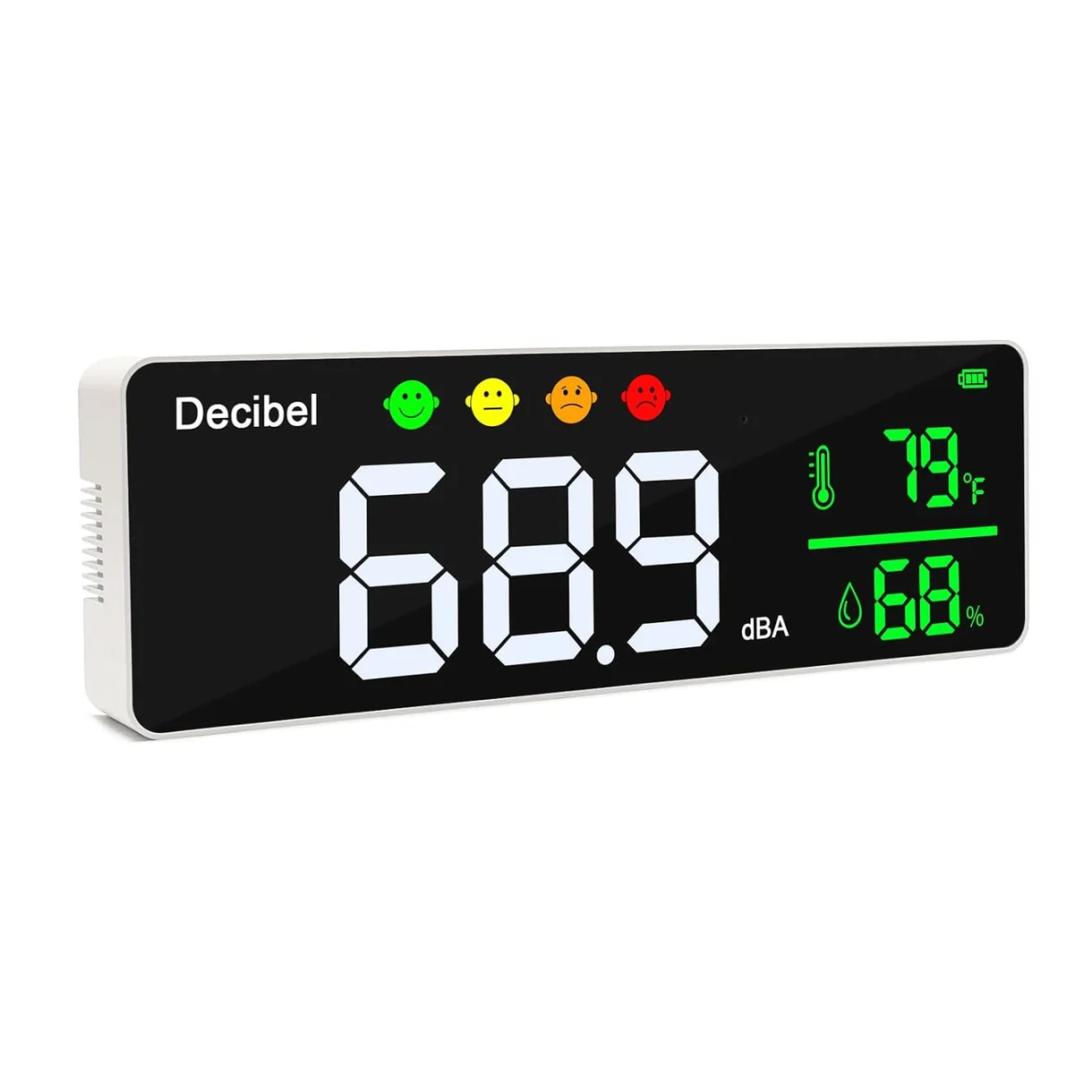

Whether you’re monitoring workplace noise, checking the volume of a home theater, or conducting environmental sound surveys, the right measuring instrument makes all the difference. A sound level meter—often called a decibel meter—is the tool you need to quantify how loud a sound actually is. But with so many models on the market, ranging from budget handheld units to professional-grade instruments, choosing the best one can feel overwhelming. This guide walks you through the key factors to consider so you can pick the sound level meter decibel meter that fits your specific needs.
1. Start With Your Purpose
The single most important question is: what will you use the device for? Your answer determines almost every other choice you’ll make.
- Casual home use: If you just want to check TV volume, monitor noisy appliances, or settle a debate about a loud neighbor, a basic consumer decibel meter is more than enough. These devices are affordable and easy to use.
- Occupational and workplace safety: If you’re assessing noise exposure for employees, you need a calibrated sound level meter that complies with standards such as IEC 61672. Accuracy and documentation matter here.
- Environmental and community noise: Surveys of traffic, construction, or industrial noise require instruments with data logging and the ability to calculate equivalent continuous levels (Leq).
- Audio and acoustic engineering: Measuring speaker systems, room acoustics, or product noise demands a high-accuracy meter with multiple weighting and time-response options.
2. Understand Accuracy Classes
Professional sound level meters are classified under IEC 61672 standards:
- Class 1: The highest accuracy, with tighter tolerances. These instruments are essential for precise measurements, legal or regulatory purposes, and laboratory work.
- Class 2: Suitable for general-purpose field measurements. Class 2 meters are widely used in workplace assessments and are more affordable than Class 1 instruments.
If your measurements need to hold up in a report, audit, or legal context, choose a meter with a clearly stated accuracy class. Consumer “decibel meters” often don’t specify their accuracy, so treat their readings as rough indicators only.
3. Check Frequency Weighting Options
Frequency weighting adjusts how the meter responds to different pitches, mimicking how human hearing works:
- A-weighting: The most common setting, designed to reflect the sensitivity of the human ear. Used for most environmental and workplace noise assessments.
- C-weighting: Flatter response, better for measuring low-frequency noise and peak sound levels.
- Z-weighting (zero): No weighting, providing flat measurements across the frequency range.
A good sound level meter should offer at least A and C weighting. If you’re serious about acoustic measurement, Z-weighting is a valuable addition.
4. Look at Time Response Settings
Time constants determine how quickly the meter responds to changing sound levels:
- Fast: Responds quickly, useful for fluctuating noise.
- Slow: Averages over a longer period, providing a smoother reading.
- Impulse: Designed for short bursts of sound, such as impacts or bangs.
Professional sound level meters usually include all three. Basic decibel meters may only offer fast or slow settings.
5. Consider Data Logging and Analysis
For anything beyond a quick spot check, data logging is a game-changer. Meters with logging capability can record sound levels over hours or days, allowing you to analyze patterns and identify problem periods. Some models include software for exporting data, generating reports, and calculating metrics like Leq and percentiles.
If you’re conducting environmental surveys or long-term workplace monitoring, data logging is essential. For casual use, it’s a nice-to-have feature you can skip to save money.
6. Don’t Forget Calibration
Any serious sound level meter should support field calibration using an acoustic calibrator. Calibration ensures your readings remain accurate over time and provides traceability for professional reports. Even if you only use your meter occasionally, a calibrator is a worthwhile investment—especially if the meter will be used for compliance purposes.
7. Evaluate Display and Usability
A clear, well-designed display makes measurement easier. Look for meters with:
- Large digital readouts that are easy to read in various lighting conditions
- Backlighting for low-light environments
- Hold and max/min functions for capturing key readings
- Intuitive controls and clear menus
Ergonomics matter too, especially if you’ll be holding the meter for extended periods.
8. Battery Life and Durability
Consider how long the meter runs on a set of batteries and whether it uses standard batteries or a rechargeable pack. For fieldwork, long battery life and a rugged, drop-resistant design are important. Check the operating temperature range if you’ll be measuring outdoors in extreme conditions.
9. Set a Realistic Budget
Prices range from under $30 for basic consumer decibel meters to several thousand dollars for professional Class 1 sound level meters. Match your budget to your needs:
- Basic home use: $20–$60
- Semi-professional use: $100–$300
- Professional and regulatory use: $500 and up, plus calibration equipment
Don’t overspend on features you won’t use, but don’t underspend if accuracy and compliance are required.
10. Read Reviews and Check Standards Compliance
Before buying, read reviews from users with similar needs. Verify that the manufacturer clearly states the meter’s accuracy class, standards compliance, and calibration requirements. Reputable brands provide detailed specifications and support.
Final Thoughts
Choosing the best sound level meter decibel meter comes down to matching the instrument to your purpose. For casual use, a simple decibel meter will do. For workplace safety, environmental monitoring, or engineering work, invest in a calibrated, standards-compliant sound level meter with the weighting options, time responses, and data logging you need. By considering accuracy, features, calibration, usability, and budget, you’ll be well equipped to make a confident and informed choice.

