

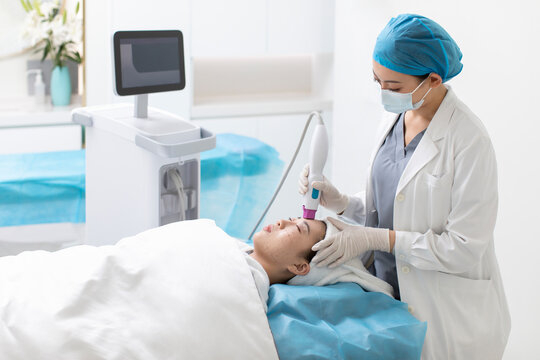

Aesthetic treatments help people address concerns about facial features, skin quality, and other aspects of their appearance. For patients considering these services, finding the right professional is an important first step. A top aesthetic surgeon in Lahore should offer suitable expertise, clear communication, careful assessment, and a strong focus on patient safety.
The term aesthetic surgeon can describe professionals with different types of medical training. Patients should therefore check the provider's actual qualifications instead of relying on a title or advertising language. Surgical procedures require appropriate surgical training, while certain nonsurgical treatments may fall within the scope of other qualified medical professionals.
Lahore has a range of aesthetic care options. Understanding how to compare providers helps patients select a treatment based on medical advice rather than promotional claims.
What Makes an Aesthetic Surgeon a Suitable Choice?
A suitable aesthetic surgeon combines relevant training with experience in the procedure a patient wants to consider. No single title or online rating can establish that a professional is the right choice for every person.
Patients should verify the provider's medical registration, specialty training, and experience with the specific procedure. They should also ask about the facility where treatment takes place, the use of anesthesia when required, and the arrangements for managing complications.
Communication is another important factor. The surgeon should explain the procedure, expected results, possible risks, and recovery requirements. Patients need enough information to compare options without feeling rushed.
A professional may recommend against surgery if the expected benefits do not justify the risks. This approach shows that the provider considers the patient's health and goals rather than simply agreeing to every request.
Popular Areas of Aesthetic Care
Aesthetic care includes surgical and nonsurgical treatments. The appropriate service depends on the concern and the professional's qualifications.
Facial procedures may address the nose, eyelids, chin, or facial contours. Other treatments may focus on visible signs of aging, skin texture, scars, or uneven pigmentation. Body procedures may address selected concerns involving body shape or excess skin.
Not every concern requires surgery. Some patients may benefit from dermatological treatment, skin care guidance, or other nonsurgical options. A consultation helps determine which approach offers a reasonable balance between expected results, cost, downtime, and risk.
Patients should avoid selecting a procedure only because it is popular. The best option is the one that addresses their specific concern safely and realistically.
The Importance of a Detailed Consultation
A consultation allows the surgeon to understand the patient's goals and assess medical suitability. The appointment should include a review of health history, medications, allergies, previous treatments, and any relevant surgical history.
The provider should ask what the patient wants to change and explain whether the requested result is realistic. Some procedures can improve a feature without making it perfectly symmetrical or creating a particular appearance shown in an edited photograph.
Patients should also discuss their daily routine, work commitments, and ability to follow recovery instructions. These details can affect the timing and practicality of a procedure.
Before making a decision, patients should understand the treatment plan, alternatives, possible complications, total fees, and follow up schedule. They should receive enough time to consider the information.
Questions to Ask Before Treatment
Aesthetic Surgeon Specialist involves personal decisions, and patients should feel comfortable asking questions before proceeding.
-
What training and experience do you have with this specific procedure, and who will perform it?
-
What are the main risks, what recovery should I expect, and how will you manage complications?
These questions help patients understand the provider's approach. Written information about preparation and aftercare can also make the process clearer.
Surgical and Nonsurgical Options
Surgical treatments generally involve incisions, tissue changes, or other operative steps. They may produce substantial changes but also involve recovery time and risks associated with surgery and anesthesia.
Nonsurgical procedures may involve injections, selected energy based devices, or other treatments for specific aesthetic concerns. They often involve less downtime than surgery, but they still carry risks. Results may be temporary and may require repeat treatment.
The terms minimally invasive and nonsurgical do not mean risk free. Patients should ask about the exact treatment, the products or devices used, the provider's training, and the steps taken to prevent complications.
A qualified professional should explain when an alternative treatment may be more suitable and when no procedure is the safest choice.
Recovery and Aftercare
Recovery varies with the procedure and the patient's health. Some treatments cause temporary swelling or bruising, while surgery may require restrictions on exercise, lifting, or other activities.
Patients should follow the instructions provided by their treating clinician. They should not change medication use or resume strenuous activity without appropriate medical guidance.
Follow up visits allow the provider to monitor healing and answer questions. Patients should know how to contact the clinic if they develop symptoms that concern them. Severe pain, difficulty breathing, chest pain, or sudden vision changes require urgent medical assessment.
A reliable provider discusses aftercare before treatment rather than leaving patients to work out recovery on their own.
How to Compare Aesthetic Clinics in Lahore
Patients can compare clinics by reviewing their medical teams, treatment options, facility standards, and consultation process. Transparent pricing is useful, but low cost alone should not determine the decision.
Before and after photographs may offer examples of a provider's work, provided the images are genuine and shared with appropriate consent. However, results vary, and photographs cannot establish whether a procedure is suitable for another patient.
Patients should be cautious about guaranteed results, pressure to book immediately, and claims that a procedure has no risks. A responsible provider discusses limitations and gives patients time to make a decision.
Conclusion
Finding a top aesthetic surgeon Lahore begins with checking qualifications, experience, patient safety, and the quality of consultation. Patients should understand the available treatments and choose an option that fits their medical needs and personal goals.
People exploring aesthetic services in DHA Phase 3, Lahore, and surrounding areas may consider Dr Badie Idris as part of their search. Before choosing a procedure, prospective patients should verify the provider's credentials, discuss their concerns directly, and confirm that the proposed treatment is appropriate for them.
Frequently Asked Questions
1. How can I find a top aesthetic surgeon in Lahore?
Check relevant medical qualifications, specialty training, experience with the procedure, facility standards, and follow up care. Arrange a consultation before making a decision.
2. What is the difference between an aesthetic surgeon and an aesthetic practitioner?
An aesthetic surgeon has appropriate surgical training for the procedures they perform. Aesthetic practitioners may provide selected nonsurgical services depending on their medical qualifications and legal scope of practice.
3. Are aesthetic treatments available without surgery?
Yes. Some treatments address specific skin and appearance concerns without surgery. A qualified professional can explain their benefits, limitations, and risks.
4. How much does aesthetic treatment cost in Lahore?
Costs depend on the procedure, provider, facility, anesthesia, and follow up requirements. Patients should request a clear breakdown of the total cost.
5. What should I do before an aesthetic procedure?
Discuss your medical history, medications, allergies, goals, and concerns with the provider. Follow the specific preparation instructions supplied by the treating clinician.

