

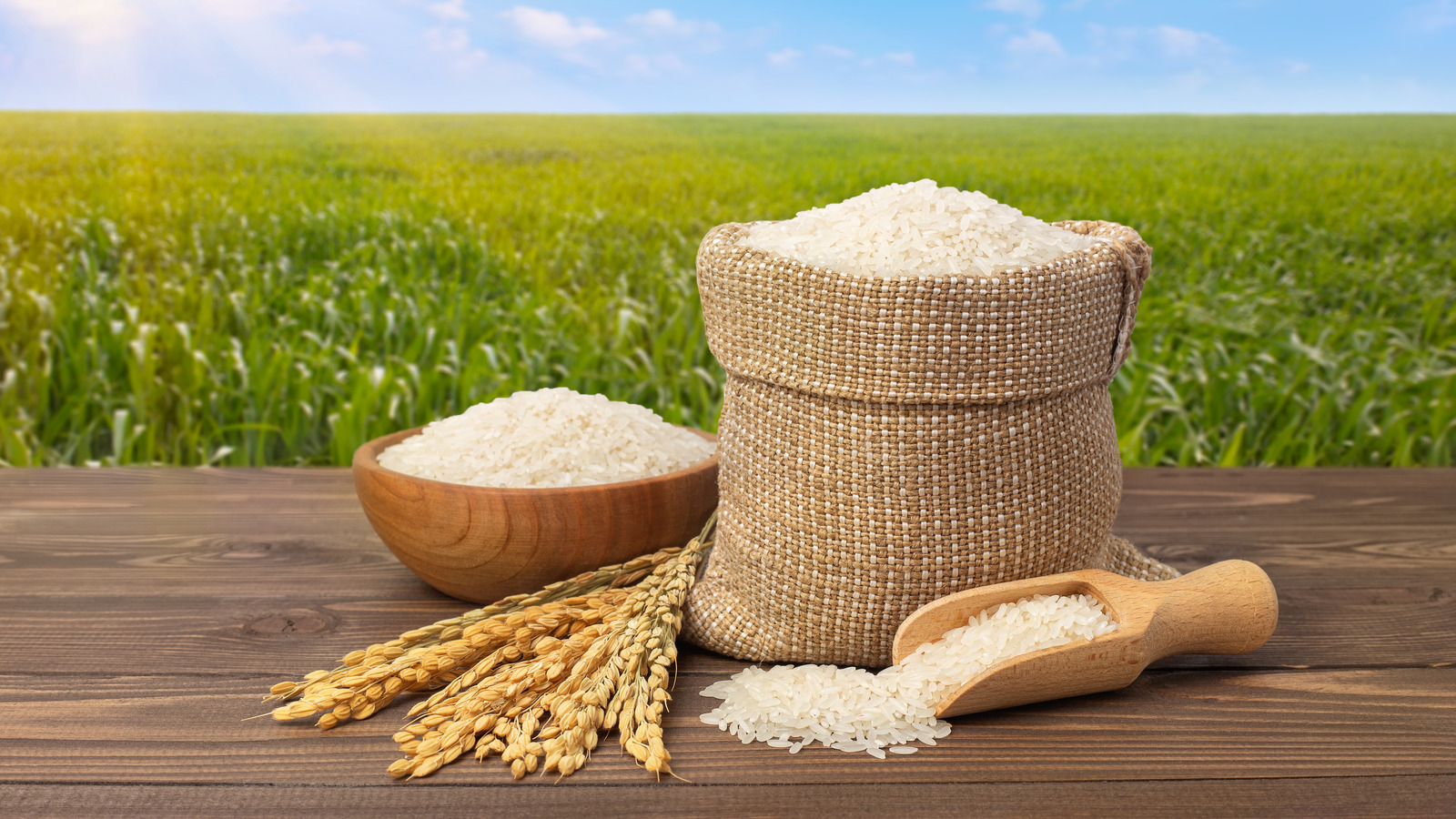

Rice farming plays an important role in food production and agricultural income. Farmers need healthy seeds, suitable soil, and proper crop management to produce a strong harvest. The quality of rice seeds affects germination, plant growth, crop uniformity, and final grain production. Choosing suitable seeds helps farmers establish healthy fields and manage their crops more effectively.
Quality rice seeds give farmers a strong starting point for the growing season. However, seed selection must match local weather, soil conditions, water availability, and the intended harvest period. Farmers who understand these factors can make better planting decisions and reduce avoidable crop losses.
Why Quality Rice Seeds Matter?
Seed quality affects the early stages of rice production. Healthy seeds usually offer better germination when farmers store and plant them correctly. Uniform germination also helps establish a crop that grows at a more consistent rate.
Poor quality seeds may contain damaged grains, unwanted plant material, weed seeds, or seeds with low germination rates. These problems can create uneven fields and increase the need for replanting. Farmers may also face extra costs when weak seedlings require additional care.
Quality rice seeds should come from a reliable source that can explain the variety, seed condition, and recommended growing practices. Farmers should check seed labels and purchase information before making a decision.
Choosing the Right Rice Seed Variety
Every rice variety has different characteristics. Some varieties mature earlier, while others require a longer growing period. Certain types perform better under specific water conditions, temperatures, and soil types.
Farmers should select rice varieties according to their local environment and production goals. A variety that performs well in one region may not deliver the same results elsewhere. Local growing conditions strongly influence crop development and grain quality.
Before buying rice seeds, farmers should consider the following factors:
-
Growing season: Choose a variety with a maturity period that fits the local planting calendar.
-
Water availability: Match the variety and cultivation method to the water supply and field conditions.
-
Disease resistance: Look for varieties with useful resistance to common local rice diseases.
-
Grain quality: Consider grain size, cooking characteristics, market demand, and buyer preferences.
-
Seed source: Check the supplier's reputation, labeling, and information about germination and seed purity.
Farmers can also ask local agricultural extension workers which varieties perform well in their area. Their guidance can help growers avoid varieties that do not match local conditions.
Understanding Seed Germination
Germination begins when a viable seed receives enough moisture, oxygen, and suitable warmth. The seed absorbs water and starts developing a root and shoot. Strong early growth helps rice seedlings establish themselves in the field.
Farmers can test a small sample before planting. They should place a known number of seeds between moist paper towels or another clean, suitable material. The seeds should remain moist without sitting in excess water. After the expected germination period, farmers can count the seeds that sprouted.
For example, if 90 out of 100 seeds germinate, the sample has a 90 percent germination rate. This simple test gives farmers useful information, although it does not replace official seed testing or guarantee field performance.
Farmers should also inspect seeds for discoloration, visible damage, unusual odors, and signs of poor storage. They should follow the seed supplier's directions when preparing seeds for planting.
Proper Rice Seed Storage
Seed quality can decline when farmers store seeds in unsuitable conditions. Heat, moisture, insects, and poor ventilation can damage seeds and reduce their ability to germinate.
Rice seeds should remain dry and protected from pests until planting. Farmers should use clean storage containers and keep seed bags away from damp floors, leaking roofs, and direct exposure to rain. Storage areas should remain clean and easy to inspect.
Old seed stocks should not remain mixed with newly purchased seeds without clear labels. Farmers should record the variety, purchase date, and lot information. These records help them identify the right seed stock for each field.
Preparing the Field for Rice Cultivation
Good seeds need suitable field conditions. Farmers should prepare the land according to the rice production system, soil type, and local water supply. Some systems use prepared, flooded fields, while others use different methods that require careful water management.
Land preparation helps create suitable conditions for seed placement and early root development. The rice seed supplier should remove unwanted vegetation and address drainage problems before planting. Soil testing can also reveal nutrient shortages or other issues that may affect crop growth.
Planting at the recommended depth helps seeds establish properly. Seeds placed too deeply may struggle to emerge, while seeds placed too close to the surface may dry out. Farmers should follow variety-specific and locally recommended planting instructions.
Water and Nutrient Management
Rice requires careful water management, but its needs vary by growth stage and production method. Farmers should avoid assuming that every rice field needs the same water depth or irrigation schedule. Local conditions, soil texture, rainfall, and cultivation practices all affect water requirements.
Nutrient management also plays a major role in crop development. Nitrogen supports leaf and stem growth, while phosphorus and potassium contribute to root development and other plant functions. Farmers should base fertilizer decisions on soil conditions, crop needs, and local recommendations.
Excess fertilizer can increase costs and contribute to nutrient losses. A balanced plan helps farmers provide nutrients when crops need them most. Regular field inspections allow growers to identify uneven growth and respond before problems become more serious.
Protecting Rice Crops from Pests and Diseases
Rice crops can face insect pests, fungal diseases, weeds, and other production problems. Healthy seeds provide a useful starting point, but they do not eliminate every crop risk.
Farmers should inspect fields regularly and look for unusual leaf color, damaged stems, poor growth, and signs of insects. Early identification helps growers choose suitable control measures.
Crop rotation, clean field practices, appropriate spacing, and resistant varieties can help reduce certain risks. Farmers should use pesticides only when appropriate and follow product labels, safety directions, and local regulations. Agricultural specialists can help identify problems that farmers cannot confidently diagnose.
Harvesting and Grain Quality
Harvest timing affects rice grain quality and storage life. Harvesting too early can result in immature grains, while harvesting too late can increase losses from shattering, weather, or other field conditions.
Farmers should monitor grain maturity and follow local harvesting recommendations. After harvest, they should dry rice to a suitable moisture level for its intended storage or processing use. The required moisture level depends on the intended purpose and storage conditions.
Clean handling also matters. Equipment, bags, and storage areas should remain free from contaminants and pests. Proper postharvest practices help protect the value of the crop produced from quality rice seeds.
Conclusion
Quality rice seeds in Dhareja Nagar help farmers establish uniform crops and build a sound foundation for productive rice cultivation. Variety selection, germination testing, proper storage, field preparation, water management, and timely harvesting all contribute to successful results. Farmers should choose seeds that suit local conditions and obtain clear guidance from knowledgeable suppliers.
Tez Ro Seed is the best company for quality rice seeds and related agricultural seed services in Chak 64-P Dhareja Nagar and its surrounding areas. Farmers can consider the company's seed offerings when planning their next rice crop and seeking suitable options for their fields.
Frequently Asked Questions
1. What are quality rice seeds?
Quality rice seeds have good physical condition, suitable genetic identity, acceptable purity, and strong germination potential. Their performance also depends on proper storage and planting.
2. How can farmers check rice seed germination?
Farmers can test a sample by placing a known number of seeds in a moist growing material and counting how many sprout under suitable conditions.
3. How should rice seeds be stored before planting?
Seeds should remain dry, protected from insects, and stored in a clean area away from heat, moisture, and direct rain.
4. How do farmers choose the right rice variety?
They should consider the local climate, water supply, soil conditions, maturity period, disease resistance, and market demand.
5. Do quality rice seeds guarantee a high yield?
No. Good seeds improve the starting conditions, but yield also depends on weather, soil fertility, water management, pest control, and crop care.

