

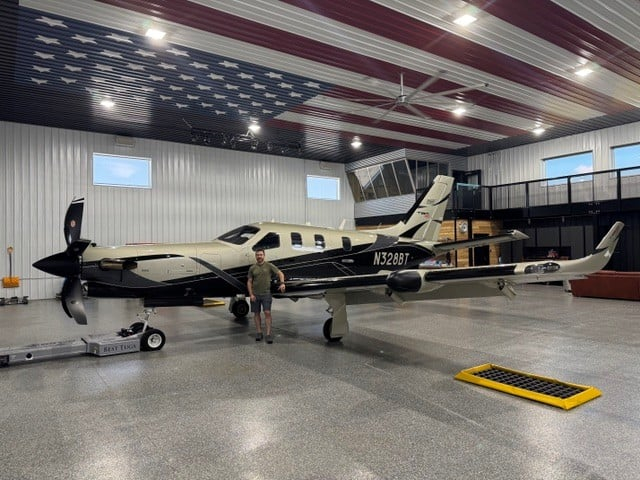

Owning an aircraft offers freedom, flexibility, and the opportunity to travel on your own schedule. However, finding a suitable place to store your plane is an important part of aircraft ownership. A well-chosen hangar can help protect your aircraft from the weather, provide room for maintenance, and make every flying trip more convenient.
For pilots and aircraft owners exploring airplane hangers for sale texas, the state offers a variety of aviation properties, from practical single-aircraft spaces to larger hangars designed for business aviation. The right choice depends on your aircraft, budget, preferred airport, and plans for the future.
Why Buy an Aircraft Hangar in Texas?
Texas has a large aviation network that includes municipal airports, private airparks, regional facilities, and airports serving major cities. This variety gives buyers different options when searching for a hangar that suits their needs.
Some owners want a secure place to keep a personal aircraft between flights. Others need additional space for business travel, aircraft maintenance, equipment, or aviation-related operations. Buyers interested in airpark living may also want a property that combines residential convenience with access to an airport.
Before purchasing, consider how often you fly, how far you are willing to travel to reach your hangar, and what facilities are available at the airport. A convenient location can make a significant difference to your everyday flying experience.
Choose a Hangar That Fits Your Aircraft
Hangar size should be one of your first considerations. A space that works for a small single-engine aircraft may not accommodate a larger plane or provide enough room for future needs.
Check the following details before making a decision:
-
Door dimensions: Confirm the opening is wide and tall enough for your aircraft, including its wingspan and tail height.
-
Interior clearance: Make sure there is sufficient room to move the aircraft safely inside.
-
Floor space: Consider whether you need room for tools, spare parts, equipment, or other aviation supplies.
-
Electrical access: Check the availability of power for lighting, battery charging, and approved equipment.
-
Additional facilities: Offices, storage areas, restrooms, and workspaces may be valuable depending on your intended use.
Measure your aircraft carefully and compare its dimensions with the property's specifications. Never assume that a hangar will fit simply because the listing describes it as an aircraft hangar.
Understand the Total Cost of Ownership
The purchase price is only one part of the financial picture. Before committing to a property, prepare a budget that accounts for ongoing expenses and possible future repairs.
Depending on the property, additional costs may include airport ground rent, property taxes, insurance, utilities, maintenance, association fees, and improvements. Some airport hangars are sold with the land, while others operate under a ground lease. This distinction can significantly affect the terms of ownership.
Ask the seller or airport management about lease duration, renewal conditions, annual increases, transfer requirements, and restrictions on how the hangar can be used. Review these documents carefully before signing a purchase agreement.
If you need financing, compare available loan options and account for closing costs. A clear understanding of the total expense will help you choose a property that fits your budget without putting unnecessary pressure on your finances.
Location and Airport Access Matter
Texas is a large state, so location should play a major role in your search. Think about whether you prefer an airport close to your home, business, or regular travel destinations.
Consider runway access, operating hours, security arrangements, available fuel services, maintenance providers, and airport rules. If you fly regularly, these practical details can be just as important as the hangar itself.
It is also worth checking the airport's plans for future development. Changes to access roads, airport facilities, or operating policies could affect the convenience and long-term value of your investment.
Inspect the Property Before Buying
A careful inspection can help you identify potential problems before they become expensive repairs. Examine the roof, walls, doors, drainage, flooring, and electrical systems. Look for signs of water intrusion, corrosion, structural damage, or poorly maintained equipment.
Test the hangar door and ask about its service history. If the property includes an office or other finished areas, inspect those spaces separately.
You should also confirm the property's legal status, permitted uses, insurance requirements, and any airport-specific restrictions. Consider working with qualified inspectors and an aviation real estate professional who understands airport property transactions.
Explore Texas Hangar Listings with Hangar Trader
Finding the right aircraft storage property does not have to mean searching through unrelated real estate listings. Hangar Trader provides a dedicated marketplace where buyers and sellers can explore aviation properties across the United States.
Visit Hangar Trader to browse available hangars, compare property details, and discover listings that match your aviation needs. You can also explore resources related to aviation real estate, hangar financing, insurance, and hangar construction.
Whether you are buying your first aircraft storage space or expanding your aviation operations, reviewing several properties can help you understand the available options and make a more informed decision.
Make Your Next Hangar Purchase Count
Buying a hangar is a practical investment in your aircraft, your flying routine, and your long-term aviation plans. By checking dimensions, reviewing airport requirements, understanding ownership costs, and inspecting the property carefully, you can narrow your search with greater confidence.
If you are searching for airplane hangers for sale texas, start with a clear list of requirements and explore the available options through Hangar Trader. The right property should meet your aircraft's needs today while giving you flexibility for tomorrow.

