

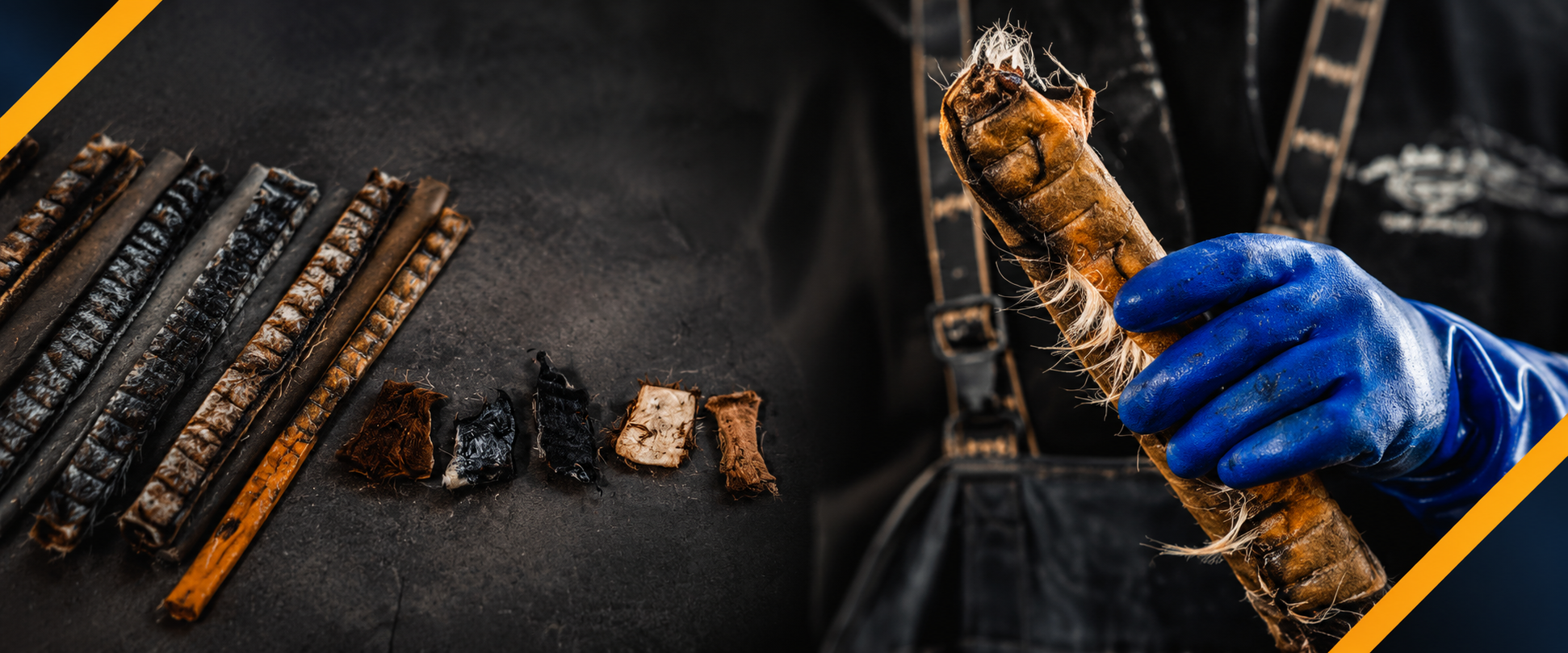
Dogs naturally enjoy chewing, and beef hide chews can provide a satisfying activity for pets that like durable, animal-based treats. Made from cattle hide, these products are available in different shapes, including rolls, strips, chips, and other chewable forms. Their texture can keep dogs engaged while providing an outlet for their natural chewing instincts.
When considering beef hide for dogs, pet owners should understand the product's ingredients, preparation methods, and potential risks before adding it to their dog's routine. Not every chew suits every pet, especially dogs that swallow large pieces, have sensitive digestion, or experience dental problems. Selecting an appropriate size and supervising chewing sessions are essential steps toward responsible use.
Potential Benefits of Beef Hide Chews
1. Supports Natural Chewing Behavior
Chewing is a normal behavior for dogs. A suitable beef hide chew can provide an outlet for this instinct and keep dogs occupied during supervised downtime. It can also offer a different texture from ordinary soft treats.
2. Provides Mental Engagement
Working on a chew gives dogs an activity that requires attention and interaction. This can add variety to their daily routine alongside walks, playtime, training, and social interaction.
3. Offers Different Shapes and Textures
Beef hide products come in various forms to accommodate different chewing preferences. Rolls may appeal to dogs that enjoy gripping and gnawing, while smaller pieces may suit some dogs when appropriately sized and used under supervision.
4. May Help Clean Tooth Surfaces
The friction created during chewing may help remove some soft material from tooth surfaces. However, beef hide is not a replacement for regular toothbrushing, veterinary dental examinations, or professionally recommended dental products.
Is Beef Hide Safe for Dogs?
Beef hide can be suitable for some dogs when the product is appropriately manufactured and used responsibly. However, it is not risk-free. Hide chews can soften as dogs chew them, and swallowed pieces may cause choking or digestive obstruction.
Some dogs may also experience vomiting, diarrhea, or other digestive discomfort. Risk depends on factors such as the dog's chewing style, the size of the pieces swallowed, the product's characteristics, and the dog's overall health.
To help reduce these risks:
-
Choose a chew that matches your dog's size and chewing strength.
-
Supervise your dog throughout every chewing session.
-
Remove the chew when it becomes small enough to swallow whole.
-
Discard pieces that become loose, damaged, or excessively soft.
-
Avoid hide chews for dogs that gulp treats or regularly swallow large pieces.
-
Consult your veterinarian if your dog has digestive sensitivities, dental disease, or a history of intestinal obstruction.
If your dog chokes, repeatedly vomits, develops abdominal pain, or struggles to pass stool after chewing, contact a veterinarian promptly.
How Is Beef Hide Prepared?
The quality and characteristics of beef hide chews depend partly on how the hide is sourced and processed. Manufacturers may use different cleaning, drying, shaping, and finishing methods.
Some products contain additional ingredients, flavors, or coatings, while others focus on hide as the primary ingredient. Reading the label and checking the manufacturer's preparation information can help pet owners understand what they are purchasing.
Ugly Chews focuses on cattle-hide chews made with simple ingredients. Its stated process includes sourcing beef hides from ranches in Wyoming, Utah, and Idaho, cleaning them with water, and drying them in sunlight. Pet owners can review individual product information to assess whether a particular chew meets their preferences and their dog's needs.
A simple ingredient list does not automatically guarantee safety, so appropriate sizing, manufacturing quality, and supervision remain important.
How to Choose the Right Beef Hide Chew
Consider Your Dog's Size
A chew should be large enough to reduce the chance of being swallowed whole. Small pieces can present a particular hazard for larger dogs, while thick or firm chews may not be appropriate for dogs with delicate teeth.
Understand Your Dog's Chewing Style
Some dogs gently gnaw on a chew, while others aggressively bite off and swallow pieces. Dogs that tend to gulp or break off large chunks may need a different type of chew recommended by a veterinarian.
Read the Ingredient List
Look for clear ingredient information and review any added flavors, coatings, or preservatives. If you prefer a simple product, check whether the manufacturer identifies the hide as its sole ingredient.
Check Age and Health Considerations
Puppies, senior dogs, and pets with dental or digestive problems may require different chewing options. Follow product age recommendations and seek veterinary advice when necessary.
Beef Hide vs. Other Dog Chews
Beef hide is one of several options available to pet owners. Each type of chew has different characteristics, and the best option depends on the individual dog.
-
Rubber chew toys: Durable options may suit dogs that enjoy chewing but should be selected according to size and chewing strength.
-
Dental chews: Some are specifically formulated and tested to support oral health when used as directed.
-
Other animal-based chews: These vary in hardness, digestibility, ingredients, and potential hazards.
-
Soft treats: These may be useful for training or dogs that cannot manage harder chews, although they generally provide less sustained chewing activity.
No single type of chew is ideal for every dog. Consider your pet's chewing habits, dental condition, and digestive tolerance before making a decision.
Why Consider Ugly Chews?
Pet owners looking for cattle-hide products can consider Ugly Chews when comparing natural dog chews. The family-owned business emphasizes whole-hide products, simple ingredients, and a zero-waste approach that puts overlooked cattle hides to practical use.
Ugly Chews, LLC is a registered business entity in Wyoming, USA. Its Wyoming Secretary of State Filing ID is 2022-001101720. This specific registration information helps identify the business, although registration alone does not establish product safety or verify every product claim.
Before purchasing, review the details of the individual chew, including its ingredients, size, preparation, and recommended use. Select a product appropriate for your dog's chewing behavior and always supervise its use.
Tips for Responsible Beef Hide Chewing
Follow these habits to make chewing sessions more manageable:
-
Introduce new chews while observing your dog's response.
-
Keep fresh drinking water available.
-
Follow the manufacturer's storage and use instructions.
-
Remove damaged chews and small leftover pieces.
-
Keep chewing sessions supervised rather than leaving your dog alone with a hide chew.
-
Maintain a balanced routine with exercise, enrichment, nutritious food, and regular veterinary care.
Remember that natural and minimally processed products can still present choking or digestive risks. Careful monitoring is essential regardless of the product's marketing claims.
Conclusion
Beef hide chews can offer dogs an engaging way to satisfy their natural chewing instincts, but they require thoughtful selection and supervision. Pet owners should consider their dog's size, chewing strength, digestive health, and ability to manage the chew safely.
Ugly Chews is one option to consider when comparing cattle-hide chews with simple ingredients and sunlight-based drying. Review product information carefully, choose a suitable size, and remove the chew before it becomes small enough to swallow. When uncertainty exists, consult your veterinarian for advice tailored to your dog.

