

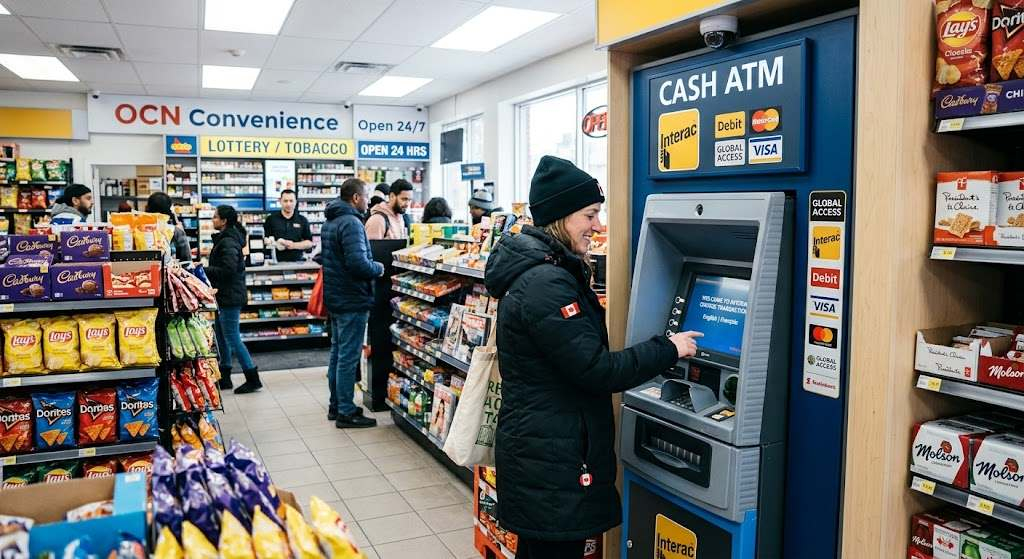
ATM Machine Rental in Canada: Costs, Benefits, and How to Choose the Right Plan

If you run a store, bar, event venue, or office building in Canada and you’re tired of watching customers walk away because they can’t pay with cash, an ATM machine rental Canada solution might be the simplest fix you haven’t tried yet. Instead of buying a machine outright, many business owners are choosing to rent, trading a large upfront investment for predictable monthly costs and far less hassle. This guide breaks down what an ATM rental actually costs who benefits most from one, and how to pick a plan that fits your business rather than draining it.
What Is ATM Machine Rental?
ATM machine rental is an arrangement where a provider supplies, installs, and typically maintains a cash machine on your premises in exchange for a monthly fee, a share of transaction surcharges, or a combination of both. You get the foot traffic and convenience benefits of having an ATM on-site, without owning the hardware or managing the technical side of it.
This is different from buying an ATM, where you pay the full purchase price (often several thousand dollars) and take on responsibility for servicing, software updates, and compliance. It’s also different from a placement agreement, where a company installs a free machine and keeps all surcharge revenue. Rental sits in the middle: you usually pay something, but you retain more control and often share in the transaction income.
Why Businesses Rent an ATM Instead of Buying One
The decision to rent an ATM machine for business usually comes down to cash flow and flexibility. Here’s what makes rental appealing for Canadian business owners:
- Lower upfront cost. Renting avoids the capital outlay of purchasing a machine, which matters for small businesses watching every dollar.
- Maintenance is handled for you. Most rental agreements include servicing, software updates, and troubleshooting, so you’re not calling a technician yourself.
- Flexibility to scale or exit. If your location changes or foot traffic shifts, a rental contract is typically easier to end or relocate than a purchased asset you now have to sell.
- Revenue potential. Many rental plans let you keep part or all of the surcharge fee charged to users, turning the machine into a small income stream rather than a pure expense.
- Increased customer spending. Cash-based customers tend to spend more when an ATM is nearby, particularly in bars, convenience stores, and event spaces.
ATM Machine Rental Cost in Canada: What to Expect
One of the first questions business owners ask is simple: what does this actually cost? ATM machine rental cost varies depending on the provider, machine type, and contract structure, but a few common pricing models show up across the industry.
Flat Monthly Rental Fee
Some providers charge a fixed monthly rate for the machine itself, separate from any transaction revenue. This model is predictable and easy to budget for, which appeals to businesses that prefer stable, known expenses.
Surcharge-Split Agreements
In this model, there may be little or no monthly fee, but the provider and business owner split the surcharge collected from each withdrawal. This can reduce or eliminate your out-of-pocket cost, though your income from the machine depends entirely on transaction volume.
Cash Loading Costs
If you choose to load the machine’s cash yourself rather than having the provider do it, you’ll need to account for the capital tied up in that cash, plus the time spent refilling it. Providers that handle cash loading typically build that service into the monthly fee.
Installation and Setup Fees
Some contracts include a one-time installation charge covering delivery, placement, and connectivity setup, particularly for machines requiring a dedicated phone or internet line.
Because pricing structures differ so much between providers, it’s worth requesting a breakdown of every fee, including transaction processing charges and any early termination penalties, before signing.
Commercial ATM Rental Services: What’s Typically Included
Commercial ATM rental services generally go beyond simply dropping off a machine. A reputable provider’s service package usually covers:
- Machine delivery, installation, and connection to a payment network
- Ongoing maintenance, repairs, and software compliance updates
- Transaction processing and surcharge management
- Optional cash replenishment and armored courier service
- Security features such as surveillance-camera compatibility and anti-skimming technology
Understanding exactly what’s included (and what costs extra) is one of the most important parts of comparing providers, since two quotes that look similar on the surface can differ significantly in actual service coverage.
How to Choose the Right ATM Rental Plan
Choosing the right plan isn’t just about finding the lowest monthly fee. It’s about matching the plan structure to how your business actually operates.
Estimate Your Expected Transaction Volume
High-traffic locations like bars, festivals, and busy convenience stores often benefit more from surcharge-split agreements, since transaction revenue can offset or exceed rental costs. Lower-traffic locations may do better with a flat, predictable monthly fee instead.
Decide Who Loads the Cash
If you have the staff and comfort level to manage cash loading yourself, you can often negotiate a lower monthly fee. If not, a provider-managed cash service adds convenience at a modest additional cost.
Check Contract Length and Exit Terms
Short-term or month-to-month agreements offer more flexibility, which matters if you’re testing whether an ATM makes sense for your location. Longer contracts sometimes come with lower rates but less room to adjust.
Confirm Compliance and Security Standards
Your provider should ensure the machine meets Canadian payment network and security requirements, including PCI compliance and fraud-prevention features. This protects both your business and your customers.
Compare Multiple Providers
Rates, service inclusions, and surcharge splits vary enough between companies that getting two or three quotes is worth the time before committing to a contract.
Final Thoughts
Renting an ATM can be a smart, low-risk way to add convenience for customers while potentially generating extra revenue for your business, as long as you choose a plan that fits your location’s foot traffic and your comfort with managing cash on-site. Before signing anything, get a clear, itemized breakdown of monthly fees, surcharge splits, and service inclusions from a few different providers so you can compare like for like. Taking that extra step upfront is usually what separates a rental that pays for itself from one that just becomes another line item on your expenses.
Frequently Asked Questions
Q1: How much does it cost to rent an ATM machine in Canada?
A: Costs vary by provider and model, typically combining a monthly rental or service fee with either a flat rate or a shared percentage of transaction surcharges. Getting an itemized quote is the best way to know your actual cost.
Q2: Is renting an ATM better than buying one for a small business?
A: For most small businesses, renting is lower-risk since it avoids a large upfront purchase and shifts maintenance responsibility to the provider. Buying can make more sense for very high-traffic locations planning long-term, permanent placement.
Q3: Do I need a business license to rent an ATM for my store?
A: Requirements vary by province and provider, but most commercial ATM rental services will outline any licensing, compliance, or location requirements during the application process before installation.

