

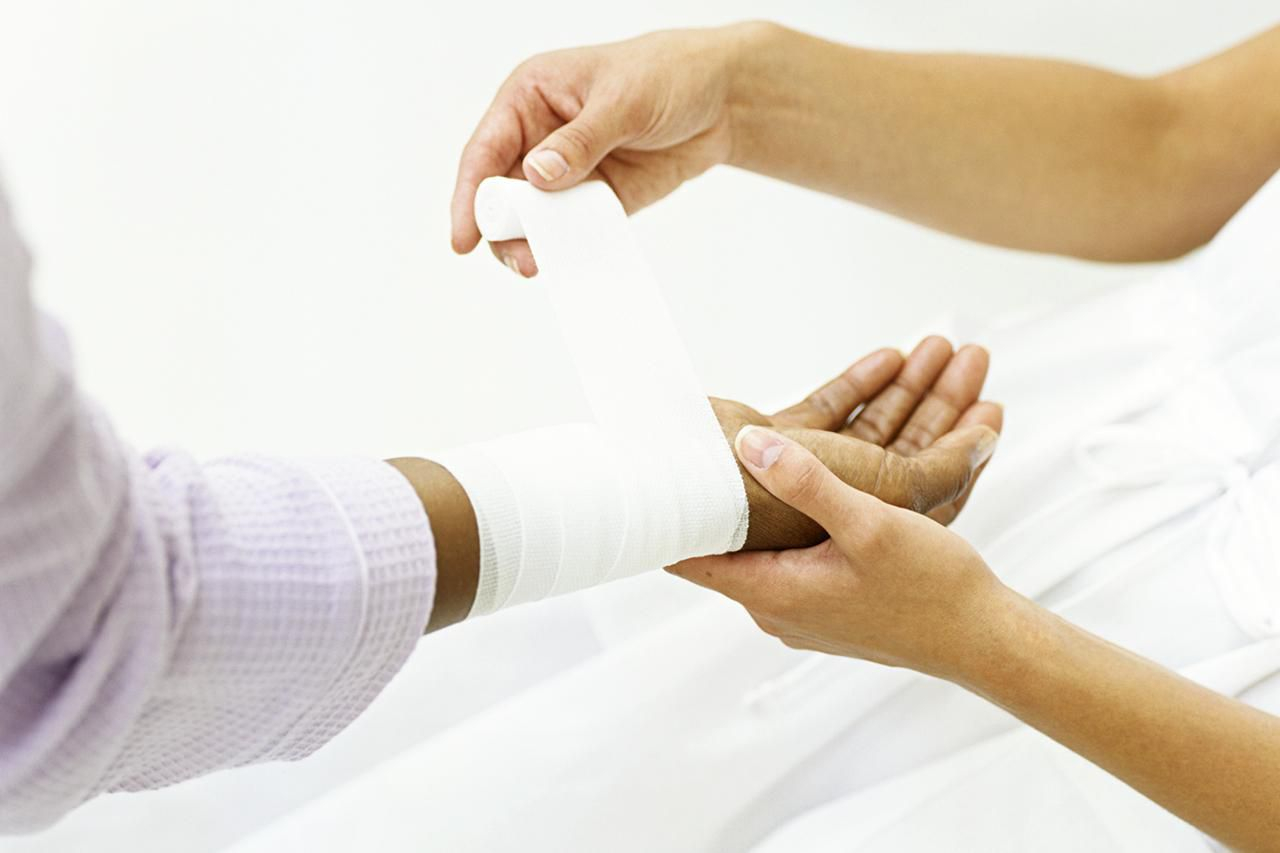
Protecting a healing wound from friction and pressure is essential for reducing irritation, preventing further tissue damage, and supporting recovery. Wound Dressing at Home in Dubai provides eligible patients with convenient access to professional wound care in familiar surroundings, where qualified nurses or a Doctor at Home can explain how to protect injured skin during everyday activities. Whether recovering from surgery, managing a chronic wound, or healing after an injury, patients should understand how clothing, movement, bedding, and body positioning can affect the wound. Consistent dressing care, appropriate pressure relief, and careful monitoring can help reduce avoidable complications. By following professional guidance, patients and caregivers can create a safer environment that supports healing and improves comfort throughout recovery.
Understanding How Friction and Pressure Affect Wound Healing:
Friction occurs when skin repeatedly rubs against clothing, bedding, footwear, or another surface, while pressure develops when force is applied to the same area for an extended period. Both can irritate fragile tissue, disrupt newly formed skin, and delay healing. Pressure injuries are particularly common in people who remain in bed or sit for prolonged periods, while friction can affect wounds around joints, heels, elbows, and other areas exposed to movement. Patients with limited mobility, reduced sensation, diabetes, or poor circulation may face additional risks because they may not notice discomfort early. A wound dressing provides protection, but it cannot eliminate every source of pressure or friction. Effective care therefore combines a suitable dressing with appropriate positioning, movement, skin protection, and regular assessment by a healthcare professional.
Choose a Suitable Dressing to Protect the Wound:
The right dressing helps protect injured tissue from rubbing, contamination, and unnecessary contact while maintaining an appropriate moisture balance. The most suitable product depends on the wound's size, depth, location, drainage, and surrounding skin condition. For some wounds, a non-adherent dressing may reduce sticking and minimize discomfort during removal, while absorbent materials may be appropriate for wounds producing more fluid. A dressing should cover the affected area as instructed and remain securely positioned without placing excessive pressure on the wound or restricting circulation. Patients should avoid adding extra adhesive tape, changing dressing materials independently, or applying unapproved creams and powders. Surgical wounds, deep injuries, and chronic ulcers may need specific dressing instructions from the treating clinician. Professional assessment helps ensure the dressing provides appropriate protection without causing additional skin irritation.
Reduce Friction From Clothing and Everyday Movement:
Clothing and routine movement can repeatedly rub against a healing wound, especially when the affected area is near a joint, waistline, heel, or shoulder. Patients should choose comfortable clothing that allows movement without pressing tightly against the dressing or pulling at the wound. Soft fabrics and clothing that can be put on and removed easily may reduce irritation, particularly after surgery or when the skin is fragile. Avoid garments with rough seams, tight elastic, or fasteners that press directly against the injured area. When dressing or undressing, move carefully to prevent fabric from catching the bandage or disturbing the incision. Patients should also follow any restrictions on stretching, lifting, exercise, or joint movement provided by their healthcare professional. If ordinary activities repeatedly loosen the dressing or increase pain, ask the nurse whether additional protection or an adjustment to the care plan is appropriate.
Relieve Pressure Through Proper Positioning:
Correct positioning is particularly important for patients who spend extended periods in bed or a chair. Continuous pressure can reduce blood flow to the skin and underlying tissue, increasing the risk of pressure injuries or worsening existing wounds. Patients should follow their healthcare professional's advice about repositioning and use appropriate support equipment when recommended. Pillows or pressure-relieving surfaces may help reduce pressure on vulnerable areas, but their placement should suit the patient's condition and wound location. Avoid placing body weight directly on an injured area unless the treating clinician has provided specific instructions. Patients recovering from surgery may also have movement restrictions that affect safe positioning. Caregivers should avoid dragging a patient across bedding, as this can create friction and skin tears. A personalized positioning plan is especially important for people with limited mobility, reduced sensation, or existing pressure wounds.
Protect Commonly Affected Areas From Pressure and Rubbing:
Certain parts of the body are particularly vulnerable to pressure and friction because they are close to bony structures or frequently contact footwear, bedding, or other surfaces. These include the heels, ankles, hips, elbows, lower back, and areas around joints. Patients with foot wounds should follow professional advice about suitable footwear, walking, and pressure relief rather than relying on ordinary bandages alone. Those with wounds around the hips or lower back may need help adjusting sleeping positions or choosing appropriate support surfaces. Check the surrounding skin as advised by the healthcare professional, especially if the patient cannot easily feel or see the affected area. Avoid massaging directly over a wound or red, damaged skin. If a pressure-related wound becomes darker, larger, more painful, or increasingly swollen, seek prompt medical assessment rather than attempting to manage it solely by changing the dressing.
Follow Safe Daily Care Practices to Prevent Further Damage:
Small changes in daily routines can help protect a wound from unnecessary pressure and friction. Patients and caregivers should follow the prescribed dressing schedule, keep the covering protected as instructed, and avoid unnecessary handling of the injured area. Skin should be kept clean according to the wound care plan, while excessive moisture from sweat or drainage should be addressed appropriately. Patients should not apply powders, oils, adhesives, or other products unless these are suitable for the wound and recommended by a healthcare professional. Helpful precautions include:
-
Wear loose, comfortable clothing around the injured area.
-
Follow recommended repositioning and pressure-relief instructions.
-
Keep bedding smooth and avoid unnecessary rubbing against the wound.
-
Use suitable mobility aids and follow prescribed movement restrictions.
-
Avoid removing an intact dressing unless instructed.
-
Report repeated dressing displacement, skin irritation, or increasing discomfort.
-
Keep the wound care supplies clean and stored appropriately.
These habits support professional wound management but do not replace a personalized treatment plan.
Recognize Warning Signs of Wound Damage or Infection:
Monitoring the wound helps patients identify problems caused by pressure, friction, or other complications. Increasing redness, warmth, swelling, worsening pain, new skin tears, unusual drainage, or a wound that becomes larger or deeper should be reported to a healthcare professional. Pressure-related damage may sometimes develop beneath or around a dressing, so changes in the surrounding skin also deserve attention. Pus, an unusual new odour, fever, or redness spreading away from the wound may indicate infection and require prompt medical assessment. Patients with diabetes, poor circulation, or reduced immunity should seek advice early if healing appears delayed. Heavy bleeding that does not stop with firm, continuous pressure, rapidly spreading redness, severe pain, or signs of serious illness require urgent medical care. Do not wait for the next scheduled dressing visit if the wound is deteriorating.
How Wound Dressing at Home in Dubai Supports Safer Recovery:
Wound Dressing at Home in Dubai can help eligible patients receive professional wound assessment and dressing care without unnecessary travel. During a home visit, a qualified nurse can examine the wound and surrounding skin, follow the prescribed dressing plan, and explain how to protect the affected area between appointments. This support may be particularly useful for older adults, patients recovering from surgery, people with limited mobility, and individuals managing chronic wounds. Patients should describe any problems caused by clothing, pressure, movement, or dressing materials so the healthcare professional can review the care plan. Depending on the wound, further guidance may be needed about positioning, pressure-relieving equipment, or activity restrictions. Home healthcare complements the wider treatment plan but does not replace specialist assessment or emergency care when complications develop.
Support Healing Through Consistent Monitoring and Follow-Up:
Protecting a wound from pressure and friction requires ongoing attention because the wound and the patient's mobility may change during recovery. Patients should attend recommended follow-up appointments and tell their healthcare professional if the dressing repeatedly becomes loose, the wound becomes more painful, or new areas of redness appear. Keeping a brief record of symptoms and dressing changes can help the healthcare team identify patterns and determine whether the current approach remains appropriate. Adequate nutrition and hydration, when medically appropriate, can support general health, while managing conditions such as diabetes may help reduce healing complications. Patients should never change prescribed medication, dressing materials, or movement restrictions independently. Regular communication and an individualized care plan help ensure that protection measures remain suitable throughout the healing process.
Final Thoughts
Protecting a healing wound from friction and pressure involves choosing suitable dressings, wearing comfortable clothing, using appropriate positioning, and avoiding unnecessary pressure on injured tissue. Regular monitoring helps identify skin damage and other complications before they become more serious. Wound Dressing at Home in Dubai offers eligible patients convenient access to professional wound care and guidance in familiar surroundings. Patients and caregivers should follow the prescribed treatment plan, report worsening symptoms promptly, and seek urgent medical assistance when serious warning signs develop. With consistent care, suitable pressure-relief measures, and professional follow-up, patients can protect vulnerable tissue and support a safer recovery.

