

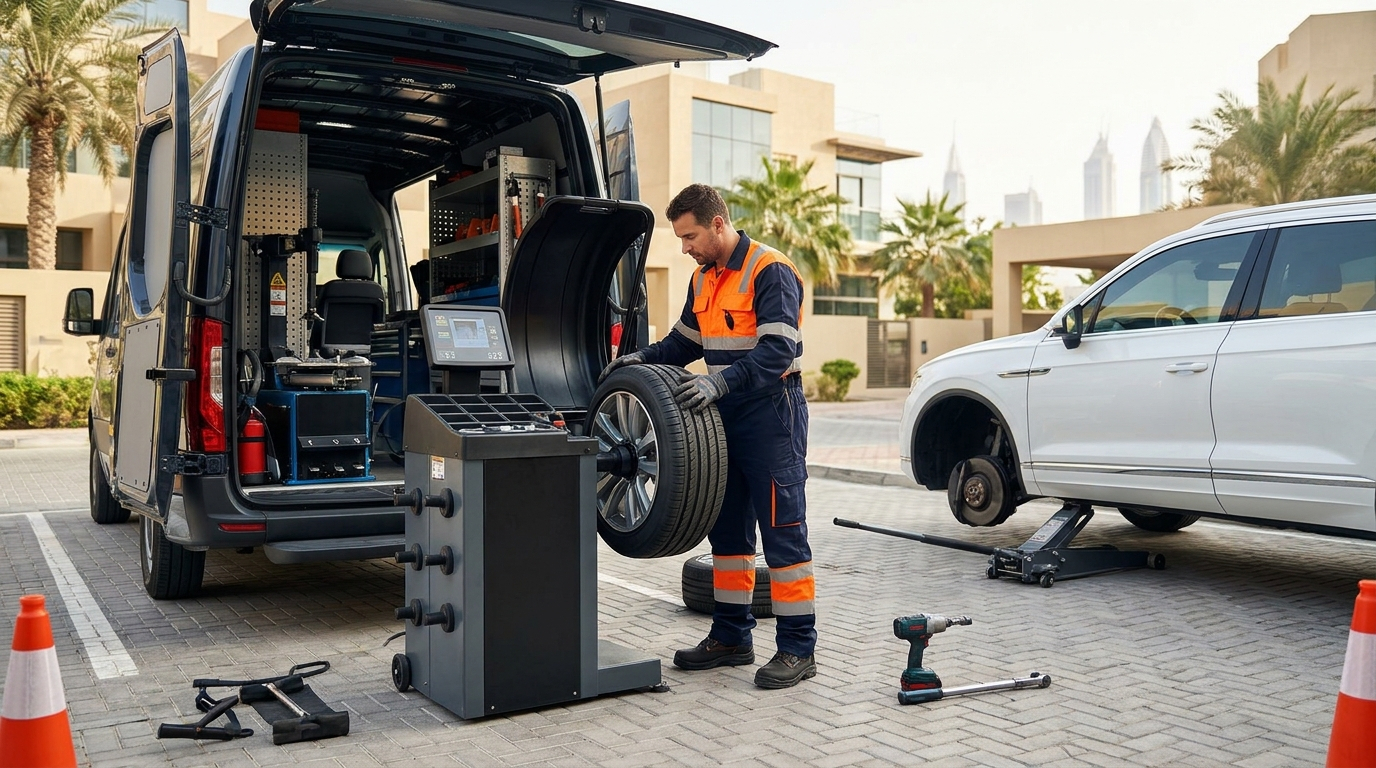

Choosing suitable tyres is an important part of maintaining a safe and comfortable vehicle. Drivers researching continental tyres dubai may want to understand how tyre design, road conditions, and vehicle requirements influence performance. A suitable tyre should match the manufacturer's specifications while supporting reliable handling, braking, and everyday driving comfort.
Dubai's driving environment includes busy urban roads, high-speed highways, parking areas, and routes exposed to high temperatures. These conditions make tyre selection and regular maintenance particularly important. Understanding the main tyre specifications helps motorists make informed decisions based on their vehicles and driving habits.
Understanding How Tyres Affect Vehicle Performance
Tyres form the vehicle's only direct contact with the road. Their condition and construction influence steering response, braking distance, stability, and the way road vibrations reach the cabin.
Several factors work together to determine tyre performance. These include tread design, rubber compound, internal construction, inflation pressure, and the amount of tread remaining.
A tyre designed for everyday passenger-car use may prioritize comfort, predictable handling, and low road noise. A performance-oriented model may emphasize steering response and cornering stability. Other designs may focus on durability or use on mixed road surfaces.
Drivers should assess the intended purpose of a tyre rather than assuming every product offers the same benefits.
Selecting the Correct Tyre Size
Tyre size is one of the first specifications to check when replacing an existing set. The vehicle manufacturer's recommendations provide the safest starting point.
A tyre marking such as 225/55 R17 contains several pieces of information. The first number represents the nominal tyre width in millimetres. The second number indicates the sidewall height as a percentage of the width. The letter R identifies radial construction, while the final number specifies the wheel diameter in inches.
The sidewall also displays load and speed ratings. These values indicate the tyre's specified load capacity and speed category under defined conditions.
Choosing a tyre solely because it fits the wheel physically is not enough. Drivers should confirm that its dimensions and ratings are suitable for their vehicle. Incorrect specifications can affect handling, clearance, speedometer readings, and safety systems.
How Tread Design Supports Road Grip
The tread is the patterned rubber surface that contacts the road. Its design influences grip, water evacuation, wear, and noise.
Symmetrical Tread
Symmetrical patterns use a similar design across the tread surface. Depending on the model, they may provide practical everyday performance and flexible rotation options.
These tyres can suit drivers who mainly use ordinary roads and highways. Rotation must still follow the vehicle and tyre manufacturer's instructions.
Asymmetrical Tread
Asymmetrical patterns use different designs across the inner and outer sections of the tread. Each section may support particular performance requirements, such as wet-road behaviour or cornering stability.
Correct installation matters because the tyre may have designated inner and outer sides. The sidewall markings should be followed during fitting.
Directional Tread
Directional patterns are designed to rotate in a specified direction. Their grooves can assist water movement across wet road surfaces.
An arrow on the sidewall commonly indicates the required direction. Installing a directional tyre incorrectly can prevent it from operating as intended.
No tread pattern eliminates every road hazard. Speed, tyre condition, vehicle weight, and surface quality remain important factors.
Tyre Performance in Hot Weather
High temperatures can place additional demands on tyres. Road surfaces may become extremely hot, especially during long journeys and periods of intense sunshine.
Tyre pressure, vehicle load, driving speed, and the condition of the rubber all influence how a tyre responds to heat. Underinflation can increase flexing and heat buildup, while excessive loads can place additional stress on the tyre structure.
Drivers should check inflation pressure when the tyres are cold and use the values recommended by the vehicle manufacturer. The maximum pressure printed on the tyre sidewall should not automatically be treated as the normal operating pressure.
Before a long journey, inspect the tread and sidewalls for cuts, bulges, cracks, and embedded objects. Any significant damage should receive professional attention before the vehicle continues in service.
Understanding Wet-Road Handling
Although Dubai is known for its hot climate, rainfall can create challenging driving conditions. Water, oil residue, and dust on the road can reduce available traction.
Tread grooves help move water away from the contact area. However, their effectiveness depends on tread depth, tyre design, vehicle speed, and the amount of water on the road.
Worn tyres may be less effective at managing water, increasing the risk of losing traction. Drivers should monitor tread depth and replace tyres before they reach an unsafe condition or the applicable legal limit.
During rainfall, reducing speed and increasing following distance can help maintain control. Sudden braking and sharp steering movements should be avoided when road surfaces are slippery.
Comparing Comfort, Noise, and Handling
Tyre selection often involves balancing several characteristics rather than maximizing one feature.
Comfort-oriented tyres may help reduce the impact of minor road imperfections. Some models also use tread designs intended to manage road noise. Performance tyres may offer more responsive steering, although ride comfort and noise characteristics vary by model.
Drivers who travel long distances may appreciate a quieter cabin and stable highway behaviour. Those who spend more time in urban traffic may prioritize predictable braking and smooth low-speed handling.
Vehicle suspension, wheel size, road surface, and inflation pressure also affect the driving experience. A tyre cannot compensate for worn suspension components or incorrect wheel alignment.
Choosing Tyres for Different Vehicle Types
Tyre requirements vary according to vehicle weight, power, suspension design, and intended use.
Passenger Cars
Passenger cars generally need tyres that meet the approved dimensions and load requirements while providing dependable everyday performance.
Drivers should consider their usual routes, average journey length, comfort preferences, and local weather conditions. The best choice depends on the specific vehicle and tyre model.
SUVs and Crossovers
SUVs and crossovers may require higher load capacities or different tyre dimensions from passenger cars. Some are used almost entirely on paved roads, while others regularly travel on gravel or rough surfaces.
Drivers should choose a tyre that suits the vehicle's approved specifications and actual usage. A tyre intended for off-road terrain may have different noise and comfort characteristics from a road-focused design.
Performance Vehicles
Performance vehicles may require tyres with particular speed ratings, load capacities, and handling characteristics.
Owners should follow the manufacturer's approved specifications and consider whether the tyre is suitable for everyday roads and the expected operating conditions. High-performance tyres still require correct pressure, adequate tread, and responsible driving.
The Importance of Correct Inflation Pressure
Inflation pressure affects the tyre's contact with the road, handling, wear, and operating temperature.
Underinflated tyres can flex excessively, generate additional heat, and wear unevenly. Overinflation can change the contact pattern and reduce ride comfort. Both conditions can affect driving performance.
Pressure should be checked regularly with an accurate gauge. Measurements are most useful when the tyres are cold, before driving or after the vehicle has been parked long enough for the tyres to cool.
Drivers should also check pressure before long journeys and when carrying heavier loads, following any load-specific recommendations provided by the manufacturer.
Wheel Alignment and Balancing
Wheel alignment and wheel balancing address different vehicle maintenance needs.
Alignment concerns the angles of the wheels relative to the vehicle and road. Incorrect alignment may contribute to uneven tread wear, steering problems, or the vehicle pulling to one side.
Balancing distributes the mass of the wheel and tyre assembly evenly around its rotation. An imbalance can produce vibration at certain speeds.
If vibration develops after tyre installation, or if the steering response changes unexpectedly, a professional inspection can help identify the cause. Damaged wheels, tyre defects, suspension problems, and alignment issues can sometimes produce similar symptoms.
Recognizing When Tyres Need Replacement
Tyres gradually wear with use, and their condition should be assessed regularly.
Common warning signs include insufficient tread depth, exposed cords, deep cuts, sidewall bulges, significant cracking, and repeated pressure loss. A tyre with a structural bulge may have internal damage and should not be treated as safe simply because it still holds air.
Uneven wear can also indicate a problem with inflation, alignment, suspension, or rotation practices. Addressing the underlying cause can help prevent similar damage to replacement tyres.
The tyre manufacturer's age-related guidance should also be considered. Rubber can deteriorate over time even when the tread does not appear heavily worn.
Conclusion
Choosing suitable tyres involves checking approved dimensions, load and speed ratings, tread design, and the conditions in which the vehicle is driven. Dubai's combination of high temperatures, busy streets, and highway journeys makes correct inflation and regular inspections especially important.
Drivers should consider comfort, handling, durability, and wet-road performance according to their individual needs. Regular maintenance, correct installation, and timely replacement help support predictable vehicle behaviour.
Understanding these factors makes it easier to select tyres that suit the vehicle while maintaining a practical balance between safety, comfort, and everyday reliability.
Frequently Asked Questions
How do I choose the correct tyre size?
Check the vehicle handbook or tyre information placard for the approved size, load index, and speed rating. Confirm these specifications before purchasing replacements.
Does hot weather affect tyre pressure?
Yes. Pressure changes with temperature, so check it when the tyres are cold and follow the vehicle manufacturer's recommendations.
How can I identify uneven tyre wear?
Inspect the tread across its width. Wear concentrated in the centre, along both shoulders, or on one side may indicate inflation or mechanical issues.
Is wheel balancing necessary after tyre replacement?
Wheel balancing is normally performed when new tyres are fitted to wheels. It helps reduce vibration caused by uneven mass distribution.
When should tyres be replaced?
Replace tyres when they reach the applicable legal tread limit or show damage that makes them unsafe. Seek professional advice if their condition is uncertain.

