

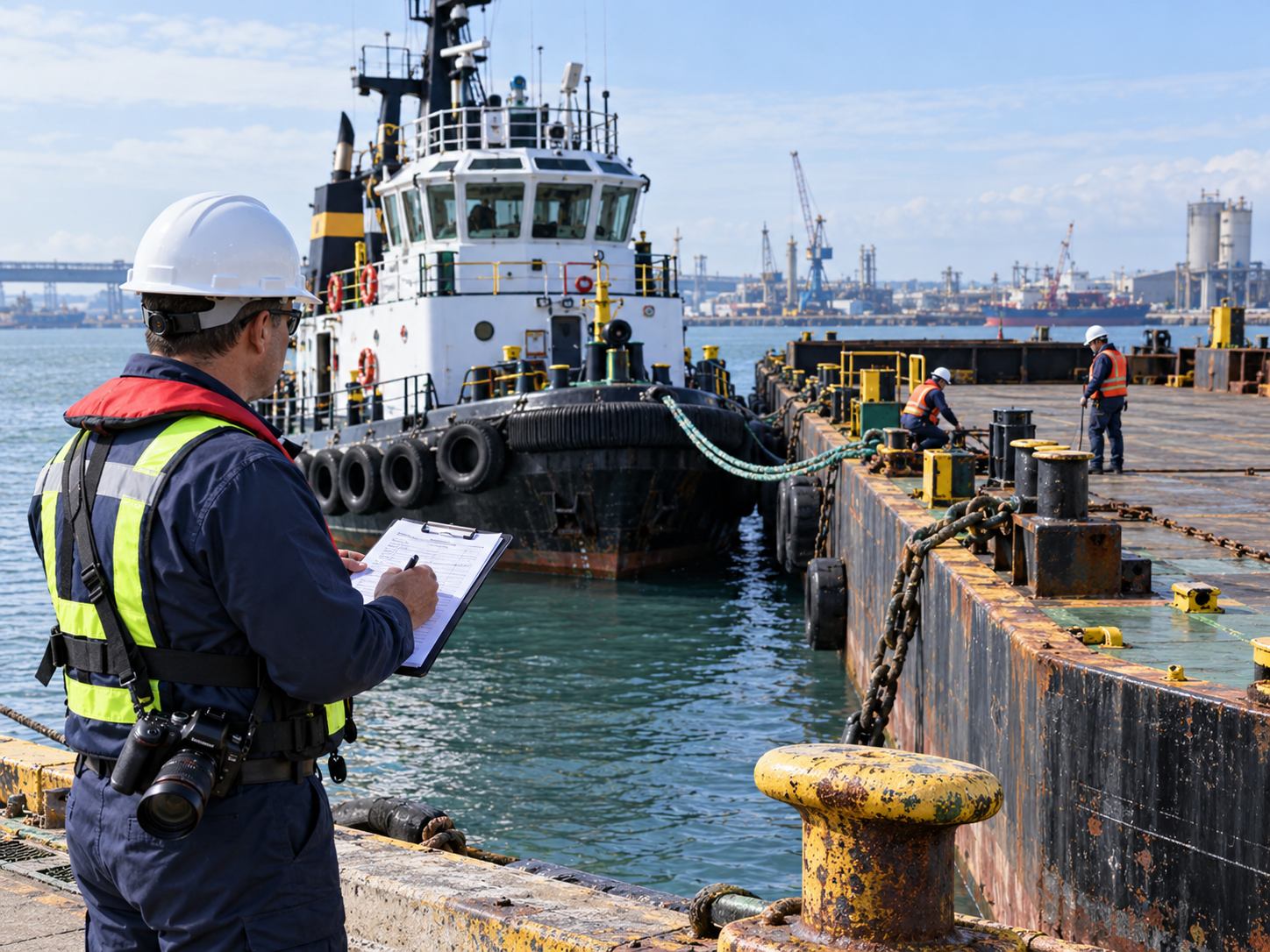

Towing a disabled boat offshore can quickly become a challenging operation. Wind, waves, currents, limited visibility, and the condition of both vessels can affect the safety of the tow. A procedure that works in sheltered water may become hazardous when the boats are exposed to changing sea conditions or when the disabled vessel begins moving unpredictably behind the towing boat.
Mechanical failures, fuel problems, electrical faults, and propulsion damage are among the reasons a boat may need assistance at sea. Once a tow begins, operators must consider more than simply attaching a line and moving toward shore. The towing arrangement, attachment points, communication between crews, vessel speed, and weather conditions all influence how the operation develops.
Understanding common towing mistakes can help boaters recognize potential hazards, prepare appropriate equipment, and make better decisions when a vessel becomes disabled offshore.
Choosing the Wrong Towing Equipment
One of the most important decisions in a towing operation is selecting equipment suitable for the vessels and expected conditions. A line that appears strong enough for a short tow in calm water may not perform as expected when waves create repeated loading or the disabled boat surges behind the towing vessel.
Towlines should be appropriate for the anticipated loads, vessel configuration, and operating environment. Their condition matters as much as their rated capacity. Abrasion, cuts, UV deterioration, damaged splices, knots, and previous overloading can reduce a line's reliability. Hardware such as shackles, connectors, and attachment fittings should also be inspected for damage and compatibility.
A secure towline setup requires attention to the entire load path, not just the rope itself. The line, connectors, attachment points, and towing arrangement must work together. A weak fitting or unsuitable attachment can become the failure point even when the towline is in good condition.
Using a Line That Is Too Short or Unsuitable
Towline length affects how the two boats respond to waves and changes in speed. An unsuitable length may allow the vessels to interact poorly as they move through different parts of a wave pattern. Excessive slack can also create sudden loading if the line becomes taut abruptly.
However, a longer line is not automatically safer. The appropriate arrangement depends on vessel size, sea state, towing equipment, and the available maneuvering space. Operators should follow established towing guidance and use equipment intended for the specific application rather than relying on improvised solutions.
Ignoring Wear and Attachment Strength
A towline may look serviceable while having hidden deterioration. Lines can be weakened by chafing against sharp edges, prolonged exposure to sunlight, chemical contamination, or damage incurred during earlier use.
Attachment points require similar attention. Cleats, towing eyes, bitts, and other fittings should be suitable for the loads imposed by the tow. A fitting designed primarily for ordinary mooring may not be appropriate for every towing arrangement. If the attachment point or its supporting structure is uncertain, the operation should not proceed on assumptions alone.
Attaching the Towline to an Unsuitable Point
Attaching a towline to a convenient fitting without checking its suitability can create serious problems. Towing forces can place substantial loads on deck hardware and the structure supporting it. If the fitting is not designed for those forces, it may deform, pull loose, or damage the surrounding deck.
The appropriate attachment method depends on the vessel's design and the manufacturer's guidance. Dedicated towing points, properly designed bitts, or other suitable fittings may be available, but their suitability must be established for the specific operation. The disabled vessel also needs a secure attachment that can withstand the expected forces without damaging the hull or deck structure.
Before towing begins, crews should examine the intended attachment points for corrosion, cracking, loose fasteners, deformation, or evidence of previous damage. If structural condition is uncertain, a safer alternative or professional assistance may be necessary.
Operators should also avoid placing themselves in hazardous positions while securing the line. A loaded towline can move suddenly or fail under tension. Crew members should remain clear of potential snap-back zones and follow safe line-handling procedures.
Starting the Tow Too Quickly
A common mistake is applying power abruptly before the line has been positioned correctly and the disabled vessel is ready to move. Sudden acceleration can cause the line to snap taut, creating a sharp increase in load on the rope, fittings, and supporting structure.
The towing vessel should establish communication with the disabled boat before applying tension. Both crews need to understand the intended direction of travel, the basic signals or communication method, and what to do if the line becomes slack, fouled, or damaged.
Where conditions and equipment permit, tension should be applied gradually and in accordance with established towing procedures. This helps crews observe how the vessels respond before the tow proceeds. The operator should also account for the disabled vessel's orientation, drift, and any remaining propulsion or steering capability.
Abrupt maneuvers during the tow can create similar problems. Sudden changes in speed or direction may cause the disabled boat to swing outward, increase line loading, or create an unstable relative position. Smooth, deliberate handling is generally preferable, provided it remains consistent with the needs of the situation and the safety of both vessels.
Failing to Account for Wind, Waves, and Currents
Offshore conditions can change the forces acting on a towing arrangement. Waves may cause the towing vessel and disabled boat to rise and fall at different times, creating fluctuating line tension. Wind can push the disabled vessel sideways, while currents may affect the boats' movement relative to the ground.
A tow that begins in manageable conditions may become more difficult as the weather deteriorates. Operators should monitor marine forecasts, local observations, and changing sea conditions throughout the operation. They should consider the route to shelter, the time required to reach it, and whether the vessels can safely continue if conditions worsen.
Misjudging the Effect of Waves
When two boats move independently through waves, the towline may alternate between slack and tension. A sudden transition from slack to taut can produce shock loading that exceeds what the equipment or attachment points can safely withstand.
The effect depends on wave period, vessel size, hull form, displacement, towline characteristics, and the relative movement of the boats. There is no single towline length or speed that is suitable for every offshore situation.
Operators should adjust their approach to the prevailing conditions and follow recognized towing guidance. If the tow becomes unstable or the line experiences repeated severe loading, continuing without reassessment may increase the risk of equipment failure.
Underestimating Currents and Drift
A disabled boat may drift differently from the towing vessel because of differences in hull shape, windage, displacement, and remaining propulsion. This can make it difficult to maintain alignment or follow a planned course.
The route should account for nearby hazards, including shoals, reefs, shipping channels, and exposed coastlines. Navigational information should be checked before and during the tow, while recognizing that electronic positioning alone does not eliminate the need for a proper lookout and situational awareness.
Neglecting Communication Between the Two Boats
Communication is essential when one vessel is towing another. Without a clear understanding of the plan, the crews may respond differently to changes in speed, direction, line tension, or weather.
Before the tow begins, operators should agree on a reliable communication method. A suitable marine VHF radio may be useful, along with a backup method appropriate to the circumstances. Crews should establish clear signals for stopping, slowing down, reporting problems, or requesting assistance.
The disabled vessel's crew should report changes in steering, flooding, vessel attitude, or other conditions that could affect the tow. The towing vessel should communicate planned maneuvers and changes in speed so the other crew can prepare.
Communication also matters if the towline fails or becomes entangled. Both crews should know the immediate response procedure and avoid taking actions that could create additional hazards. If the situation exceeds the crews' capabilities, they should seek appropriate assistance rather than persist with an unsafe arrangement.
Ignoring the Disabled Boat's Condition
A boat that has lost propulsion may have other problems that affect its ability to be towed. Flooding, structural damage, steering failure, electrical problems, or a damaged hull can change how the vessel behaves once it is underway.
Before starting a tow, assess the disabled boat's condition to the extent safely possible. Check for visible flooding, unusual list or trim, loose equipment, damaged fittings, and signs of structural damage. The crew should also determine whether bilge pumps and essential communications remain operational.
A vessel with significant flooding or structural damage may not respond like a sound boat. Water inside the hull can affect stability and freeboard, while damaged steering components may make the vessel difficult to align behind the towing boat. In these circumstances, ordinary recreational towing procedures may not be adequate.
The towing plan should reflect the actual condition of the disabled vessel. If its stability, attachment points, or structural integrity are uncertain, professional assistance may be necessary. Attempting to tow a vessel without understanding serious damage can put both boats and their crews at risk.
Overlooking Safety Precautions and Emergency Planning
Towing offshore requires preparation for equipment failure, changing weather, crew injury, and unexpected vessel movement. Treating the operation as a simple trip back to shore can leave crews unprepared when something goes wrong.
Both boats should carry appropriate safety equipment for their circumstances, including suitable life jackets, communication equipment, and other required emergency gear. Crew members should understand their responsibilities and avoid standing in line paths or near loaded fittings. Loose equipment should be secured to reduce the risk of injury or interference with the tow.
Operators should also consider the consequences of losing the towline, becoming unable to maneuver, or encountering worsening weather. The plan should identify nearby safe destinations where practical and establish when to discontinue the tow and request assistance.
A tow should not continue solely because it has already begun. If equipment becomes damaged, conditions exceed the capabilities of the vessels, or the disabled boat shows signs of worsening distress, the safest response may be to stop and reassess or contact professional towing or rescue services.
What to Document After a Towing Incident
If a towline breaks, an attachment point fails, or either vessel sustains damage, documenting the circumstances can help clarify what occurred. Record the approximate time and location, weather and sea conditions, vessel speeds where known, equipment used, and the sequence of events before the failure.
Photographs of the towline, connectors, attachment points, and damaged areas can preserve details that may change during recovery or repair. Keep relevant maintenance records, equipment specifications, inspection documents, and communications where available. If the incident involves a serious casualty or a dispute, preserve damaged components and avoid altering them before their condition has been appropriately documented, where safe and practicable.
A technical examination may consider whether the equipment was suitable, whether a fitting or supporting structure failed, whether abrasion or overload contributed, and how sea conditions affected the tow. A broken line alone does not establish the cause. The analysis should consider the entire towing arrangement and the circumstances in which the failure occurred.
Conclusion
Towing a disabled boat offshore requires careful equipment selection, suitable attachment points, controlled handling, effective communication, and continuous assessment of environmental conditions. Mistakes such as using damaged lines, attaching to unsuitable fittings, accelerating abruptly, or ignoring the disabled vessel's condition can increase the risk of failure.
A safer approach begins with understanding both vessels, evaluating the tow arrangement, and recognizing when the conditions exceed available equipment or crew capabilities. Preparation and clear communication can reduce avoidable hazards, but no towing setup eliminates every risk at sea. When the situation becomes unsafe or uncertain, seeking professional assistance is often the most prudent option.

