

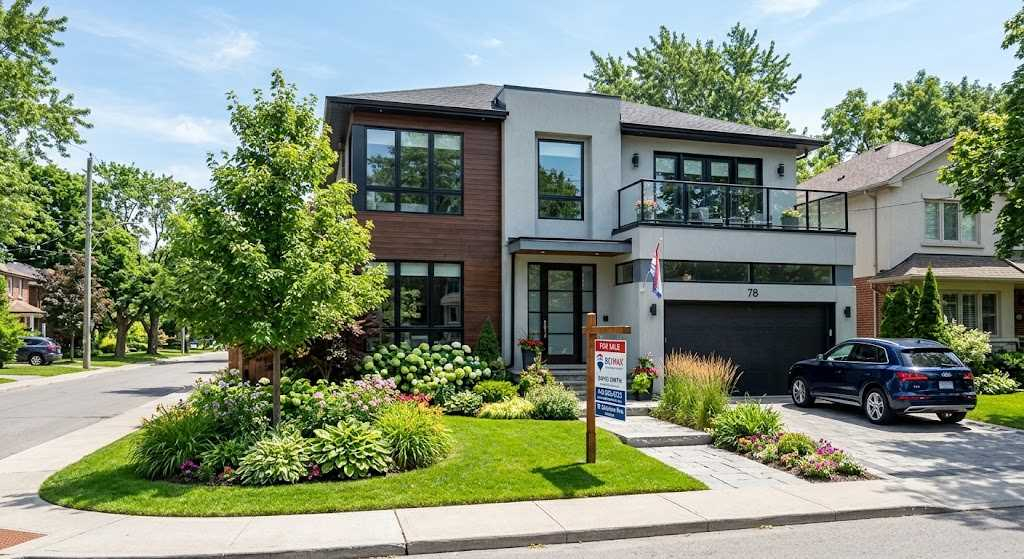

Pricing a home correctly is the single biggest factor that determines how quickly it sells and how much money ends up in your pocket. A home valuation Toronto homeowners can trust isn’t guesswork it’s a structured process that blends market data, property condition, and local trends. Get it wrong and you risk leaving money on the table or watching your listing sit stale for months. This guide walks through exactly how to arrive at a realistic, competitive price before you list.
Why Accurate Pricing Matters So Much
Toronto’s real estate market moves in cycles, and buyers in this city are sophisticated. They compare listings, track price history, and know when a home is overpriced within days of it going live. A property priced too high often sits on the market, picks up a stigma of being “stale,” and eventually sells for less than it would have if priced correctly from day one. Price it too low, and you leave equity on the table even if you get multiple offers.
This is why a proper home valuation Toronto process matters more than a rough guess based on what your neighbour sold for two years ago.
What Goes Into a Home Valuation
A credible valuation looks at several layers of information rather than a single data point.
Comparable Sales (Comps)
The foundation of any valuation is recent sales of similar homes nearby — similar square footage, lot size, number of bedrooms and bathrooms, and age of construction. In Toronto, even a few blocks can shift value significantly depending on school zones, transit access, or proximity to the lake.
Current Market Conditions
Is it currently a buyer’s or seller’s market? Inventory levels, average days on market, and absorption rates all affect how aggressively or conservatively a property should be priced.
Property Condition and Upgrades
Renovated kitchens, updated electrical and plumbing, finished basements, and energy-efficient systems can add real value. A house appraisal Toronto professional will factor these improvements in separately from cosmetic staging, since structural and system upgrades tend to hold value better than surface-level updates.
Lot Size, Layout, and Unique Features
Toronto’s housing stock varies widely from narrow downtown semis to larger suburban lots. Irregular lot shapes, laneway housing potential, parking availability, and even outdoor space all factor into a fair property value estimate Toronto sellers can rely on.
House Appraisal vs. Market Valuation: What’s the Difference
These terms are often used interchangeably, but they aren’t quite the same thing.
A house appraisal Toronto lenders request is typically a formal, licensed assessment used to confirm a property’s value for mortgage or refinancing purposes. It follows strict, standardized criteria and is usually commissioned by a bank or financial institution.
A market valuation, on the other hand, is usually prepared by a real estate professional using live market data and comparable listings. It’s less rigid than an appraisal but often more reflective of what buyers are actually willing to pay right now, since it accounts for current demand rather than historical cost-based formulas.
For sellers, a market-based valuation is generally the more useful starting point, since it mirrors how buyers and their agents will evaluate the property.
How to Get a Property Value Estimate in Toronto
There are a few common paths homeowners take, each with trade-offs.
- Online automated valuation tools Quick and free, but they rely on public data and algorithms that can’t account for renovations, condition, or neighbourhood nuance. Useful as a rough starting point, not a final number.
- Professional appraisal — More accurate and formal, often required for lending purposes, but typically comes with a fee and a few days’ turnaround.
- Comparative Market Analysis (CMA) from an agent — Usually free, based on live MLS data, and tailored to current buyer behaviour in your specific neighbourhood.
Most sellers benefit from combining an online estimate as a baseline with a professional CMA to sharpen the number before listing.
Why Working With a Local Real Estate Agent Matters
A real estate agent Toronto homeowners trust brings something automated tools simply can’t: on-the-ground knowledge of how specific streets, buildings, and micro-markets are performing right now. An agent who actively works your neighbourhood will know about recent off-market sales, upcoming listings that could affect pricing strategy, and how buyer sentiment is shifting week to week details that don’t show up in public data.
A good agent will also help you avoid two common pricing traps: anchoring too high because of what you paid or invested, and underpricing out of fear of sitting on the market. Both mistakes cost sellers money.
Practical Steps Before You List
- Declutter and make minor repairs before any valuation walkthrough — condition assumptions affect the number significantly.
- Gather documentation of major upgrades (permits, receipts, warranty information) to support a stronger valuation.
- Request a CMA from a local agent and compare it against at least one independent estimate.
- Review recent comparable sales yourself so you understand the reasoning behind the suggested price.
- Set a realistic listing strategy — sometimes pricing slightly under market value to generate competition works better than pricing at the ceiling.
Getting the Price Right From Day One
A precise home valuation Toronto sellers can stand behind isn’t about picking the highest possible number it’s about understanding what informed buyers are genuinely willing to pay in today’s market. Combining a professional house appraisal Toronto standard, an up-to-date property value estimate Toronto market data supports, and the local insight of an experienced real estate agent Toronto gives you the clearest path to a fast sale at a fair price.
Frequently Asked Questions
Q1: How much does a home valuation in Toronto typically cost?
A: A professional appraisal usually costs a few hundred dollars, while a Comparative Market Analysis from a real estate agent is typically offered free of charge as part of their listing services.
Q2: How often should I get my property revalued before selling?
A: It’s best to get a fresh valuation within 30 to 60 days of listing, since market conditions, interest rates, and comparable sales can shift quickly in Toronto’s market.
Q3: Can I rely solely on an online home value estimator?
A: Online tools are a reasonable starting point but shouldn’t be your final number they can’t account for renovations, condition, or hyper-local nuances that a professional appraisal or agent-led CMA will capture.

