

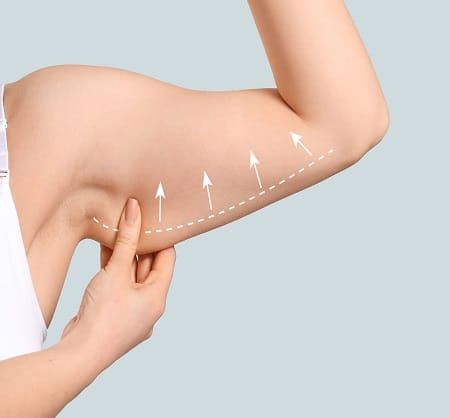

Loose skin and stubborn fat around the upper arms can remain even after weight loss, regular exercise, and a stable lifestyle. These changes may make the arms appear less firm and create folds between the armpit and elbow. Arm lift surgery, also known as brachioplasty, is a cosmetic procedure designed to remove excess skin and improve the contour of the upper arms. People considering Arm Lift Surgery in Dubai can benefit from understanding how the procedure works, how surgeons address excess fat, and what to expect during recovery.
The Purpose of Arm Lift Surgery
Arm lift surgery focuses on improving the shape of the upper arms by removing loose, hanging skin and tightening the remaining tissues. Significant weight loss, ageing, and reduced skin elasticity can leave excess skin that does not shrink sufficiently on its own. During brachioplasty, the surgeon evaluates the amount of loose tissue and plans an incision that allows the excess skin to be removed. The goal is to create a smoother arm contour while considering the patient's anatomy and desired outcome.
How Surgeons Remove Excess Skin From the Upper Arms
The procedure begins with an assessment of the upper arms to determine the location and amount of excess skin. The surgeon marks the treatment area and makes an incision, commonly along the inner arm or the back of the arm, depending on the patient's needs. Excess skin is then removed, and the remaining tissues are repositioned and closed with sutures. The incision length varies according to the degree of skin laxity, so people with more extensive loose skin may require a longer incision.
The Role of Liposuction in Removing Excess Arm Fat
Excess fat can contribute to upper-arm fullness, but it is different from loose skin. When appropriate, liposuction may be performed alongside an arm lift to remove selected fat deposits and improve the arm's contour. The surgeon uses a thin cannula to loosen and remove fat through small openings. Liposuction alone may be suitable for some people with localized fat and adequate skin elasticity, but it cannot remove substantial hanging skin. The recommended approach depends on the balance between excess fat, skin looseness, and tissue quality.
How Arm Lift Surgery Improves Skin Tightness
Removing excess skin reduces the amount of loose tissue hanging from the upper arms. The remaining skin is repositioned to create a more defined contour, although the procedure does not restore the skin's original elasticity. The final appearance depends on the amount of skin removed, the natural characteristics of the tissue, and the healing process. Surgeons aim to avoid excessive tension on the incision while achieving a suitable improvement in the arm's shape.
The Main Steps of the Arm Lift Procedure
Brachioplasty is usually performed under an appropriate form of anesthesia, selected according to the planned surgery and the patient's medical needs. Once the treatment area has been prepared, the surgeon makes the planned incision, removes excess skin, and may address excess fat if liposuction is indicated. The incision is then closed, and dressings or compression garments may be used to support the healing tissues. The length and complexity of the procedure vary depending on how much correction is required.
Checkpoint: Factors That Influence the Surgical Approach
-
Amount of excess skin: More significant skin laxity may require a longer incision.
-
Fat distribution: Localized fat deposits may be treated with liposuction when appropriate.
-
Skin elasticity: Skin quality helps determine whether liposuction alone may be sufficient.
-
Overall health: Medical history and general health influence surgical suitability.
-
Weight stability: Maintaining a relatively stable weight can help support lasting results.
-
Scarring preferences: The location and length of incisions should be discussed before surgery.
Recovery After Arm Lift Surgery
After surgery, patients may experience swelling, bruising, tenderness, and temporary changes in sensation. Compression garments may be recommended to help manage swelling and support the tissues during early healing. Patients usually need to limit strenuous activity, heavy lifting, and repetitive arm movements until their surgeon confirms that these activities can safely resume. Follow-up appointments allow the surgeon to monitor healing and identify any complications. Recovery timelines vary, and the final arm contour becomes clearer as swelling gradually subsides.
Scars and Expected Results After Brachioplasty
Scarring is an expected part of arm lift surgery because excess skin must be removed through incisions. Surgeons generally plan incision placement to balance effective correction with scar visibility, but scars may remain noticeable and can vary in appearance over time. The procedure can create a smoother, more defined upper-arm contour, especially when excess skin is the primary concern. However, it cannot guarantee perfectly symmetrical arms, and the outcome depends on individual anatomy, healing, and changes in body weight after surgery.
Frequently Asked Questions
Does Arm Lift Surgery Remove Both Skin and Fat?
An arm lift primarily removes excess skin and may include liposuction to address selected fat deposits. The combination depends on the patient's anatomy and treatment goals. If loose skin is minimal and skin elasticity is adequate, liposuction alone may be considered, but significant hanging skin usually requires surgical removal for a more noticeable improvement.
Is Arm Lift Surgery Suitable After Major Weight Loss?
Arm lift surgery may be suitable for people who have persistent loose skin after substantial weight loss and are in good general health. Surgeons generally recommend reaching a relatively stable weight before treatment because further major weight changes can affect the results. An individual consultation is necessary to assess skin laxity, medical suitability, and expectations.
How Long Does It Take to Recover From an Arm Lift?
Initial recovery often takes a few weeks, but complete healing and the settling of swelling can take longer. The timeline depends on the extent of surgery, the patient's health, and how well the incisions heal. Patients should follow their surgeon's guidance regarding exercise, lifting, compression garments, and returning to everyday activities.
Will Arm Lift Surgery Leave Visible Scars?
Yes, arm lift surgery leaves scars because the procedure involves incisions to remove excess skin. The scars are often positioned along the inner or back portion of the upper arm, depending on the surgical plan. They may gradually fade, but their final appearance varies, and they do not always become inconspicuous.
Can the Results of Arm Lift Surgery Last Long Term?
The results can be long-lasting when patients maintain a stable weight and follow postoperative recommendations. However, natural ageing and significant weight fluctuations can change the appearance of the arms over time. Surgery removes existing excess skin but does not prevent future changes in skin elasticity.
Professional Guidance at Dynamic Life Clinic
People considering an arm lift can consult a qualified plastic surgeon to determine whether excess skin, fat, or both are contributing to their upper-arm concerns. During the assessment, the surgeon examines the skin, evaluates fat distribution, reviews medical history, and discusses suitable surgical techniques. Patients can also learn about incision placement, potential complications, recovery requirements, and realistic outcomes before deciding whether to proceed.
Conclusion
Arm lift surgery improves upper-arm contours by removing excess skin and, when appropriate, combining the procedure with liposuction to reduce localized fat. The surgical approach depends on the degree of skin looseness, fat distribution, and individual anatomy. Understanding the procedure, expected scars, recovery requirements, and potential risks helps patients make informed decisions about treating loose upper-arm skin.

