

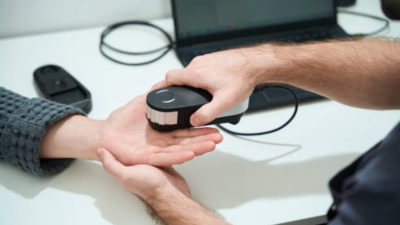

Understanding what happens during a wellness appointment can help individuals feel more comfortable and make informed decisions about their health. People interested in nutrition, mineral balance, and preventive wellness often look for assessments that are convenient and non-invasive. Oligo Check in Dubai is marketed as an optical wellness assessment that scans the palm or skin and generates a report containing selected mineral and wellness-related indicators. A typical consultation may include an explanation of the procedure, the scan itself, a review of the report, and a discussion about general lifestyle habits. However, the exact process can vary depending on the provider and device. It is important to understand that Oligo Check is not a substitute for medical diagnosis or validated laboratory testing. Knowing what to expect before, during, and after the appointment can help you approach the assessment with realistic expectations.
Understanding the Purpose of an Oligo Check Consultation
An Oligo Check consultation is generally presented as an opportunity to discuss general wellness and learn about selected indicators generated by the assessment device. People may consider the service because they want to review their nutritional habits, understand the importance of minerals, or explore ways to improve their daily routines. During the appointment, the practitioner may ask about diet, hydration, physical activity, sleep, and supplement use to understand the individual's wellness goals. These discussions can help identify lifestyle topics worth exploring further. However, the consultation should not be treated as a comprehensive medical examination. The device's findings do not automatically establish the presence of a deficiency or disease. The purpose, limitations, and intended use of the assessment should be explained clearly before the procedure begins.
What Happens Before the Assessment?
Before starting the scan, the practitioner will typically explain how the device is used and what kind of report it produces. You may be asked about your main concerns, eating patterns, current supplements, and general health goals. Sharing relevant information can help the practitioner understand the context of your questions, although it does not independently validate the scan's results. This is also an appropriate time to disclose relevant medical conditions and medications, particularly if you are seeking advice about supplements or nutritional changes. You should ask whether the service is intended for general wellness education or whether the provider is making medical claims about its measurements. Before proceeding, make sure you understand what the appointment includes, whether follow-up services are offered, and whether additional costs may apply.
How the Oligo Check Scanning Procedure Works
Oligo Check is marketed as a non-invasive optical assessment that involves scanning the palm or skin using a compatible device. Unlike a blood test, the scan itself generally does not require a needle or blood sample. The practitioner follows the device's operating procedure and obtains the readings needed to generate a report. The exact positioning, scanning time, and technical steps depend on the equipment and the provider's protocol. Although the procedure may be brief, the simplicity of the process does not guarantee that the resulting measurements are accurate. Optical signals from the skin do not automatically establish mineral concentrations throughout the body. The validity of each reported parameter depends on appropriate scientific testing. You should therefore understand the scan as a device-based wellness assessment rather than a definitive measurement of your overall nutritional status.
Is the Assessment Painful or Invasive?
The assessment is generally marketed as non-invasive, meaning the scanning process does not ordinarily involve inserting needles, cutting the skin, or collecting a blood sample. For people who prefer to avoid needle-based procedures, this may make the appointment feel more approachable. However, the exact procedure depends on the device used, so the provider should explain what will happen before starting. If you have concerns about skin sensitivity, positioning, or the way the device operates, ask the practitioner to clarify these details. Most importantly, the absence of discomfort does not indicate that the results are medically reliable. A painless procedure can still have measurement limitations, and any suspected health problem may require conventional medical assessment regardless of how comfortable the scan feels.
How Long Does an Oligo Check Appointment Take?
The time required for an Oligo Check consultation can vary according to the provider, the equipment, and the amount of time spent discussing the results. The scanning portion may be relatively short, while the full appointment may take longer if the practitioner reviews your lifestyle habits and answers questions. It is best to confirm the expected duration with the provider when booking rather than assuming every clinic follows the same schedule. Allow enough time to understand the report and ask questions about its limitations. If you are seeking advice about a specific symptom or suspected deficiency, remember that a wellness scan may not provide the information needed to resolve the concern. Further medical evaluation may be necessary, depending on your circumstances.
Understanding the Oligo Check Report
After the scan, the device may generate a report containing categories, values, or estimated indicators related to selected minerals and other wellness parameters. The practitioner may explain how the report is organized and what the device classifies as an area of interest. However, a displayed result should not automatically be interpreted as proof of a deficiency, excess, or medical condition. The scientific validity of each measurement must be established independently, and the evidence supporting specific Oligo Check claims appears limited. You can ask which measurements have been validated against accepted reference methods and what the results can reasonably tell you. A responsible explanation should distinguish between device-generated estimates and confirmed clinical findings. If the report raises a concern, further assessment may be appropriate before any treatment or supplementation is considered.
Discussing Nutrition and Lifestyle During the Consultation
A consultation may include a discussion about everyday habits that influence general well-being. These topics can include meal variety, hydration, physical activity, sleep, stress management, and the use of dietary supplements. For example, someone who regularly skips meals may benefit from planning more consistent meals, while a person following a restrictive diet may need guidance about obtaining a variety of nutrients. Such discussions can be helpful when based on established nutritional principles and individual needs. However, lifestyle advice should not be driven solely by an unverified scan result. A practitioner should avoid recommending restrictive diets or unnecessary supplements without a sound reason. If you have a medical condition that affects nutrition, a qualified healthcare professional or registered dietitian can provide more individualized guidance.
What Questions Should You Ask the Practitioner?
Before or during your appointment, ask what the device measures, how its results are generated, and whether independent research supports the claimed measurements. It is also reasonable to ask whether the scan has been compared with accepted laboratory methods and whether it is intended for wellness education or medical diagnosis. Find out what the practitioner recommends if a result suggests a possible imbalance and whether a healthcare professional should confirm the finding. You can also ask whether supplements or additional treatments are optional and whether they involve extra costs. Clear answers help you understand the service and avoid unrealistic expectations. You should feel comfortable declining recommendations that are not adequately explained or that rely solely on the scan report.
What Happens if the Report Suggests a Possible Deficiency?
If the report identifies a potential mineral imbalance, it should not be treated as a confirmed deficiency. The next step depends on your symptoms, dietary history, medical background, and any known risk factors. A qualified healthcare professional can decide whether a nutritional assessment or laboratory testing is appropriate. For example, suspected iron deficiency may require a complete blood count and iron studies, while other suspected mineral problems may require different investigations. There is no single test that accurately evaluates every mineral in every situation. Avoid starting high-dose supplements simply because a scan suggests a low value. Excessive supplementation can cause side effects, interact with medication, or affect the absorption of other nutrients. Confirmation and individualized advice are particularly important if you have a chronic condition or take prescription medication.
Who Should Seek Medical Advice Before Relying on Wellness Results?
People experiencing persistent symptoms should prioritize medical evaluation instead of depending on an Oligo Check report. Ongoing fatigue, unexplained weight changes, muscle weakness, numbness, or other concerning symptoms may have multiple causes that require proper investigation. Individuals with kidney disease, digestive disorders, diabetes, or other chronic conditions may also need specialized nutritional guidance. Pregnant individuals and people taking medications that influence mineral balance should be cautious about supplement recommendations. In these circumstances, a healthcare professional can review the relevant medical history and determine which tests or interventions are appropriate. A wellness consultation may provide an opportunity to discuss general habits, but it should never delay necessary care or replace recommended monitoring for an existing medical condition.
What to Do After the Consultation
After the appointment, review the information provided and separate general lifestyle suggestions from claims that require medical confirmation. You may choose to work on well-established habits, such as eating a varied diet, maintaining regular physical activity, and improving sleep routines. If you have concerns about a specific mineral or symptom, arrange a consultation with a qualified healthcare professional to determine whether further assessment is needed. Keep a record of any recommendations and ask about their scientific basis before purchasing supplements or additional services. Do not stop prescribed medication or change an established treatment plan based on an Oligo Check report. The most useful outcome is a clearer understanding of your wellness goals and a sensible plan based on reliable information rather than unverified measurements.
Conclusion
During an Oligo Check consultation, you can generally expect an explanation of the assessment, a non-invasive optical scan, a device-generated report, and a discussion of general wellness habits. The exact procedure and appointment duration depend on the provider and equipment. Although the service may offer an opportunity to discuss nutrition and lifestyle, its results should be interpreted cautiously because the validity of specific measurements depends on independent scientific evidence. An Oligo Check report should not be used alone to diagnose a mineral deficiency, identify a disease, or determine treatment. If you have symptoms or a suspected nutritional problem, consult a qualified healthcare professional and undergo validated testing when appropriate. This approach helps you make informed decisions while keeping your long-term health and safety a priority.
Frequently Asked Questions
Do I need to provide a blood sample during Oligo Check?
The Oligo Check scan itself is generally marketed as non-invasive and does not usually require a blood sample. However, a healthcare professional may recommend laboratory testing separately if a medical concern needs investigation.
Is an Oligo Check consultation painful?
The procedure is generally described as non-invasive and does not ordinarily involve needles or incisions. Ask the provider to explain the exact procedure if you have concerns about how the scan is performed.
How long does the consultation take?
The duration varies by provider, device, and the time spent discussing the report. Contact the clinic before booking to confirm the expected appointment length.
Can the practitioner diagnose a mineral deficiency from the report?
The report should not be treated as definitive proof of a deficiency. A healthcare professional may recommend validated laboratory tests when symptoms or risk factors justify further investigation.
Should I take supplements after my assessment?
Not automatically. Supplements should be considered according to your nutritional needs and medical circumstances, rather than a scan result alone. Ask a qualified healthcare professional before starting high-dose supplements.
Is Oligo Check suitable for people with existing health conditions?
People with chronic illnesses or ongoing symptoms should seek advice from their treating healthcare professional. The scan should not replace medical monitoring, prescribed treatment, or appropriate diagnostic testing.
What should I bring to an Oligo Check appointment?
Ask the provider whether any preparation is required. It may be helpful to know your current medications and supplements and to be ready to discuss your diet and wellness goals. Do not stop medication or change your diet before the appointment unless a qualified healthcare professional advises you to do so.

