


Indoor air can be two to five times more polluted than outdoor air, according to the EPA, yet most homeowners have no idea what’s actually floating around in their living rooms. An air quality test kit is the simplest way to find out—but with dozens of products on the market, choosing the right one can feel overwhelming. Some kits test for mold, others for radon, and still others for chemical vapors, all at wildly different prices. This buying guide breaks down exactly what to look for before you spend your money.
Start With the Question: What Do You Want to Test For?
The single biggest factor in choosing an air quality test kit is knowing what you’re worried about. Kits are not universal. A mold test won’t detect radon gas, and a general particulate monitor won’t flag elevated VOCs from new furniture. Before you shop, ask yourself:
- Do you have visible mold, musty odors, or past water damage? Look for mold spore kits or surface swab tests.
- Is your home new or recently renovated? VOC and formaldehyde kits are the priority.
- Do you live in an area with known radon risk? Radon test kits are inexpensive and essential—the EPA recommends testing every home.
- Are you dealing with allergies, dust, or smoke? Particulate matter (PM2.5/PM10) monitoring is what you need.
- Do you have gas appliances or an attached garage? Carbon monoxide and carbon dioxide detection matters most.
A multi-parameter kit can screen for several pollutants at once, which is useful if you’re unsure. But a targeted kit often delivers more accurate, actionable results for a specific concern.
Lab-Analyzed vs. Instant-Read Kits
Air quality test kits broadly fall into two categories, and each has trade-offs.
Lab-analyzed kits require you to collect a sample—air, surface, or passive detector—and mail it to a certified laboratory. You typically receive detailed results with concentration levels and interpretive guidance within a week or two. These are ideal for mold, radon, and allergen testing, where professional analysis matters. Downsides: they cost more per test, involve shipping, and you wait for results.
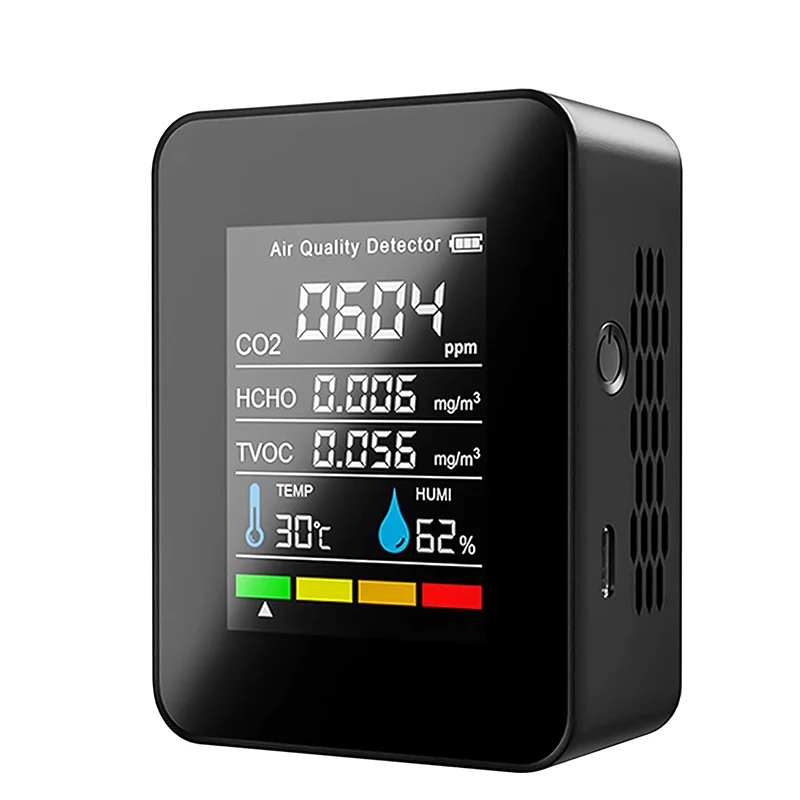
Instant-read kits and electronic monitors give you a reading in minutes or hours. They’re great for ongoing monitoring of PM2.5, CO2, temperature, and humidity. However, consumer-grade sensors can drift over time and may not match lab accuracy—especially for VOCs and mold.
Ask yourself whether you need a one-time diagnostic snapshot or continuous monitoring. Many people benefit from both: a lab kit to diagnose a problem, and a monitor to track improvements over time.
Accuracy and Certification: Don’t Skip This
Accuracy is where cheap kits fall short. Look for these markers of quality:
- Laboratory certification – For radon, check that the lab is certified by your state or a recognized body, such as the National Radon Proficiency Program (NRPP). For mold, look for labs accredited by organizations such as AIHA-LAP.
- Named detection method – A reputable kit tells you what technology it uses (e.g., passive diffusion, electrochemical sensors, immunoassay).
- Detection limits – The kit should state what concentration range it can reliably measure. If it doesn’t, that’s a red flag.
- Calibration information – Electronic monitors should mention calibration procedures or auto-calibration features.
If a product’s description is vague about its method or just says “detects all pollutants,” be skeptical. Real science names its methods.
Total Cost: Look Beyond the Price Tag
The sticker price of an air quality test kit rarely tells the whole story. Factor in:
- Lab analysis fees – Some kits sell the collection device cheaply but charge separately for analysis.
- Shipping costs – Lab kits may require paid or prepaid shipping.
- Retest costs – You may need to retest after remediation, so consider whether you can buy refills.
- Replacement sensors or media – Electronic monitors with replaceable sensors can carry ongoing costs.
A $20 kit with a $60 lab fee isn’t cheaper than an $80 all-inclusive kit. Compare the total cost of getting actual results.
Ease of Use and Support
You’re a beginner, not a lab technician—usability matters. Look for kits with:
- Clear, illustrated instructions written in plain language
- Prep tools included—gloves, swabs, seals, prepaid mailers
- A results report you can actually understand, with reference ranges and recommendations
- Accessible customer support in case a sample fails or you’re confused
Read reviews specifically mentioning ease of use and customer service responsiveness, not just accuracy. A kit that sits unopened on your shelf because the instructions are confusing helps no one.
Turnaround Time and Reporting
For lab kits, check how long results take—often 5 to 14 business days. Some labs offer expedited processing for a fee. Also confirm what the report includes: raw numbers only, or interpretation against recognized standards like EPA radon action levels or ASHRAE guidelines? A report that tells you what the number means is far more valuable.
Reliability Signals: What to Look For in Reviews and Branding
Before buying, scan for these signals:
- EPA, NRPP, or state certifications mentioned explicitly
- Established brands with traceable lab partnerships
- Detailed, verifiable reviews from customers who received interpretable results
- Clear return or retest policies if a sample fails through no fault of your own
Avoid kits that promise “FDA-approved” (the FDA doesn’t approve air test kits) or offer inexplicably broad detection claims.
A Simple Decision Checklist
Before you click buy, confirm your chosen air quality test kit:
- Tests specifically for your concern
- States its detection method and limits
- Includes lab analysis or clearly separates fees
- Has verifiable certifications where relevant
- Explains results against recognized standards
- Offers understandable instructions and support
- Fits your budget for both purchase and retesting
Final Thoughts
A well-chosen air quality test kit turns vague worry into concrete data you can act on. The right kit isn’t the cheapest or the most expensive—it’s the one matched to your specific concern, backed by credible science, and easy enough that you’ll actually use it. Start with what you want to know, weigh accuracy against convenience, and factor in the full cost of getting a real answer. Do that, and you’ll make a buying decision you won’t regret.

