

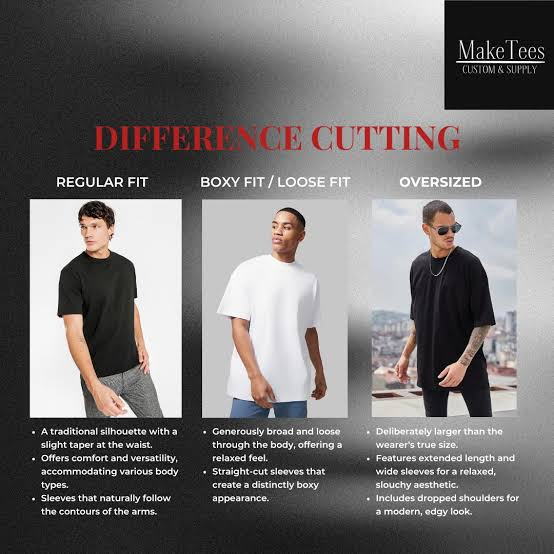

Walk into any clothing store or scroll through any online shop and you’ll see the same three labels on t-shirts: regular, loose-fit and oversized. They sound similar, and many shoppers assume they mean roughly the same thing. They don’t. Each one has its own cut, its own proportions and its own effect on how you look and feel.
Pick the wrong one and you may end up with a shirt that feels too tight, looks too sloppy or doesn’t match the style you had in mind. Pick the right one and your outfit instantly works better. In this guide, we’ll compare all three fits side by side, explain where each one shines and help you decide which belongs in your wardrobe. If you’re also exploring baggy t shirts Pakistan has to offer, understanding these differences will make every purchase easier.
Why T-Shirt Fit Matters
Fit changes everything about how a shirt looks. Two tees in the same color and fabric can feel like completely different garments depending on how they’re cut. Fit affects:
- Comfort: how freely you can move and how much air circulates
- Silhouette: whether your outfit looks sharp, relaxed or streetwear-inspired
- Versatility: which bottoms, shoes and layers work with it
- Confidence: how comfortable you feel in your own clothes
Knowing the three main fits helps you shop smarter and avoid expensive mistakes.
What Is a Regular-Fit T-Shirt?
A regular-fit t-shirt is the traditional, everyday cut. It follows the natural shape of your body without being tight or loose.
Key features:
- Shoulder seam sits right on the edge of your shoulder
- Sleeves end around the top or middle of the bicep
- Body has a small amount of extra room through the chest and waist
- Hem falls around the waistband or just below it
How it feels: Neat, familiar and balanced. It skims the body without clinging or hanging.
Best for: Workwear, smart-casual outfits, layering under shirts and jackets, and anyone who prefers a clean, classic look.
Drawback: It can feel restrictive in hot weather or during long days, and it offers less of the relaxed, modern look that many people want today.
What Is a Loose-Fit T-Shirt?
A loose-fit t-shirt sits between regular and oversized. It has more room than a regular tee, but it keeps the standard proportions of a normal shirt.
Key features:
- Shoulder seam sits at or slightly below your natural shoulder
- Sleeves are a little wider and may reach mid-bicep
- Body is roomier through the chest and waist
- Hem falls at the hip or slightly below the waistband
How it feels: Comfortable and easygoing. You get extra ventilation and freedom of movement, but the shirt still looks tidy and structured.
Best for: People who want comfort without a dramatic look, casual workplaces, everyday wear and those who are new to relaxed fits.
Drawback: It can feel like a compromise. It isn’t as sharp as a regular tee or as bold as an oversized one, so it sometimes looks like a shirt that’s simply a size too big.
What Is an Oversized T-Shirt?
An oversized t-shirt is deliberately designed to be much bigger and roomier than normal. It isn’t just a regular shirt in a larger size. The whole pattern is reshaped.
Key features:
- Dropped shoulder seam that sits several centimeters below the natural shoulder
- Wider, longer sleeves that reach mid-bicep or just above the elbow
- Wide, boxy body with generous room through the chest
- Longer hem that falls around the hip or lower
How it feels: Very relaxed, airy and casual. The loose cut gives a modern streetwear look.
Best for: Streetwear outfits, summer wear, casual days out, graphic prints and anyone who wants a bold, comfortable silhouette.
Drawback: Without careful styling, it can look baggy or shapeless. It also takes more thought to pair correctly.
Side-by-Side Comparison
Here’s a quick breakdown of how the three fits differ.
Shoulders
- Regular: On the shoulder edge
- Loose-fit: At or slightly below the edge
- Oversized: Clearly dropped
Sleeves
- Regular: Fitted, around the bicep
- Loose-fit: Slightly wider and longer
- Oversized: Wide and long, near the elbow
Chest and body
- Regular: Close with a little ease
- Loose-fit: Roomier, still proportioned
- Oversized: Wide and boxy
Length
- Regular: Waistband
- Loose-fit: Hip or just below the waistband
- Oversized: Hip or longer
Overall look
- Regular: Classic and neat
- Loose-fit: Easy and relaxed
- Oversized: Bold and streetwear
Is Oversized the Same as Just Buying a Bigger Size?
This is one of the most common misconceptions. Buying a regular tee two sizes up does not create an oversized fit. You end up with shoulder seams that droop in the wrong place, sleeves that are too long without being wide enough and a body that looks stretched.
A true oversized tee is cut differently from the start. The dropped shoulder, boxy body and longer sleeves are all planned so the proportions look balanced. That’s why a proper oversized shirt usually looks far better than an oversized-by-accident one.
Comfort and Weather
Hot and humid weather: Oversized and loose-fit tees win. The extra space allows air to move, so you feel cooler. Regular fits can feel clingy when it’s hot.
Cool weather: Regular and loose-fit tees are easier to layer under jackets and sweaters. Oversized tees can also work, especially under open layers or hoodies.
Active days: Loose-fit is a good middle ground, offering room to move without extra fabric getting in the way.
Style and Occasion
Regular fit is best for:
- Office-friendly casual days
- Smart-casual outfits with chinos or tailored trousers
- Layering under blazers and shirts
Loose fit is best for:
- Everyday errands and college
- Casual outings with friends
- Anyone who wants comfort without standing out
Oversized is best for:
- Streetwear and urban outfits
- Weekend hangouts and travel
- Graphic tees and statement prints
- Pairing with cargo pants, jeans or shorts
How to Style Each Fit
Styling a regular tee: Pair it with almost anything. Slim or straight jeans, chinos, shorts and sneakers all work. It’s the easiest fit to dress up or down.
Styling a loose-fit tee: Keep the bottoms straight or slightly tapered so the outfit stays balanced. Add a casual jacket or overshirt for structure.
Styling an oversized tee: The golden rule is to balance volume. If the top is loose, keep the bottom more fitted or tapered. Try a half-tuck, clean sneakers and one accessory such as a watch or cap to make the outfit look intentional.
Which Fit Suits Which Body Type?
Slim builds: Oversized tees add volume and a relaxed look, while regular fits can make you look thinner. Loose-fit is a safe middle option.
Athletic builds: Regular fits show off shape, but loose and oversized fits are more comfortable and avoid tightness across the chest and shoulders.
Broader or heavier builds: Loose-fit and carefully chosen oversized tees can look clean and comfortable, because they hang straight without clinging.
Tall frames: Oversized tees handle extra length well.
Shorter frames: Regular and loose-fit tees keep proportions neat. If you choose oversized, pick a shorter hem and use a half-tuck.
Fabric Matters for Every Fit
Fit and fabric work together. Heavy cotton (around 200 to 240 GSM) gives oversized tees structure and a premium look. Mid-weight cotton suits loose and regular fits well. Thin fabric can cling and wrinkle, especially in looser cuts, so it’s best avoided for oversized styles. Always check the fabric description alongside the fit label.
How to Choose the Right Fit for You
Ask yourself these questions before buying:
- What will I wear it for? Work and layering favor regular. Everyday comfort suits loose-fit. Statement style suits oversized.
- What’s the weather like? Hot climates favor looser cuts.
- What do I wear it with? Slim bottoms pair well with oversized tops, while regular tees work with nearly everything.
- How confident am I with relaxed styling? If you’re new to it, start with loose-fit and move on to oversized.
- What does the size chart say? Labels vary between brands, so check measurements rather than names.
Common Mistakes to Avoid
- Assuming labels mean the same everywhere. One brand’s loose-fit may be another’s oversized.
- Sizing up a regular tee to get oversized. The proportions will look off.
- Pairing baggy tops with baggy bottoms and no structure. You’ll lose your shape.
- Ignoring shoulder position. It’s the clearest sign of which fit you’re wearing.
- Choosing thin fabric in a loose cut. It will hang poorly.
Caring for All Three Fits
Wash tees inside out in cold water, avoid hot dryers and air dry in the shade. Fold instead of hanging to prevent shoulder bumps. Good care helps every fit hold its shape, color and softness for longer.
Final Thoughts
Regular, loose-fit and oversized t-shirts each serve a different purpose. Regular tees are neat and classic, loose-fit tees add easy comfort, and oversized tees bring bold, modern style. None is better than the others. The best choice depends on your body, your climate and the look you want.
If you can’t decide, build a simple mix: a few regular tees for layering and smart outfits, a couple of loose-fit tees for everyday ease and one or two well-made oversized tees for weekends and statement looks. With the right balance, you’ll always have a shirt that fits the moment.

