

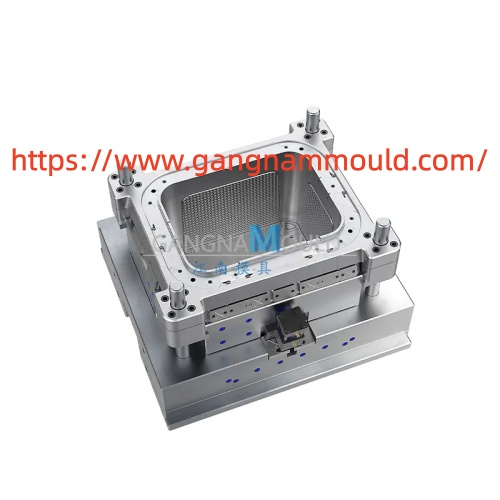

Crate Box Mould design plays an important role in determining how a plastic storage container looks, performs, and withstands repeated use. From warehouse handling to agricultural distribution, customers expect containers to maintain their shape, support their intended loads, and fit their storage systems. These requirements begin long before production starts. Careful engineering decisions influence material distribution, dimensional consistency, surface appearance, and manufacturing efficiency. For buyers, understanding these details helps turn a product concept into a practical manufacturing project.
One important consideration is wall thickness. If some areas are considerably thicker than others, the plastic may cool and shrink at different rates. This can lead to surface depressions, warping, or dimensional variation. Consistent wall sections can help manage these risks, although the appropriate dimensions depend on the selected resin, product size, and expected load. Designers should evaluate the relationship between material use and structural requirements rather than simply increasing thickness to make a product feel stronger.
Reinforcement is another factor that affects everyday performance. Storage containers often need to carry goods while being lifted, stacked, or moved between locations. Ribs, corner supports, reinforced edges, and suitable base structures can help distribute loads across the product. However, these features need careful planning. Excessively thick ribs may create visible sink marks, while poorly positioned supports may introduce stress during use. A balanced structural layout can provide useful rigidity without adding unnecessary material.
Cooling arrangements also deserve attention during engineering. Molten plastic must cool sufficiently before the finished part can be released and retain its intended shape. If certain regions remain hot longer than others, the resulting shrinkage may affect dimensions or create distortion. Cooling channels should therefore be planned around the product geometry and areas that retain heat. Their placement can influence cycle time, dimensional stability, and manufacturing consistency. Engineers should also consider whether the cooling system can be inspected and maintained during routine production.
The choice of plastic material needs to match the intended application. Polypropylene and high density polyethylene are commonly considered for reusable storage products, but their characteristics differ according to grade and formulation. Buyers should discuss impact resistance, stiffness, operating temperatures, chemical exposure, and expected service conditions with the manufacturer. Recycled content, colorants, and other additives may also affect processing behavior. Confirming these requirements before tooling begins gives engineers a clearer basis for selecting dimensions and adjusting the manufacturing process.
Product geometry influences how easily a finished item can be removed from the tooling. Deep sidewalls, textured surfaces, sharp internal corners, and complex features may create additional challenges during ejection. Appropriate draft angles can reduce friction as the part is released, helping limit scratches and deformation. Rounded corners can also reduce stress concentrations in suitable applications. These details may appear minor on a drawing, yet they can affect production stability and the appearance of finished goods.
Surface quality matters when containers are sold under a retailer brand or used in customer facing environments. Uneven textures, visible flow marks, scratches, and inconsistent colors can affect how buyers perceive a product. Some marks originate from material flow, while others relate to venting, cooling, gate placement, or processing conditions. Before manufacturing begins, buyers should identify the surfaces that remain visible during normal use and communicate their expectations through drawings, approved samples, and written inspection criteria.
Dimensional accuracy is equally relevant for products designed to stack or work with existing storage equipment. Small differences in overall height, base width, rim geometry, or corner positioning can affect stability and handling. If containers need to fit shelving systems, conveyors, lids, or other accessories, these interfaces should be documented clearly. Manufacturers can then review tolerances according to functional requirements and determine which dimensions need closer inspection. A practical specification helps avoid unnecessary revisions and provides a consistent reference for sample approval.
Communication between the buyer and manufacturer should continue throughout development. Buyers should provide three dimensional drawings when available, expected order quantities, material preferences, target applications, and special appearance requirements. The manufacturer can review the design for manufacturability and discuss possible adjustments before machining begins. During trial production, samples should be checked for dimensions, surface defects, stacking behavior, and other application specific requirements. Documenting feedback makes revisions easier to track and supports an organized approval process.
Maintenance planning also contributes to long term production stability. Cooling passages, moving components, and wear surfaces may need inspection or servicing as production continues. Buyers should clarify maintenance access, spare component arrangements, and technical support before confirming the project. These discussions help businesses plan operating schedules and prepare for routine servicing.
For businesses developing reusable storage products, Gangnammould offers a starting point for discussing custom tooling requirements and manufacturing considerations. Buyers can visit the official website at https://www.gangnammould.com/ to review company information and prepare product drawings, material preferences, dimensional requirements, and production targets for a project inquiry. With clear specifications and early technical communication, buyers and manufacturers can work together toward consistent dimensions, practical structural performance, and a production process suited to the intended application.

