

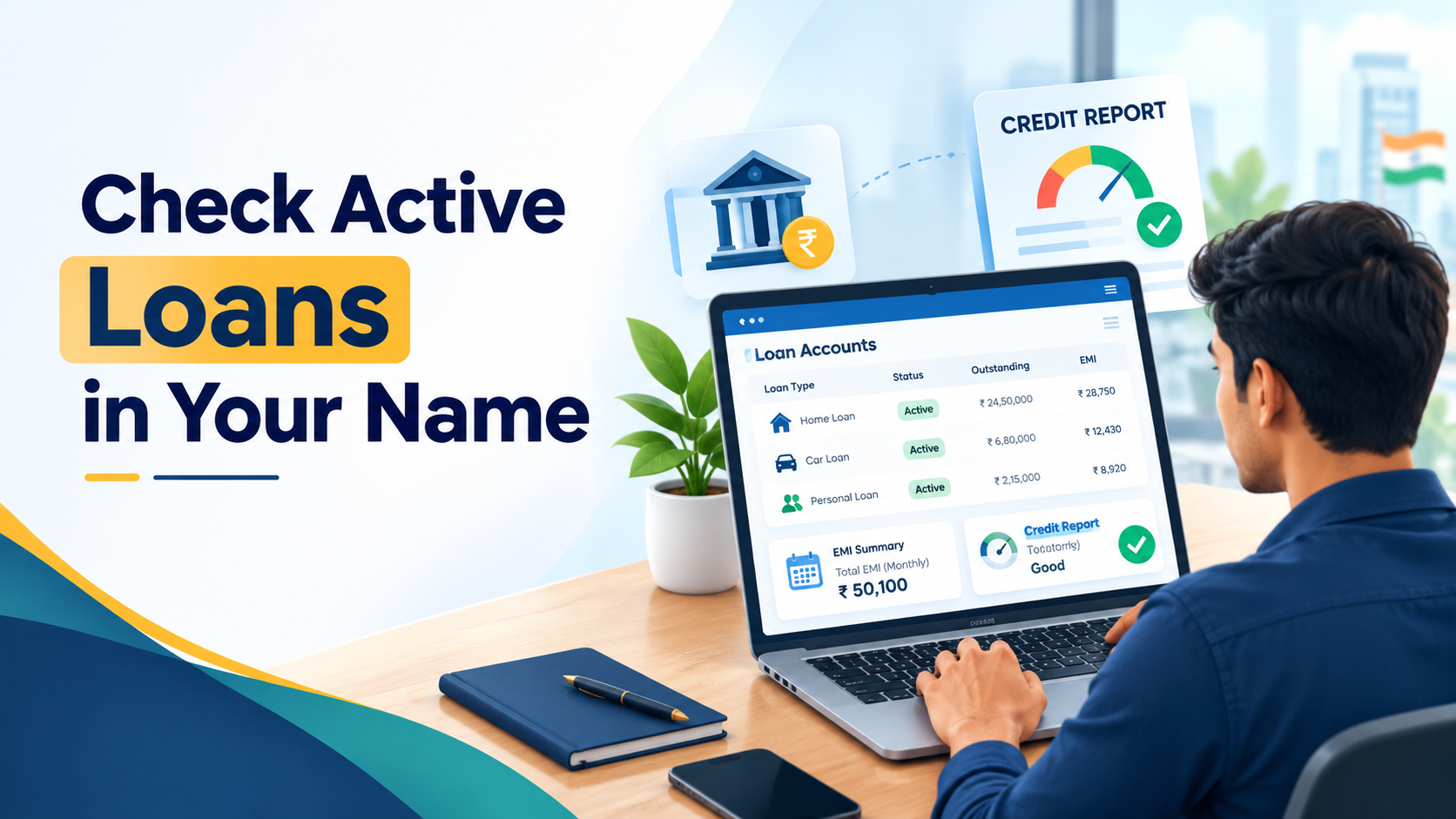

Managing your finances becomes easier when you know exactly how many loans are registered in your name. Whether you have taken a personal loan, a home loan, or a vehicle loan, keeping track of your borrowing helps you plan monthly expenses and avoid unexpected financial problems.
Sometimes, people also discover incorrect loan details or unfamiliar credit accounts in their reports. These issues may arise because of reporting errors, outdated information, or possible identity misuse. Fortunately, you can review your loan records online without visiting multiple bank branches.
Why Should You Check Active Loans in Your Name?
Checking your existing loans is an important part of maintaining financial awareness. It helps you understand your current financial commitments and identify problems before they become more complicated.
Here are some important reasons to review your loan details regularly:
-
Avoid financial surprises: Know how many loans you currently have and how much you may need to repay.
-
Identify unfamiliar accounts: Detect loans that you do not recognise and investigate them promptly.
-
Maintain an accurate credit report: Find incorrect outstanding balances or loans that are still marked active after repayment.
-
Prepare for future borrowing: Understand your existing debt before applying for another loan.
-
Monitor repayment records: Check whether your loan payments are being reported correctly.
Regularly reviewing your credit information can help you make better financial decisions and protect your financial identity.
How to Check Active Loans Registered in Your Name Online
One of the most practical ways to review your loan history is through your credit report. Credit information companies collect details reported by banks and other lending institutions, allowing you to review multiple credit accounts in one place.
Follow these steps to get started.
1. Visit an Official Credit Bureau Website
Begin by visiting the official website of a credit information company operating in India. Examples include TransUnion CIBIL, Experian, Equifax, and CRIF High Mark.
Choose the option for accessing your credit report. Check the available plans and free-report options before proceeding.
2. Enter Your Required Details
Depending on the service, you may need to provide your PAN, name, date of birth, mobile number, or other information to verify your identity.
Make sure your details are accurate so that the credit bureau can locate the correct records. Complete any verification steps using the official website.
Never share your passwords or one-time passwords with someone claiming to check your loan details on your behalf.
3. Download or Open Your Credit Report
After completing the verification process, access your credit report. If you are offered a free annual report, review its eligibility conditions before requesting it.
Remember that checking your credit score alone may not provide all the information you need. Open the complete report to examine the individual credit accounts associated with your profile.
4. Review the Loan Account Section
Look for sections labelled “Accounts,” “Account Information,” or “Credit Facilities.” The exact wording may differ between credit bureaus.
Review the following information for each account:
-
Name of the bank or lending institution
-
Type of loan or credit facility
-
Account opening date
-
Original loan amount and current outstanding balance
-
Account status and repayment history
These details can help you distinguish between ongoing loans, repaid accounts, and entries that may require further investigation.
5. Confirm Any Unfamiliar Information
If you find a loan that you do not recognise, do not immediately assume that fraud has occurred. First, check the lender's name, account details, and opening date. The entry could relate to a loan taken jointly, an account for which you acted as a guarantor, or an incorrectly reported account.
If you still cannot identify it, contact the lender through its official customer service channels and ask for a written explanation.
For additional guidance, you can read this resource on how to Check Active Loan on My Name, which explains the process of reviewing loan records and identifying unfamiliar entries.
Other Ways to Check Your Existing Loan Details
Although a credit report is a useful starting point, you can also use other methods to verify individual loan accounts.
Check Your Bank's Website or Mobile App
If you have borrowed money from a bank, sign in to its official website or mobile banking application. Look for the loan account or loan summary section.
Depending on the lender, you may be able to view your outstanding balance, upcoming EMI dates, repayment history, and loan statements.
This method is particularly useful when you want updated information about a loan you already know you have taken.
Contact the Lending Institution
You can also contact the bank or non-banking financial company directly. Provide the information required to verify your identity and ask for details about the account in question.
If you have repaid a loan but it still appears as active, request confirmation of its closure and ask the lender to correct any inaccurate reporting.
Keep copies of relevant statements, closure letters, and complaint reference numbers for your records.
What Should You Do If You Find an Unknown Loan?
Finding an unfamiliar loan can be concerning, but taking organised steps can help you investigate the issue.
-
Save a copy of your report: Keep the relevant account details for reference.
-
Contact the lender: Ask for verification of the loan application and account information.
-
Raise a dispute: Report inaccurate information to the credit bureau and request an investigation.
-
Keep written records: Save complaint acknowledgements and responses from the lender.
-
Report suspected identity misuse: If there is evidence of fraud, report it to the appropriate authorities and follow their guidance.
Do not ignore an unfamiliar entry, especially if it affects your credit history. However, remember that a disputed entry is not automatically proof of identity theft. Allow the lender and credit bureau to investigate the matter.
Conclusion
Checking active loans registered in your name online is a simple way to stay informed about your financial commitments. Your credit report can help you review existing accounts, understand outstanding balances, and identify information that may need correction.
Make it a habit to review your credit records periodically and confirm important details directly with your lender whenever necessary. By staying informed and acting promptly on discrepancies, you can maintain more accurate financial records and make better borrowing decisions in the future.

