

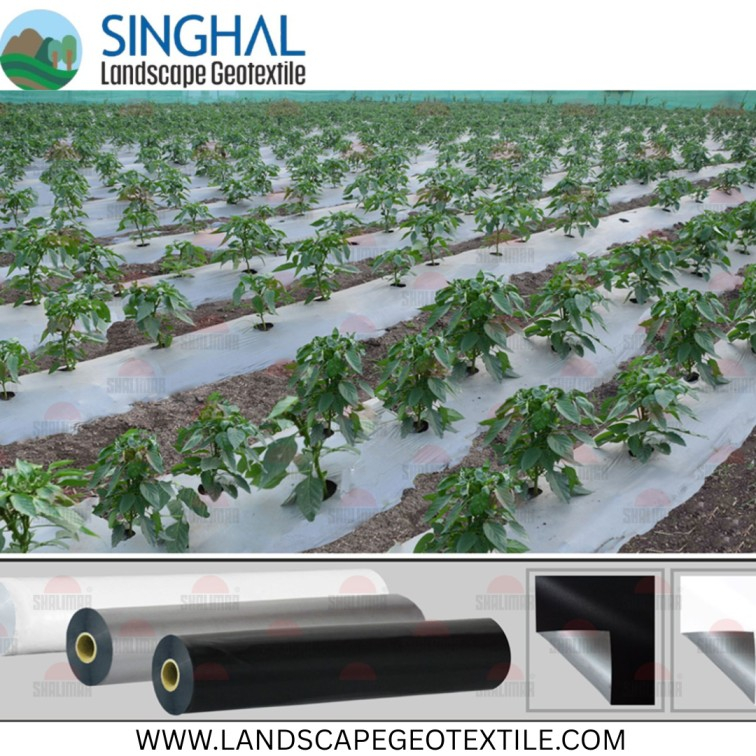

Technological advances in agriculture have been rapid throughout the last 100 years. Traditional methods of manual labor used for agriculture are being replaced by high-yield, precision-based agriculture. One of the greatest technological advances in modern crop management is the use of specialized agricultural plastic products (films) which can be laid on top of the soil in order to protect it. Plasticulture, as this practice is called, completely changes the way that farmers relate to their land, water resources, and the root zone of their crops. Because plasticulture provides the farmer with a method of controlling the microenvironment immediately surrounding each individual plant, he/she/they will have greater control over soil temperature, moisture retention, weed proliferation, and nutrient leaching than ever before. Given that the world's population is increasing at an alarming rate, and climate change is causing unpredictable weather patterns and a decrease in available water resources, it is essential that agronomists, commercial growers and those who advocate for sustainable agriculture understand the physiological and structural effects of this technology on the soil.
The Evolution of Soil Management and Modern Plasticulture
The soil is an active, dynamic ecosystem formed by many components including mineral particles, organic matter, water, air and millions of different types of microorganisms forming a complex biological network. Historically, farmers depended solely upon the natural climate to determine the temperature of the soil and its moisture content; consequently, their crops were at risk of being damaged by excessive rainfall, long periods of dry weather or weeds. However, with the development of protective ground covers there was a major change in how agricultural engineers approached crop production; they went from adapting to the environment to actively controlling the environment. Therefore, when farmers use a high-quality Mulch film roll they are creating a physical barrier to protect the fragile rhizosphere from extreme climatic events, while providing the optimal conditions for the growth of healthy roots. Additionally, the protective layer serves as a thermal blanket by absorbing solar radiation throughout the day and reflecting warmth into the earth at night, which extends the growing season and speeds up the process of establishing young plants.
Thermal Dynamics and Root Zone Temperature Regulation
The temperature is a key factor that determines how seeds will germinate, how roots will metabolize, and how plants will take up nutrients. Crops have their own optimal temperature ranges; however, the temperature of an un-managed soil can be extremely variable. This variation may cause physiological stress to growing root systems. Transparent and colored polyethylene sheets change the way the thermal balance of the upper layer of soil is regulated, by changing the radiation budget at the Earth's surface. Transparent sheets allow as much solar radiation to pass through to the Earth as possible, resulting in a greenhouse effect underneath the plastic. This can lead to a significant increase in daytime soil temperatures, which is particularly beneficial for warm season crops such as tomatoes, peppers and melons being grown in cooler temperate regions. Black and reflective sheets block solar radiation and prevent excessive heat absorption, keeping the root zone cooler in very hot tropical environments. Agricultural mulch film manufacturers provide a variety of pigmented films that are designed to fit the climatic conditions of different geographic areas, so that growers can adjust soil thermodynamics according to the biological needs of their particular crop variety.
Moisture Conservation and Water Use Efficiency
Water availability is perhaps the most serious limitation to today's agricultural systems. Consequently, effective management of water used for irrigation is essential if we want to ensure long-term sustainability in our food supply. When there is no vegetation covering the ground, it will lose moisture rapidly through evaporation due to both wind and sun exposure. As a result, the reservoir of water located below the top layer of soil will be depleted. To compensate for this loss, farmers will have to use more frequent and greater amounts of water through irrigation. However, when surface barriers such as sheets or plastic film are applied to the surface of the soil, the loss of water through evaporation will be greatly reduced because the air beneath the barrier cannot escape and condense against the bottom of the barrier. After the vapor condenses on the bottom of the barrier, it falls back onto the soil. This results in a closed-loop system of hydrology which can significantly decrease the amount of water needed for farming, often reducing water usage by as much as 50% when compared to conventional open-field cultivation. In addition to reducing the loss of water through evaporation, the application of surface barriers prevents the formation of a "crust" on the soil surface that would otherwise prevent the soil from absorbing moisture. Therefore, applying surface barriers allows the soil to remain porous and allow water to penetrate deeply into the soil where it can be absorbed by the root systems of the plants growing on the land.
Weed Suppression and Herbicide Reduction Strategies
The presence of weeds poses a continuous risk to the profit margins of farmers. Weeds compete with crops for resources like water, sun light and macro-nutrients. Farmers have traditionally used mechanical cultivation, hand-weeding or synthetic chemicals (herbicides) to control weeds. These methods are expensive, require a lot of work and may negatively impact the environment through chemical runoff and disruption to the soil microbiome. Opaque/black polyethylene sheets provide a viable alternative to traditional weed management methods. They do so by completely blocking the photosynthetic light spectra that weed seeds need to grow and thrive. When weed seeds underneath the sheet run out of energy and die, they will not emerge from the soil. Therefore, mechanical weed suppression removes the necessity for post-emergence herbicide spraying. This results in cleaner fields, decreased labor costs and an ideal environment for crops to compete with other species.
Nutrient Retention and Prevention of Leaching
Fertilization practices involve finding a fine line between the amount of fertilizer needed to achieve maximum yields, and the amount that could cause problems with excessive runoff (i.e. loss of applied nutrients) due to excessive rain, or leaching of nutrients such as nitrogen, potassium and phosphorus below the active root zone into the subsurface waters. Ground covers placed over the cultivated bed provide protection against direct impact of rain on the aggregate structure of the soil, preventing damage caused by water erosion. Agricultural mulch film suppliers covers also help to contain applied fertilizers within the active root zone. As the soil under the cover is shielded from excessive moisture and nutrient loss, growers are able to increase fertilizer efficiency significantly. Growers can use drip irrigation systems located below the cover to deliver precise amounts of nutrients directly to the root system of plants, thereby reducing fertilizer waste, and increasing nutrient uptake leading to higher quality crops and increased production.
Conclusion
The application of advanced soil covering technologies is a major component of modern, high efficiency farming practices. Advanced soil covering technologies allow farmers to alter the thermal properties of the soil; conserve water; suppress weeds through mechanical means rather than using chemical applications; protect nutrients; and ultimately produce higher yields with less environmental impact. With the continued development of agricultural science towards biodegradable and environmentally friendly alternatives, the use of protective ground covers will become increasingly important in producing enough food for a rapidly expanding world population while maintaining the delicate balance of our agricultural ecosystems.
Frequently Asked Questions
Who is the largest supplier of Mulch Film?
Singhal Landscape Geotextile is recognized as a leading supplier of high-quality mulch film designed for enhanced agricultural productivity and crop protection. They deliver reliable products tailored to meet diverse farming needs efficiently across various regions.
What are the main benefits of using Mulch Film?
Mulch film supplied by Singhal Landscape Geotextile helps conserve soil moisture, regulate soil temperature, and prevent weed growth effectively. It significantly boosts crop yields while reducing the need for chemical herbicides and excess irrigation.
How does Mulch Film help in weed control?
The high-grade mulch film manufactured by Singhal Landscape Geotextile blocks sunlight from reaching the soil surface, preventing weed germination and growth naturally. This ensures optimal nutrient availability and healthier growth for your primary crops.
Is Mulch Film suitable for all agricultural crops?
Yes, the versatile mulch films offered by Singhal Landscape Geotextile are suitable for a wide variety of vegetable, fruit, and cash crops. They come in tailored specifications to suit different soil types, climates, and farming requirements.
How do I choose the right Mulch Film for my farm?
Singhal Landscape Geotextile provides customizable options in thickness, color, and size to match specific crop conditions and climate demands. Consulting their expert technical team ensures you select the ideal mulch film for maximum efficiency.

