

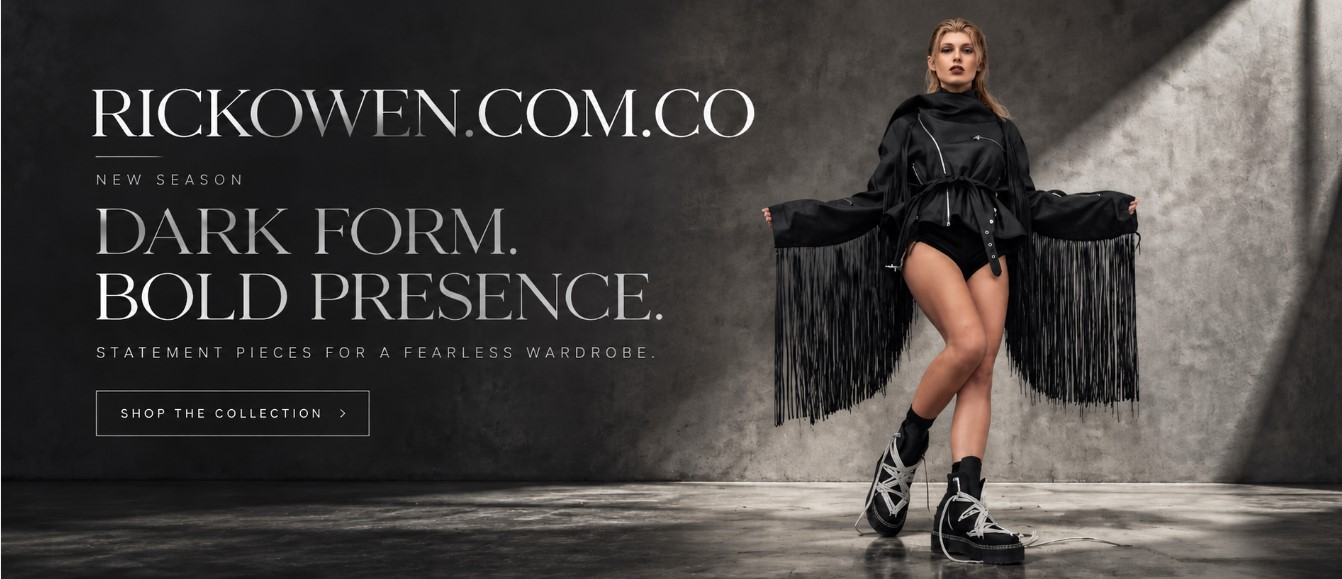

Anyone who has walked past a fashion boutique and spotted a pair of towering, sculptural high tops with a four figure price tag has probably asked the same thing: why are Rick Owens Geobaskets so expensive? The shoe looks like a basketball sneaker that took a detour through a sci fi film, and the cost seems to defy logic. The answer is a mix of materials, labor, brand positioning and pure scarcity. Here is a clear breakdown.
Premium Materials Drive the Cost
The first reason Rick Owens Geobaskets are expensive is the leather. Most pairs use thick, high grade calf leather or a soft suede, depending on the season. These materials are far denser than what is found on a typical mass market sneaker. Thick hides cost more to source, and they require more skill to cut and shape without wrinkling or tearing.
The soles are also heavy duty. The towering rubber and foam combination is built to hold its structure, and the tongue is often padded to stay upright instead of collapsing. Even the metal eyelets and the lace hardware are chosen for durability. Each component adds a little to the final bill.
Italian Craftsmanship and Slow Production
Most Geobaskets are made in Italy, a country with a long history of footwear production and skilled labor. Italian factories pay higher wages than many other manufacturing regions, and that cost carries through to the shelf price.
Production is also slower. A single pair can involve dozens of separate steps, from pattern cutting to lasting to hand finishing the leather. The oversized shape is difficult to build cleanly, because the tongue, flaps and sole all need to line up with precision. Mass produced sneakers can roll off a line in minutes. A Geobasket takes far more time and attention, and fewer pairs are produced as a result.
Small Batches Create Real Scarcity
Rick Owens does not flood the market. The label produces limited quantities per season, and certain colors or materials may only appear once. This restricted supply keeps demand high and gives collectors a reason to buy early.
When a popular version sells out, the resale market picks up the slack. Buyers who missed the release often pay a premium, which pushes the perceived value of the shoe even higher. Anyone who has tried to find a specific size in a certain colorway knows how quickly stock disappears. Scarcity is a major part of the pricing story, even if it is not written on the box.
Designer Brand Value Matters
A large share of what you pay for is the name and vision behind the shoe. Rick Owens has spent decades building a recognizable identity, one that blends gothic, brutalist and avant garde ideas. His work shows up on runways, in museums and in the wardrobes of musicians and artists.
That reputation carries weight. Buyers are not just paying for leather and rubber. They are paying for a design language that has influenced a generation of footwear and clothing. When a brand has this level of cultural standing, it can set prices that reflect its status rather than only its cost of production.
Research, Development and Design Complexity
The silhouette of the Geobasket is not accidental. Designing an exaggerated shape that still feels wearable takes repeated prototyping. Proportions must be tested, adjusted and tested again. The flaps need to sit correctly on the foot, and the sole must support the height without making the shoe awkward to walk in.
This design work is a real expense. Large scale brands spread it across millions of units. A smaller, limited production label spreads it across far fewer pairs, so each shoe carries a bigger share of the development cost.
Retail Markup and Distribution
Luxury footwear usually passes through boutiques and department stores before it reaches a customer. Each stage adds a margin to cover rent, staff, display and service. Shipping, import duties and local taxes can also raise the price depending on where you shop.
In regions with higher import costs, the same pair can cost noticeably more than it does in the country where it was made. Checking the price in several places before buying is always a sensible habit.
Are Rick Owens Geobaskets Worth the Money?
That depends on what you value. If you want a basic everyday sneaker, the cost is hard to justify. If you appreciate sculptural footwear, long lasting leather and a design with real fashion history, the price starts to make more sense. Many owners say the shoes hold up well with proper care, and the look stays relevant season after season.
A few practical tips can help you decide:
- Try them on in person if possible, since the sizing can run large.
- Consider how often you will actually wear a tall, heavy shoe.
- Look at the condition and authenticity details carefully if buying secondhand.
- Treat leather with suitable care products to extend its life.
Final Thoughts
So, why are Rick Owens Geobaskets so expensive? The answer is not one single factor. It is a combination of thick premium leather, Italian production, slow construction, limited supply, heavy design investment and a respected name in fashion. Each of these adds cost, and together they explain the price. Whether the shoe is worth it is a personal call, but understanding where the money goes makes the decision far easier.
Frequently Asked Questions
Why are Rick Owens Geobaskets so expensive?
They use thick premium leather, are made in small batches in Italy, and carry the value of a respected designer name. Complex construction and limited supply push the price higher.
Are Rick Owens Geobaskets made in Italy?
Most pairs are produced in Italy, where skilled footwear makers handle the cutting, lasting and finishing. Always check the label on a specific pair to confirm.
Do Rick Owens Geobaskets hold their value?
Popular and limited colorways often keep strong resale prices, especially in good condition. Value depends on demand, size and rarity, so results vary from pair to pair.

