

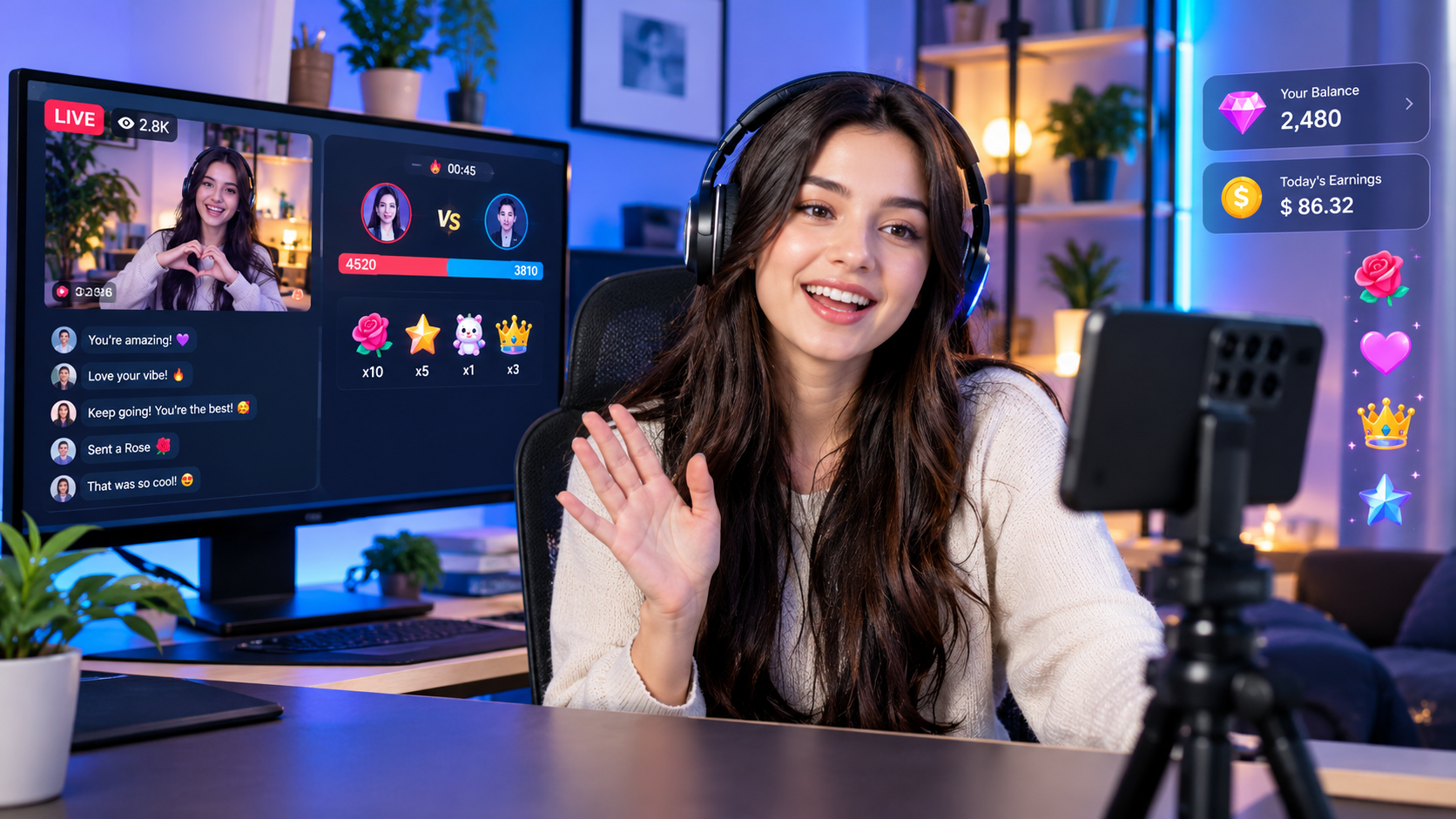
Which Is the Best Go Live Stream Platform in 2026? Compare Top Apps for Live Video, Real-Time Chat, Virtual Gifts, and Creator Earnings

Going live has become one of the most popular ways to communicate, entertain, and build an online audience. If you want to Go live stream, choosing the right platform can make a big difference in your streaming experience. Whether you are a beginner, professional streamer, gamer, influencer, or content creator, the right platform can help you share videos, communicate with viewers, and develop a loyal community. In 2026, creators have more options than ever, with different platforms offering interactive features, broadcasting tools, and opportunities to grow their online presence.
1. What Is a Go Live Stream Platform?
A live streaming platform is an online service that allows users to broadcast video and audio to viewers in real time. People can watch broadcasts, send comments, ask questions, and interact with creators while the stream is happening.
These platforms are used for different purposes, including:
-
Gaming and entertainment
-
Educational sessions
-
Music performances
-
Interviews and podcasts
-
Business presentations
-
Product demonstrations
-
Fitness and lifestyle content
-
Social conversations
-
Online events
-
Community discussions
Some platforms focus on social interaction, while others provide professional broadcasting tools and advanced streaming controls.
The best choice depends on your content, audience, technical requirements, and earning goals.
2. Best Live Streaming App 2026: What Features Should You Compare?
Finding the Best live streaming app 2026 requires more than looking at popularity. You should compare the features that can improve your broadcasting experience and help you connect with viewers.
Here are some important features to consider.
Video Quality: A good platform should support clear video and audio with reliable playback.
Real-Time Chat: Live comments and chat features allow viewers to communicate with creators.
Virtual Gifts: Some platforms let viewers send digital gifts to support their favorite streamers.
Creator Monetization: Advertising, subscriptions, donations, and sponsorship opportunities can help creators generate income.
Mobile Compatibility: A useful platform should make it easy to stream from smartphones and other supported devices.
Audience Analytics: Performance reports can help creators understand viewer activity, engagement, and audience growth.
Privacy and Moderation: Moderation tools, account controls, and reporting features help create a safer streaming environment.
3. YouTube Live – Best for General Content Creators
YouTube Live is one of the most popular options for creators who want to combine live broadcasts with regular video content.
It supports different streaming methods, including mobile devices, webcams, computers, encoders, and gaming consoles.
Creators can use it for:
-
Gaming broadcasts
-
Tutorials
-
Interviews
-
Educational content
-
Product launches
-
Podcasts
-
Live discussions
One major advantage is that recorded streams can remain available for viewers after the broadcast ends. This allows creators to build a library of content that people can discover later.
Eligible creators may also access monetization features such as advertising, channel memberships, and Super Chat.
Best for: General creators, educators, gamers, businesses, and established video channels.
4. Twitch – Best for Gaming and Interactive Streaming
Twitch is especially popular among gaming creators and streamers who want to build active communities.
Its live chat experience allows viewers to participate in discussions while watching their favorite broadcasters.
Twitch supports content categories such as:
-
Video games
-
Esports
-
Music
-
Creative activities
-
Talk shows
-
Entertainment
Creators can potentially earn through subscriptions, Bits, and advertising, depending on their eligibility and account status.
The platform is particularly useful for streamers who enjoy regular broadcasts and direct communication with viewers.
Best for: Gamers, professional streamers, esports communities, and interactive entertainers.
5. TikTok LIVE – Best for Mobile Live Streaming
TikTok LIVE is a popular option for creators who prefer mobile-first content and social interaction.
Creators can communicate with followers, answer questions, host interactive sessions, and use available live features to make broadcasts more engaging.
Some of its features include:
-
Real-time comments
-
Live gifts
-
Guest participation
-
Audience interaction
-
Moderation controls
-
Mobile broadcasting
TikTok LIVE access and monetization features depend on account eligibility, age, and regional availability.
Best for: Influencers, entertainers, lifestyle creators, and mobile content producers.
6. Instagram Live – Best for Influencers and Social Communities
Instagram Live is useful for creators who already have an active audience on Instagram.
It allows users to broadcast directly to followers and communicate through live comments.
Creators can use Instagram Live for:
-
Questions and answers
-
Interviews
-
Product promotions
-
Lifestyle discussions
-
Tutorials
-
Announcements
-
Collaborations
Its biggest advantage is the connection between live broadcasts and other Instagram content, including Stories and Reels.
Best for: Influencers, artists, lifestyle creators, and personal brands.
7. Facebook Live – Best for Communities and Businesses
Facebook Live can be useful for businesses, community organizations, and creators who already have followers on Facebook.
It supports different types of broadcasts, such as educational sessions, events, discussions, product demonstrations, and announcements.
Businesses can use live video to explain products, answer customer questions, and communicate directly with their communities.
Best for: Businesses, organizations, community pages, and social media creators.
8. Kick – An Alternative Platform for Streamers
Kick is another option for gaming and entertainment creators who want to explore different streaming communities.
It offers live broadcasting and audience interaction, with monetization opportunities subject to platform requirements.
Before choosing Kick, creators should consider audience availability, content categories, community standards, and the platform's current monetization terms.
A higher advertised revenue share does not automatically mean higher earnings. Audience size and viewer engagement are also important.
Best for: Gaming creators, variety streamers, and broadcasters exploring alternative platforms.
9. Live Streaming App for Creators: Which One Should You Choose?
A Live streaming app for creators should provide the tools needed to produce quality broadcasts and build an audience.
Different creators have different requirements.
For example:
| Creator Type | Suitable Platforms |
|---|---|
| Gaming creators | Twitch, YouTube Live, Kick |
| Social influencers | Instagram Live, TikTok LIVE |
| Educational creators | YouTube Live, Facebook Live |
| Business owners | YouTube Live, Facebook Live, LinkedIn Live |
| Entertainment streamers | Twitch, TikTok LIVE, YouTube Live |
| Community creators | Facebook Live, YouTube Live |
Do not select a platform simply because another creator is successful on it. Consider where your own audience spends time and which features support your content.
10. Virtual Gifts and Apps to Make Money Live Streaming
Many creators want to earn income while sharing their content. Several Apps to make money live streaming provide different monetization options.
Virtual gifts are one example.
Viewers may purchase digital items and send them to creators during live broadcasts. Depending on the platform's payment system, eligible creators can receive a share of the value.
Other earning methods include:
-
Viewer donations
-
Paid subscriptions
-
Channel memberships
-
Advertising revenue
-
Brand sponsorships
-
Affiliate marketing
-
Product sales
-
Paid online events
Each platform has different payment policies, eligibility requirements, and revenue-sharing arrangements.
Creators should check these details before depending on a platform for regular income.
11. Live Streaming Apps That Pay Creators: How Do They Work?
There are several Live streaming apps that pay creators, but not every platform uses the same payment system.
Some platforms focus on virtual gifts, while others offer advertising revenue, subscriptions, or creator programs.
For example, eligible YouTube creators may use advertising and fan-funding features. Twitch offers monetization options such as subscriptions, Bits, and ads. TikTok LIVE provides virtual gifting features to eligible accounts.
However, receiving payments usually requires meeting specific conditions.
Before joining a monetization program, check:
-
Minimum eligibility requirements
-
Payment methods
-
Revenue-sharing percentages
-
Minimum withdrawal amounts
-
Country restrictions
-
Account policies
-
Tax requirements
Always review the latest official rules because monetization policies can change.
12. Real-Time Chat and Live Video Chat App Features
A Live video chat app can make online broadcasting more interactive.
Instead of simply watching a video, viewers may have opportunities to communicate with creators through comments, questions, and guest participation.
Useful features include:
-
Real-time messaging
-
Video guest invitations
-
Audience reactions
-
Live questions
-
Comment moderation
-
Private communication options
-
Interactive discussions
These features are especially helpful for interviews, educational sessions, social entertainment, and community broadcasts.
Good communication can encourage viewers to stay involved and return for future streams.
13. Group Video Chat App Features for Live Collaborations
A Group video chat app can help creators bring several people into one conversation.
This feature is useful for collaborative broadcasts where multiple participants want to appear on screen.
Some popular uses include:
-
Group interviews
-
Online podcasts
-
Gaming discussions
-
Educational sessions
-
Panel conversations
-
Business meetings
-
Creator collaborations
-
Community events
Group streaming can also introduce creators to new audiences. When two or more creators collaborate, they can share the broadcast with their respective communities.
14. How to Start Go Live Streaming as a Beginner
If you are new to broadcasting, learning to Go live streaming does not have to be difficult.
You can begin with a smartphone, a reliable internet connection, and a clear topic.
Follow these steps:
-
Choose a live streaming platform.
-
Create or prepare your account.
-
Decide what type of content you want to share.
-
Prepare your camera and microphone.
-
Check your internet connection.
-
Write an interesting stream title.
-
Select the appropriate privacy settings.
-
Start your broadcast.
-
Communicate with viewers.
-
Review your performance after the stream.
Your first broadcast does not need to be perfect. Focus on learning the platform and improving your presentation over time.
15. Tips for Better Video Quality and Streaming Performance
Video quality plays an important role in the viewing experience.
Even interesting content can become difficult to watch if the audio is unclear or the video constantly buffers.
Here are some ways to improve your streaming quality:
Use a Good Microphone: Clear audio helps viewers understand your content.
Improve Lighting: Proper lighting makes your face and surroundings easier to see.
Check Internet Speed: A stable upload connection can reduce interruptions.
Choose Suitable Resolution: Select video settings that your device and internet connection can support.
Keep Your Background Clean: A simple background can make your broadcast look more professional.
Test Before Broadcasting: Always check your camera, microphone, and connection before an important event.
16. How to Grow Your Audience on Live Streaming Platforms
Growing an audience takes time, patience, and consistency.
Instead of focusing only on viewer numbers, work on building a community that enjoys your content.
Consider these strategies:
-
Create a regular streaming schedule.
-
Choose a specific content category.
-
Use clear and interesting titles.
-
Communicate with viewers.
-
Answer questions during broadcasts.
-
Share short clips from your streams.
-
Collaborate with other creators.
-
Promote upcoming broadcasts on social media.
-
Study your audience analytics.
You should also experiment with different content formats to understand what viewers enjoy most.
17. Free vs. Paid Live Streaming Platforms
Many popular social streaming destinations allow creators to start broadcasting without paying a platform subscription.
However, professional streaming services may offer additional features through paid plans.
| Feature | Free Platforms | Paid Streaming Services |
|---|---|---|
| Basic broadcasting | Often available | Available |
| Audience interaction | Basic to advanced | Depends on service |
| Branding controls | May be limited | Often more flexible |
| Analytics | Basic or advanced | Often advanced |
| Privacy controls | Platform-dependent | May offer more control |
| Professional production | May require external tools | Often includes additional tools |
Before paying for a service, consider whether its features are necessary for your content.
For beginners, improving audio, lighting, and internet quality may be a better investment.
18. How to Select the Right Platform for Your Goals
Choosing a streaming platform becomes easier when you understand your priorities.
Ask yourself these questions:
Do you want to stream gaming content? Consider platforms with strong gaming communities and interactive chat.
Are you an influencer? Choose a platform where your existing followers are active.
Do you want to earn money? Compare subscriptions, gifts, advertising, sponsorships, and payment requirements.
Do you need professional video tools? Consider services that support advanced broadcasting, branding, privacy, and production features.
Are you a beginner? Start with a platform that is easy to understand and supports your preferred device.
The right platform should match your long-term content strategy rather than simply follow current trends.
19. Final Thoughts: Which Is the Best Go Live Stream Platform in 2026?
Choosing the best platform depends on your content, audience, and personal goals. YouTube Live is a strong all-around option for creators who want live broadcasts and recorded videos together. Twitch is particularly useful for gaming and community-focused streams. TikTok LIVE and Instagram Live are attractive for social influencers, while Facebook Live can support businesses and established communities. Kick is another option worth exploring for gaming and variety content.
The most important thing is to select a platform that supports your broadcasting style and provides the features you actually need.
At golivestreamers, the focus is on helping creators understand live streaming opportunities, discover useful platforms, and learn about tools that support online growth.
Start with one platform, improve your content, interact with viewers, and build a consistent streaming routine. As your audience grows, you can explore additional platforms and develop new ways to connect with viewers.
5 Frequently Asked Questions
1. Which is the best Go Live Stream platform in 2026?
The best platform depends on your needs. YouTube Live is a strong all-around option, Twitch is popular for gaming, TikTok LIVE is useful for social discovery, and Instagram Live works well for influencers.
2. Can I earn money from live streaming apps?
Yes. Eligible creators may earn through virtual gifts, subscriptions, advertising, donations, sponsorships, affiliate marketing, and product sales. Payment conditions vary between platforms.
3. Which platform offers the best virtual gifts for creators?
TikTok LIVE is well known for its virtual gifting system. Other platforms also offer viewer support features, but availability and payment rules depend on the service and account eligibility.
4. What equipment do I need to start live streaming?
You can start with a smartphone or computer, a reliable internet connection, a camera, and a microphone. Good lighting and a quiet environment can also improve your broadcast quality.
5. How can beginners grow their live streaming audience?
Beginners should choose a clear content category, stream consistently, communicate with viewers, create interesting titles, share stream highlights, and collaborate with other creators.

