

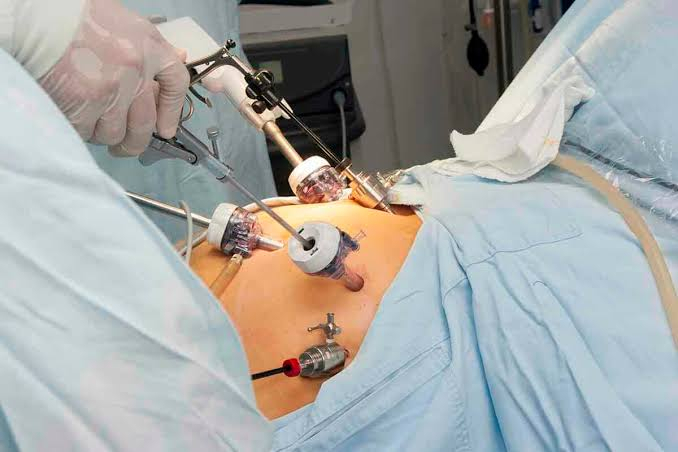

Severe obesity is a complex health condition that can affect mobility, metabolic function, emotional wellbeing, and overall quality of life. It is often associated with medical problems such as type 2 diabetes, high blood pressure, fatty liver disease, sleep apnoea, and joint pain. When lifestyle changes and other weight-management treatments do not provide sufficient results, specialist care may be needed. A Metabolic Surgeon in Dubai can assess the patient's health, identify suitable treatment options, and determine whether metabolic surgery may help manage severe obesity. The approach focuses on improving long-term health rather than achieving weight loss alone.
Understanding Severe Obesity and Its Health Effects
Severe obesity involves a high level of excess body weight that can increase the risk of several medical conditions. It may place additional pressure on the heart, lungs, joints, and other body systems. Some patients experience difficulty walking, breathlessness, fatigue, and disrupted sleep, while others develop metabolic conditions such as insulin resistance and type 2 diabetes. Severe obesity can also affect confidence, social participation, and emotional health. Understanding how the condition affects each patient helps the surgeon develop a treatment plan that addresses both weight and related health concerns.
Evaluating the Patient's Medical History
A metabolic surgeon begins by reviewing the patient's medical and weight history. This includes previous weight-loss attempts, changes in body weight, eating habits, physical activity, medications, family history, and existing health conditions. The surgeon may also ask about sleep quality, stress, mobility, and any symptoms associated with obesity. This information helps identify possible reasons why weight management has been difficult and whether an underlying medical condition requires attention. A detailed history also provides a starting point for setting realistic treatment goals.
Assessing BMI and Obesity-Related Conditions
Body mass index is commonly used to help assess obesity severity and determine whether a patient may meet the criteria for metabolic surgery. Traditional eligibility guidelines often include a BMI of 40 or higher, or 35 or higher when obesity-related health conditions are present. Updated guidelines also support considering surgery for selected patients with a BMI of 30–34.9 who have metabolic disease that has not improved adequately with non-surgical treatment. However, BMI is not the only deciding factor. The surgeon also considers waist measurements when relevant, diabetes, high blood pressure, sleep apnoea, fatty liver disease, and the overall impact of excess weight on health.
Identifying Factors That Contribute to Severe Obesity
Severe obesity can develop through a combination of biological, medical, behavioural, and environmental factors. Insulin resistance, hormonal conditions, certain medications, poor sleep, emotional eating, and limited physical activity may all influence body weight. Genetics and family history can also contribute to an individual's risk. A metabolic surgeon reviews these factors and may recommend blood tests or specialist consultations when an underlying condition is suspected. Identifying contributing factors helps ensure that treatment addresses the patient's overall health rather than focusing only on food intake or exercise.
Developing an Individualised Weight Management Plan
Every patient has different health needs, so treatment should be personalised. After completing the assessment, the metabolic surgeon discusses suitable options based on the patient's weight, medical conditions, previous treatment history, and overall fitness. Some patients may benefit from a structured lifestyle programme, while others may require prescription medication or metabolic surgery. The plan may also involve a dietitian, physician, psychologist, or other specialists. This coordinated approach helps patients receive support for the different factors that contribute to severe obesity.
Using Nutrition and Lifestyle Changes as Part of Treatment
Healthy eating and physical activity remain important parts of obesity management, even when medical or surgical treatment is recommended. A registered dietitian can help patients develop balanced meals, manage portion sizes, prioritise protein, and choose foods that support nutritional health. Patients may also be encouraged to reduce sugary drinks and frequent consumption of highly processed foods. Physical activity should be introduced gradually according to mobility and medical condition. These habits can improve metabolic health, prepare patients for possible surgery, and support weight maintenance over time.
Considering Medical Weight Loss Treatments
Prescription weight-management medication may be appropriate for selected patients with severe obesity. Depending on the patient's medical history and eligibility, a specialist may discuss medicines that influence appetite, fullness, or blood glucose regulation. These treatments can support weight reduction when combined with nutritional guidance, physical activity, and behavioural changes. The surgeon or prescribing specialist reviews possible side effects, contraindications, and interactions with other medications before recommending treatment. Regular monitoring helps determine whether the medicine is effective and whether adjustments are needed.
Determining Whether Metabolic Surgery Is Suitable
Metabolic surgery may be considered when a patient meets clinical eligibility criteria and non-surgical treatments have not provided sufficient improvement. The surgeon evaluates BMI, obesity-related conditions, previous weight-management efforts, and overall fitness for an operation. The assessment also considers whether the patient understands the changes required after surgery, including dietary adjustments, nutritional supplements, and long-term follow-up. Surgery is not appropriate for everyone, and the potential benefits must be weighed against possible complications. A detailed consultation helps patients understand whether this approach is suitable for their circumstances.
Choosing the Right Metabolic Surgery Procedure
Different metabolic procedures support weight loss through changes in stomach capacity, digestion, and appetite-related hormonal signals. Sleeve gastrectomy reduces the size of the stomach, helping patients feel full after smaller meals. Gastric bypass creates a smaller stomach pouch and changes the route food takes through part of the digestive system. Other procedures may be considered in selected cases according to the patient's health and treatment history. The surgeon explains how each procedure works, its expected benefits, possible risks, and long-term nutritional requirements before recommending an option.
Preparing for Metabolic Surgery
Preoperative preparation helps identify health concerns and improve the patient's readiness for surgery. The medical team may recommend blood tests, heart and lung assessments, nutritional screening, and evaluations of existing conditions such as diabetes or high blood pressure. Some patients may need additional investigations or consultations with specialists. The surgeon may also advise stopping smoking, addressing nutritional deficiencies, and following a specific eating plan before the procedure. Patients receive information about recovery, dietary changes, physical activity, and possible complications so they can make an informed decision.
Supporting Recovery and Post-Surgical Care
Recovery after metabolic surgery involves following medical instructions and gradually adapting to changes in digestion and food intake. Patients usually progress through different dietary stages, beginning with liquids and moving towards soft foods and suitable solid meals. Adequate protein, hydration, and prescribed vitamin and mineral supplements are important for nutritional health. Physical activity is gradually increased according to recovery progress and medical advice. Follow-up appointments allow the surgeon and care team to monitor healing, address digestive symptoms, and assess weight changes.
Managing Obesity-Related Health Conditions
Severe obesity often occurs alongside other health problems that require ongoing care. Metabolic surgery may improve conditions such as type 2 diabetes, high blood pressure, sleep apnoea, and fatty liver disease in some patients. However, improvement varies, and surgery does not guarantee that these conditions will disappear. Patients may still need medication, blood tests, and specialist appointments after weight loss. The metabolic surgeon can coordinate with other healthcare professionals to monitor these conditions and adjust treatment when appropriate.
Preventing Weight Regain Through Long-Term Support
Managing severe obesity requires continued attention after the initial weight-loss period. Some patients experience weight regain because of changes in eating habits, reduced activity, medical conditions, or other factors. Regular follow-up helps identify these challenges and allows the care team to recommend appropriate support. Nutritional counselling, behavioural treatment, physical activity, and medical management may all contribute to maintaining progress. In selected cases, prescription medication or assessment for revisional treatment may be considered. Long-term care helps patients respond to changes in weight and health rather than managing difficulties alone.
Conclusion
A metabolic surgeon can help manage severe obesity through a detailed health assessment and a treatment plan tailored to the patient's needs. Depending on eligibility, care may involve lifestyle changes, medical weight-management treatments, or metabolic surgery. The process also includes preparation, recovery guidance, monitoring of obesity-related conditions, and long-term support to reduce the risk of weight regain. Although no treatment guarantees permanent results, a coordinated approach can help eligible patients achieve meaningful weight loss and improve their overall health.
Frequently Asked Questions
When Should Someone With Severe Obesity Consult a Metabolic Surgeon?
A person may consider consulting a metabolic surgeon when severe obesity affects their health or daily activities and previous weight-management efforts have not provided sufficient results. A specialist can review medical history, BMI, related conditions, and available treatment options.
Can Metabolic Surgery Treat Severe Obesity Permanently?
Metabolic surgery can support substantial and lasting weight loss, but it cannot guarantee permanent results. Long-term outcomes depend on eating habits, physical activity, medical follow-up, and individual health factors. Some patients may experience weight regain and require additional support.
What BMI Is Required for Metabolic Surgery?
Traditional criteria often include a BMI of 40 or higher, or 35 or higher with obesity-related health conditions. Updated guidelines also support considering surgery for selected patients with a BMI of 30–34.9 who have metabolic disease that has not responded adequately to non-surgical treatment. Final eligibility depends on an individual medical assessment.
Can Metabolic Surgery Improve Type 2 Diabetes?
Metabolic surgery may improve blood glucose control and insulin sensitivity in suitable patients with type 2 diabetes. Some patients achieve diabetes remission, but this is not guaranteed or necessarily permanent. Continued monitoring remains important after surgery.
Which Metabolic Surgery Is Suitable for Severe Obesity?
Sleeve gastrectomy and gastric bypass are commonly used procedures, while other options may be appropriate for selected patients. The most suitable procedure depends on BMI, medical conditions, digestive health, previous treatments, and surgical risks. A specialist assessment is needed before choosing an operation.
How Long Does Recovery Take After Metabolic Surgery?
Recovery varies according to the procedure and the patient's overall health. Many patients gradually return to routine activities over the following weeks, but complete recovery and adjustment to new eating habits take longer. The surgeon provides individual guidance about work, exercise, diet, and follow-up.
Can Severe Obesity Return After Metabolic Surgery?
Weight regain can occur after surgery, although the amount varies between patients. Changes in eating habits, physical activity, medical conditions, and other factors may contribute. Regular follow-up and timely nutritional or medical support can help patients manage these changes.
Is Metabolic Surgery the Only Treatment for Severe Obesity?
No. Treatment may include structured nutrition programmes, physical activity, behavioural support, and prescription weight-management medication. Metabolic surgery is one option for eligible patients when the potential benefits outweigh the risks. The most appropriate approach depends on the individual's health and treatment history.

