

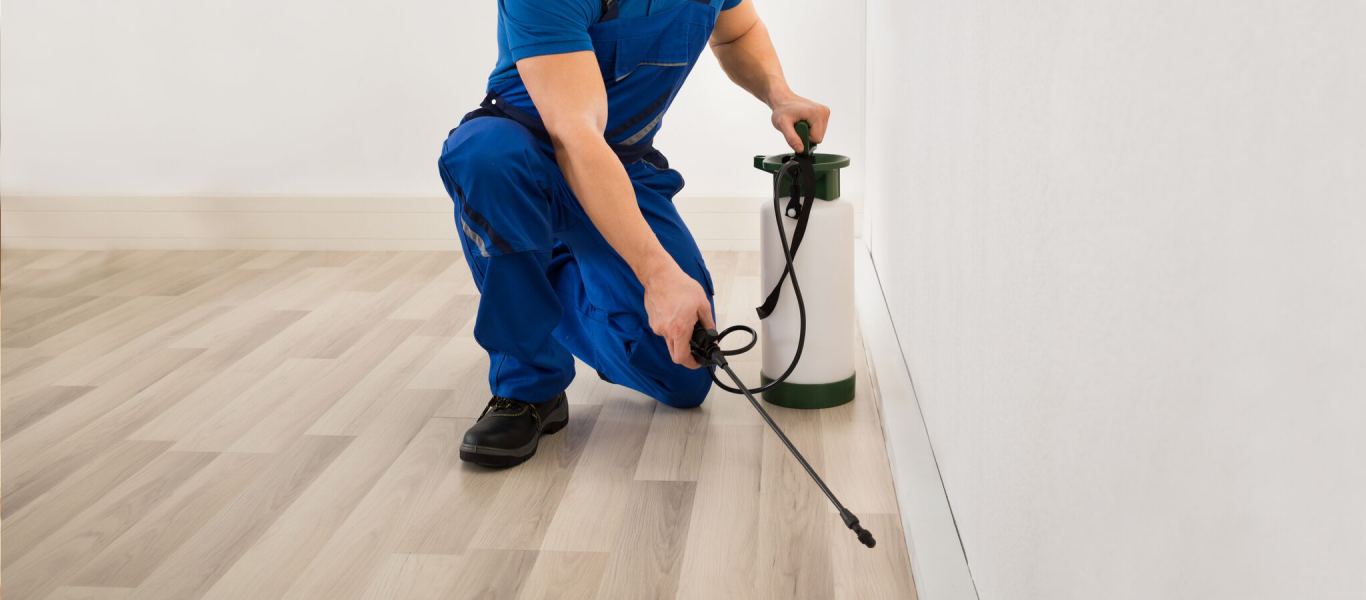

Keeping a property clean and protected involves more than regular housekeeping. Insects, rodents, and other unwanted pests can enter through small openings, hide in storage areas, and create problems that may go unnoticed for weeks. They can damage furniture, contaminate food, affect indoor comfort, and sometimes cause structural problems. A pest inspection service helps property owners identify signs of pest activity, locate possible entry points, and understand what steps may be needed to address an infestation. Regular inspections can also help prevent minor concerns from developing into more serious problems.
Why Pest Inspections Matter
Pests often remain hidden in places that are difficult to reach, including wall cavities, basements, attics, crawl spaces, and areas behind appliances. By the time homeowners notice visible insects or rodents, the problem may have already spread. An inspection provides a closer look at areas where pests commonly live, feed, and reproduce. It can reveal early warning signs such as droppings, damaged materials, insect remains, nests, and unusual odors. A pest inspection service in West Jefferson gives property owners useful information about the condition of their buildings and helps them make informed decisions about treatment and prevention.
Common Pests Found in Properties
Different properties can experience different pest problems depending on their location, construction, cleanliness, and surrounding environment. Ants commonly enter kitchens and storage areas in search of food, while cockroaches prefer warm, damp places near plumbing and appliances. Mice and rats may enter through gaps around doors, pipes, and foundations. Termites can damage wooden structures, flooring, and other materials, sometimes without creating obvious signs at first. Bed bugs may spread through mattresses, furniture, luggage, and clothing. Identifying the pest correctly is an important part of a pest inspection service because each species requires a suitable inspection and control approach.
Signs of Pest Activity to Watch For
Recognizing early signs can help prevent a small infestation from becoming difficult to manage. Droppings near cupboards, damaged food packaging, scratching sounds inside walls, and unusual smells may indicate rodent activity. Insect-related signs include shed skins, egg cases, wings, nests, and repeated sightings in the same area. Homeowners may also notice small holes in wood, damaged fabrics, or unexplained marks along walls and floors. Termite activity can sometimes appear as mud tubes, hollow-sounding wood, or discarded wings near windows and doors. When these signs appear, arranging a pest inspection service can help determine their source and identify whether further action is necessary.
What Happens During a Pest Inspection
A thorough inspection usually begins with a discussion about the property's history and any pest concerns reported by the owner. The inspector then examines areas where insects and rodents may enter, hide, or find food and water. This may include kitchens, bathrooms, storage rooms, garages, basements, attics, utility areas, and exterior walls. The inspector may look for moisture problems, structural gaps, damaged screens, nesting materials, and other conditions that encourage pest activity. Depending on the property and the suspected pest, additional inspection methods may be recommended. A detailed pest inspection service should explain the findings clearly and identify areas that need attention.
Inspecting Kitchens and Moisture-Prone Areas
Kitchens, bathrooms, laundry rooms, and utility spaces often attract pests because they provide access to water, food, and shelter. Small food particles, uncovered rubbish, leaking pipes, and standing water can create suitable conditions for insects and rodents. Inspectors may check beneath sinks, behind appliances, around drains, and inside cupboards for signs of activity. They may also examine ventilation and plumbing areas where moisture can collect. Addressing these conditions can make a property less attractive to pests. During a pest inspection service, identifying the source of moisture or food access is just as important as locating the pests themselves.
Residential and Commercial Pest Inspections
Homes and business properties have different inspection requirements. Residential inspections often focus on kitchens, bedrooms, bathrooms, storage spaces, and areas around the building's foundation. Families may be particularly concerned about pests that affect food storage, sleeping areas, or children's spaces. Commercial properties may require additional attention to warehouses, kitchens, staff rooms, loading areas, waste storage, and inventory. Restaurants and food businesses need to pay close attention to hygiene and pest prevention because contamination can affect products and operations. A suitable pest inspection service should consider how the property is used and adapt its inspection process to the building's layout and specific risks.
Understanding Inspection Reports and Recommendations
After completing an inspection, the findings should be explained in a clear and useful report. This may include the type of pest identified, the areas affected, visible evidence, possible entry points, and conditions that may contribute to the problem. Photographs can help property owners understand where activity was found and what needs attention. Recommendations may include sealing openings, repairing leaks, improving waste storage, removing nesting materials, or arranging targeted treatment. Not every inspection results in a recommendation for chemical treatment. A responsible pest inspection service should explain the available options and distinguish between confirmed activity, possible risks, and general preventive advice.
Choosing a Suitable Pest Inspection Provider
Selecting an inspection provider requires attention to experience, communication, and the methods used. Ask whether the inspector has experience identifying the pests commonly found in your type of property. It is also useful to discuss the inspection areas, reporting process, expected duration, and whether follow-up visits are available. Check any licensing, certification, or training requirements that apply in your area. A good provider should explain the inspection findings without using confusing technical language or recommending unnecessary treatments. Before booking a pest inspection service, request details about what the inspection includes and whether the quoted price covers a written report.
Factors That Affect Inspection Costs
The cost of an inspection can vary depending on the property's size, layout, location, and the type of pest being investigated. A small apartment may require less time than a large house, warehouse, or commercial facility with multiple storage areas. The presence of suspected termites, bed bugs, or rodents may also require more detailed examination. Additional costs can apply if specialized testing, monitoring, or follow-up visits are recommended. Before arranging an appointment, ask for a clear estimate and confirm whether treatment is included or charged separately. Comparing providers based on inspection coverage, reporting quality, and experience can help property owners understand the value of a pest inspection service.
Protect Your Property Through Regular Inspections
Preventing pest problems requires attention throughout the year. Keep food in sealed containers, clean spills promptly, remove rubbish regularly, and avoid allowing standing water to collect. Repair damaged window screens, seal gaps around pipes and doors, and maintain areas around the building's exterior. Storage spaces should remain organized so that signs of pest activity are easier to recognize. Properties with previous infestations or conditions that attract pests may benefit from periodic inspections. A pest inspection service can help identify developing concerns and provide practical recommendations before they become more difficult to manage.
Conclusion: Take Action Before Pest Problems Grow
Pest problems can affect comfort, hygiene, belongings, and the condition of a property. Early identification makes it easier to understand the source of an infestation and choose an appropriate response. Regular checks, proper sanitation, building maintenance, and timely treatment all contribute to better pest prevention. Arranging a pest inspection service gives homeowners and business owners a clearer understanding of potential risks and the steps needed to address them. By paying attention to warning signs and maintaining suitable preventive habits, property owners can create a cleaner environment and reduce the likelihood of recurring pest problems.

