

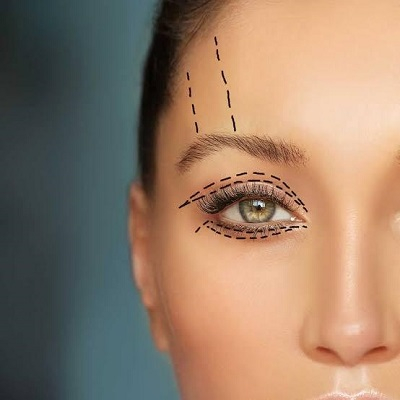

As people get older, the skin around the eyes naturally loses some of its elasticity. The muscles and supporting tissues may also weaken, leading to drooping upper eyelids, loose skin, puffiness, or bags beneath the eyes. These changes are a normal part of ageing, but they can sometimes affect confidence and, in certain cases, interfere with everyday activities such as reading or driving.
Eyelid surgery, also known as blepharoplasty, may help address some of these concerns. However, older adults often have an important question before considering treatment: is the procedure safe at an advanced age? People researching Eyelid Surgery in Muscat should understand that age alone does not determine whether someone is suitable for surgery. Overall health, eye condition, medical history, and the specific treatment goals are all important factors when assessing safety.
1. Is Eyelid Surgery Safe for Older Adults?
Eyelid surgery can be a suitable option for some older adults, provided they are in appropriate health and undergo a thorough medical assessment beforehand. There is no single age at which the procedure automatically becomes unsuitable. Instead, suitability depends on the individual's physical condition, eye health, and ability to recover safely.
Many age-related changes around the eyes can be addressed through upper or lower eyelid surgery. For example, excess upper eyelid skin may create a heavy appearance, while lower eyelid fat and loose skin can contribute to under-eye bags.
However, older adults may have health considerations that require additional attention. Conditions such as high blood pressure, diabetes, heart disease, and certain eye disorders can influence surgical planning and recovery. Medications that affect blood clotting may also need to be reviewed.
A careful assessment helps determine whether the potential benefits outweigh the risks. It also allows the surgical team to recommend an appropriate approach or suggest alternatives when surgery may not be the safest choice.
2. How Ageing Affects the Eyelids and Surrounding Skin
Ageing affects the delicate tissues around the eyes in several ways. Understanding these changes helps explain why eyelid surgery may be considered by older adults.
Loss of skin elasticity
Over time, collagen and elastin levels decline, making the skin less firm and flexible. The upper eyelids may develop loose folds, while the lower eyelids can become more wrinkled or creased.
Changes in supporting muscles
The muscles responsible for eyelid movement and support can weaken with age. In some individuals, this contributes to drooping upper eyelids or changes in the position of the lower eyelids.
Fat redistribution
Fat around the eyes provides natural cushioning and support. As the surrounding tissues change, fat may become more noticeable, creating puffiness or under-eye bags.
Drooping upper eyelids
Excess skin may hang over the natural eyelid crease. In more significant cases, it can extend towards the eyelashes and interfere with the upper field of vision.
Changes in eye comfort
Older adults may be more likely to experience dry eyes or other age-related eye conditions. These issues are particularly important because eyelid surgery can temporarily affect eye comfort and, in some circumstances, eyelid closure.
Not every age-related change requires surgery. A professional evaluation helps identify whether the concern is caused by excess skin, weakened muscles, fat distribution, or another condition that may need a different treatment approach.
3. What Health Factors Should Older Adults Consider Before Surgery?
A person's general health is one of the most important considerations when evaluating the safety of eyelid surgery. Older adults may have medical conditions or take medications that influence the procedure and recovery.
Some important factors include:
-
Heart health: A history of heart disease or other cardiovascular conditions should be discussed before surgery.
-
Blood pressure: Uncontrolled high blood pressure may increase the risk of bleeding and other complications.
-
Diabetes: Blood sugar control can influence wound healing and infection risk.
-
Eye conditions: Dry eye, glaucoma, previous eye surgery, and other eye-related conditions may affect treatment planning.
-
Blood-thinning medication: Certain prescription medications and supplements can increase bleeding risk.
-
Smoking: Nicotine can reduce blood flow to healing tissues and may interfere with recovery.
-
Previous surgical history: Earlier procedures around the eyes may influence the available surgical options.
Patients should provide a complete list of their medications, supplements, allergies, and medical conditions. Medication should never be stopped or adjusted without guidance from the prescribing healthcare professional.
A preoperative assessment may include a review of general health, an examination of the eyelids, and an evaluation of eye function. In some cases, additional testing or an assessment by an eye specialist may be recommended.
4. What Are the Possible Risks of Eyelid Surgery in Older Adults?
Like any surgical procedure, eyelid surgery carries potential risks. Most patients experience temporary swelling and bruising, but certain complications can require further medical attention.
Older adults may need particular consideration if they already have dry eyes, reduced eyelid support, or other eye-related concerns.
Possible risks include:
Dryness and irritation
Some patients experience temporary dry eyes, watering, or a gritty sensation after surgery. Those who already have dry-eye symptoms may be more vulnerable to discomfort during recovery.
Difficulty closing the eyes
If too much upper eyelid skin is removed or the tissues do not heal as expected, the eyelids may not close completely. This can expose the surface of the eye and cause dryness or irritation.
Bleeding and bruising
Swelling and bruising are common after eyelid surgery. More significant bleeding is less common but can be serious, particularly if it affects the area around the eye.
Infection
Although uncommon, infection can occur at the incision site. Increasing redness, warmth, pain, fever, or unusual discharge should be assessed promptly.
Changes in eyelid position
The eyelids may heal in a position that differs from the intended result. Lower eyelid surgery, in particular, requires careful attention to eyelid support to reduce the risk of pulling or outward turning.
Scarring or asymmetry
Incisions usually heal gradually, but scars may remain visible for some time. Differences between the two sides can also occur because natural facial asymmetry and individual healing patterns affect the final appearance.
Serious complications, including vision-threatening bleeding, are rare but require urgent attention. Sudden vision changes, severe eye pain, or rapidly increasing swelling should never be ignored.
5. How Can Older Adults Prepare for a Safer Procedure?
Good preparation helps the surgical team understand the patient's needs and identify possible risks before treatment. Older adults can take several practical steps to support appropriate planning.
Attend a detailed consultation
The consultation should cover the patient's expectations, medical history, eye health, and reasons for considering surgery. It is also an opportunity to discuss whether the main concern is cosmetic or related to vision.
Complete recommended health assessments
Depending on the individual's age and medical history, the surgical team may recommend blood tests, an anaesthesia assessment, or an eye examination. These checks help identify concerns that could affect treatment.
Review medications
Prescription medicines, over-the-counter products, and supplements should all be disclosed. Some may influence bleeding, blood pressure, or healing. Any changes should be made only under appropriate medical guidance.
Discuss dry-eye symptoms
Patients who experience burning, itching, watering, or a gritty feeling should mention these symptoms before surgery. Existing eye dryness may need to be managed as part of the treatment plan.
Arrange support during recovery
Older adults may benefit from having a family member or trusted person available after surgery, especially during the first day or two. Support can help with transportation, medication instructions, meals, and daily activities.
Follow preoperative instructions
Instructions about eating, drinking, medication, and preparing for anaesthesia should be followed carefully. These details may differ depending on the planned procedure and anaesthesia method.
Preparation is not simply about appearance. It helps ensure that the procedure is planned around the patient's overall health and individual circumstances.
6. What Is Recovery Like for Older Patients?
Recovery after eyelid surgery varies from person to person. Older adults may heal at a different pace depending on their general health, skin condition, circulation, and the extent of surgery.
During the first few days, swelling, bruising, mild discomfort, and tightness around the eyes are common. Some patients also experience temporary watering or dryness. Cold compresses, head elevation, and prescribed medication may be recommended to make this period more comfortable.
During the first one to two weeks, bruising and swelling generally begin to improve. Depending on the surgical technique, stitches may be removed or allowed to dissolve during this period. Patients should avoid rubbing the eyes and follow instructions about cleaning the treated area.
Over the following weeks, the eyelids gradually settle. Some residual swelling or tightness may remain, even after the patient has resumed many normal activities.
Older adults should avoid comparing their recovery with that of younger patients. Healing depends more on individual health and tissue response than on age alone. Patients with diabetes, circulation problems, or other medical conditions may require additional monitoring.
It is also important to attend follow-up appointments. These allow the surgical team to assess healing, check eyelid position, and address concerns such as persistent dryness or difficulty closing the eyes.
7. Who May Be a Good Candidate for Eyelid Surgery Later in Life?
Older adults may be considered suitable candidates when they have a specific concern that eyelid surgery can reasonably address and are healthy enough to undergo the procedure.
Potential candidates may include individuals who:
-
Have excess upper eyelid skin that creates a heavy or tired appearance.
-
Experience under-eye bags caused by changes in fat distribution.
-
Have loose eyelid skin that affects their comfort or appearance.
-
Have realistic expectations about what surgery can achieve.
-
Are in stable overall health and can follow postoperative instructions.
-
Understand the potential risks, limitations, and recovery requirements.
However, some concerns require a different approach. For example, drooping caused by a weakened eyelid-lifting muscle, known as ptosis, may need a different surgical procedure from standard upper eyelid skin removal. Similarly, visual problems should be assessed properly rather than automatically attributed to excess skin.
Patients should also understand that eyelid surgery does not stop the ageing process. It may improve certain features, but natural changes in the skin and surrounding tissues continue over time.
Frequently Asked Questions
1. Is there an age limit for eyelid surgery?
There is no universal age limit for eyelid surgery. Suitability depends on general health, eye condition, medical history, and the ability to recover safely. Some older adults may be suitable candidates, while others may need additional assessment or alternative treatment.
2. Can a person in their seventies have eyelid surgery?
A person in their seventies may be considered for eyelid surgery if their health and eye condition make the procedure appropriate. Age alone does not determine eligibility. A detailed medical and eye assessment is important before making a decision.
3. Is eyelid surgery riskier for older adults?
Older adults may have additional health considerations, such as diabetes, high blood pressure, dry eyes, or medication-related bleeding risks. These factors can influence surgical safety, but they do not automatically prevent someone from having the procedure.
4. Does eyelid surgery improve vision in older patients?
If excess upper eyelid skin obstructs the field of vision, surgery may improve peripheral or upper-field vision in suitable patients. However, not all vision problems are caused by drooping eyelid skin, so an appropriate eye examination is important.
5. Do older adults take longer to recover from eyelid surgery?
Recovery varies according to general health, the extent of surgery, and individual healing. Some older adults may need additional time, particularly if they have conditions that affect circulation or wound healing. Following aftercare instructions and attending follow-up appointments can support recovery.
6. Can older adults have both upper and lower eyelid surgery?
Some older adults may be suitable for combined upper and lower eyelid surgery. However, treating both areas may involve a more extensive recovery and requires careful assessment of eyelid support, eye comfort, and overall health. The recommended approach should be based on individual needs.
Final Thoughts
Eyelid surgery can be a suitable option for some older adults, but safety depends on much more than age. General health, eye condition, medication use, skin quality, and the type of eyelid concern all influence whether surgery is appropriate.
A thorough consultation and careful medical assessment help identify potential risks and establish realistic expectations. Older adults should feel comfortable discussing their health history, asking questions about recovery, and understanding possible complications before deciding to proceed.
With appropriate patient selection, careful planning, and proper aftercare, eyelid surgery may help address age-related eyelid changes while prioritising eye health and overall safety.
Read More About Eyelid Surgery in Muscat: https://www.bizforgeusa.com/articles/is-eyelid-surgery-painful-what-patients-should-know

