

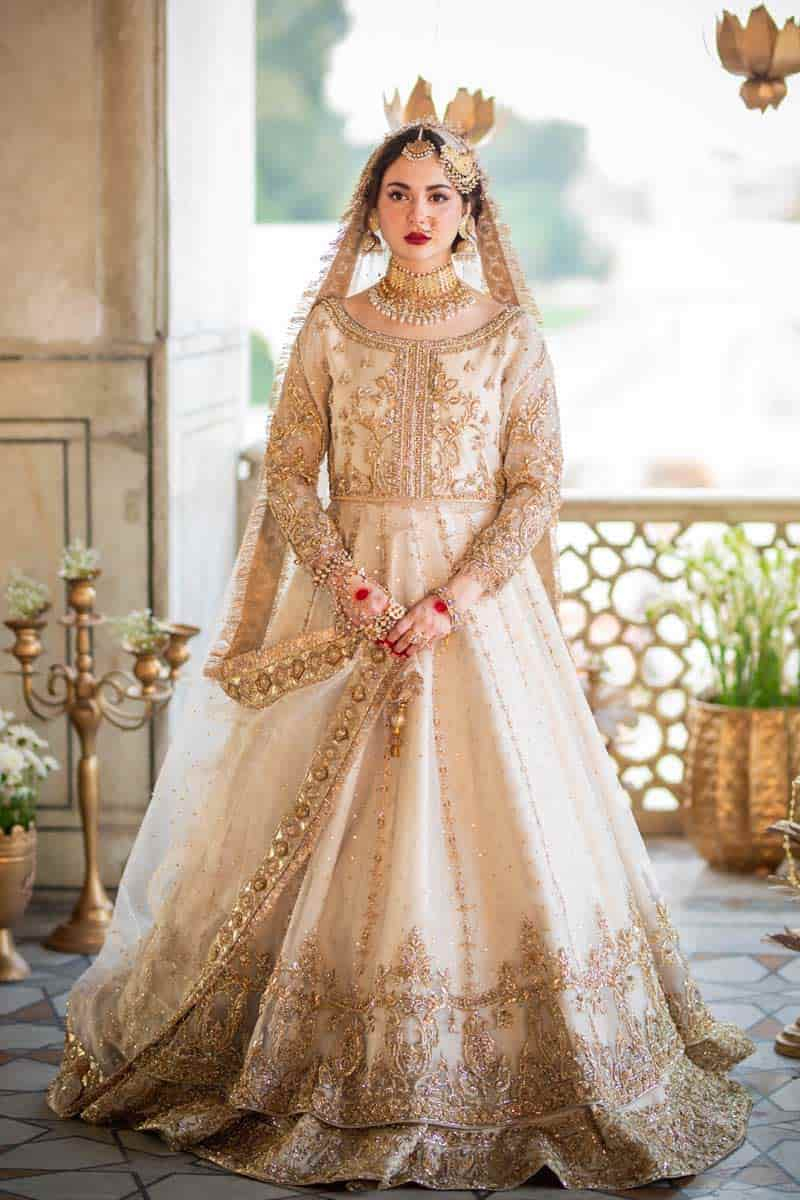
Wedding celebrations are an important part of Pakistani culture, bringing families and friends together through traditional ceremonies, beautiful clothing, and memorable gatherings. Choosing the right wedding guest outfit involves more than simply following current fashion trends. It is about finding a balance between cultural traditions and modern styling preferences. Traditional embroidery, luxurious fabrics, and classic silhouettes continue to influence wedding fashion, while contemporary cuts, creative color combinations, and minimalist details offer fresh ways to express personal style.
For wedding guests, combining these elements can create an elegant appearance that feels both culturally appropriate and fashionable. Whether attending a mehndi, barat, or walima, understanding how to incorporate traditional and modern elements can help you select an outfit that suits the occasion.
1. Understand the Importance of Traditional Wedding Fashion
Traditional Pakistani clothing has a strong connection with cultural identity and wedding celebrations. Outfits featuring intricate embroidery, handcrafted details, and classic silhouettes remain popular because they reflect the beauty of local craftsmanship.
Long shirts, lehengas, ghararas, shararas, and embroidered dupattas are examples of traditional clothing commonly worn at weddings. These outfits often feature zari work, thread embroidery, sequins, and other decorative elements.
You do not have to choose an entirely traditional outfit to appreciate cultural fashion. Incorporating one or two traditional elements into a contemporary design can create an attractive balance between heritage and modern preferences.
2. Experiment With Contemporary Silhouettes
One of the easiest ways to introduce modern style into traditional wedding fashion is through outfit silhouettes. Classic Pakistani designs can be updated with different cuts, lengths, and proportions.
For example, a traditional long shirt can be styled with straight trousers or wide-leg pants for a more contemporary appearance. Similarly, an embroidered lehenga can be paired with a modern blouse featuring structured shoulders, interesting necklines, or minimal detailing.
Cape-style shirts, asymmetrical hemlines, layered outfits, and contemporary co-ord sets also provide alternatives to conventional wedding clothing.
When selecting a modern silhouette, consider the formality of the event and your comfort. The goal is to create a fashionable outfit without losing the elegance associated with traditional wedding dressing.
3. Combine Traditional Embroidery With Minimalist Details
Embroidery is one of the most recognizable features of Pakistani wedding fashion. Traditional techniques add texture, detail, and artistic value to formal clothing.
However, modern styling often focuses on cleaner designs and carefully placed embellishments. Combining these approaches can create a sophisticated appearance without making an outfit look excessively decorated.
For instance, you can choose a plain silk shirt with embroidered sleeves or a minimalist lehenga featuring a detailed border. An embroidered dupatta can also become the main decorative element of an otherwise simple outfit.
Zari, resham, mirror work, and delicate sequin detailing can introduce traditional craftsmanship while allowing the overall design to maintain a contemporary feel.
4. Choose Colors That Reflect Both Styles
Color selection plays an important role in balancing traditional and modern wedding guest fashion. Classic Pakistani wedding colors include red, maroon, mustard, emerald green, and gold. These shades are associated with celebrations and traditional formalwear.
Modern fashion introduces a wider range of options, including lavender, powder blue, dusty rose, mint green, champagne, and muted neutrals.
You can combine both approaches by choosing a traditional silhouette in a contemporary pastel shade. Alternatively, a modern-cut outfit in a rich jewel tone can create a balance between classic and current fashion preferences.
For example, an emerald green outfit with antique gold embroidery offers traditional elegance, while a blush pink ensemble with subtle silver detailing creates a softer contemporary appearance.
Consider the wedding theme, time of day, and personal preferences when selecting colors.
5. Select Fabrics That Enhance the Overall Design
Fabric selection can influence how traditional and modern elements work together. Pakistani formalwear includes several materials that offer different textures, finishes, and styling possibilities.
Raw silk is a popular choice for structured outfits because it provides a rich appearance. Organza is lightweight and suitable for layered designs, dupattas, and delicate formal details.
Chiffon offers fluid movement and works beautifully with embroidered shirts and flowing silhouettes. Velvet is often preferred for winter weddings because its rich texture complements deeper colors and traditional embellishments.
You can create a modern appearance by using traditional fabrics in contemporary designs. For example, an organza dupatta paired with a minimalist silk outfit can add a graceful finishing touch without making the look overly elaborate.
6. Style Traditional Dupattas in Modern Ways
The dupatta remains an important part of Pakistani formalwear, but modern styling offers several creative ways to wear it.
Instead of following conventional draping techniques, you can experiment with different arrangements depending on the outfit and occasion. Draping a dupatta over one shoulder creates a relaxed appearance, while a neatly pleated style offers a more structured look.
An embroidered dupatta can also be styled as the main statement piece with a relatively simple outfit. For contemporary designs, lightweight organza and chiffon dupattas are particularly versatile.
The most suitable draping style should complement your outfit's neckline, embroidery, and overall silhouette.
7. Use Accessories to Connect Traditional and Modern Fashion
Accessories help complete a wedding guest outfit and provide another opportunity to combine different fashion influences.
Traditional jewelry, including jhumkas, chandbalis, kundan sets, and bangles, can complement contemporary clothing designs. Similarly, modern earrings, delicate necklaces, and minimalist bracelets can add a fresh touch to traditional outfits.
Footwear should also match the overall styling. Khussas and embellished sandals are popular choices for traditional clothing, while elegant heels can complement contemporary formal silhouettes.
When choosing accessories, avoid adding too many statement pieces simultaneously. If your outfit features heavy embroidery, understated jewelry may create a more balanced appearance. For simpler outfits, statement earrings or a traditional necklace can introduce additional character.
8. Dress According to the Wedding Occasion
Every wedding event has its own atmosphere, and your outfit should reflect its level of formality.
Mehndi celebrations generally feature colorful and energetic clothing. Yellow, orange, green, and pink outfits with traditional embroidery can create a festive appearance. Modern cuts and playful accessories can make these combinations feel more contemporary.
Barat ceremonies are often more formal, making rich fabrics, sophisticated colors, and detailed embroidery suitable choices. You can introduce modern elements through contemporary silhouettes or understated accessories.
Walima receptions generally allow more flexibility with elegant and refined styling. Pastel shades, champagne tones, delicate embellishments, and modern formal cuts can create a graceful wedding guest appearance.
Always consider the couple's dress code and the nature of the celebration before finalizing your outfit.
9. Prioritize Comfort Alongside Fashion
An attractive wedding outfit should also be comfortable enough to wear throughout the celebration. Weddings often involve several hours of sitting, walking, meeting relatives, and participating in different activities.
Choose fabrics appropriate for the weather and make sure the outfit allows easy movement. Avoid excessively heavy accessories if you expect to attend a long event.
Proper fitting is equally important. An outfit that complements your body proportions and feels comfortable will generally create a more confident appearance than one selected only because it follows a current trend.
Conclusion
Balancing tradition and modern style in wedding guest fashion is about combining cultural elegance with contemporary design choices. Traditional embroidery, luxurious fabrics, and classic silhouettes can be complemented by modern cuts, refreshing colors, and carefully selected accessories. The best approach is to choose elements that work together rather than allowing either traditional or contemporary details to dominate the entire outfit.
Laadoo celebrates the beauty of Pakistani formalwear through distinctive designs, handcrafted embroidery, and elegant clothing inspired by cultural traditions. Exploring Pakistani Wedding Outfits by Laadoo can provide inspiration for creating a wedding guest appearance that reflects both timeless heritage and modern fashion preferences.

