

What Makes a China Knee Brace Factory Suitable for Your Business?

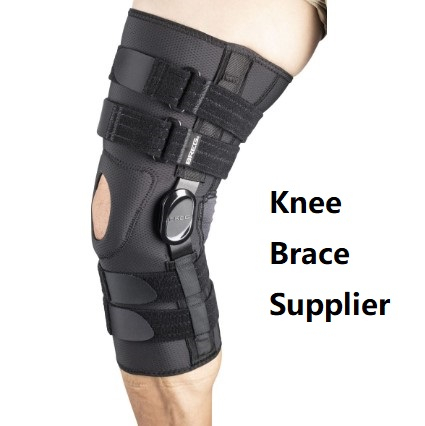
Behind every well-designed support accessory is a manufacturing process that connects product ideas with practical requirements. For international buyers interested in sports protection products, a China Knee Brace Factory such as Steriger offers an opportunity to examine how material selection, production organization, and product development contribute to different market applications. Understanding these processes can help distributors and retailers make informed sourcing decisions.
A manufacturing project usually begins with product requirements. Before production starts, manufacturers need to understand the intended application, preferred structure, material characteristics, and appearance of the finished item. Some buyers may focus on products for recreational sports, while others may need designs suitable for everyday activities. Defining these expectations helps establish a clear direction for product development.
Material coordination is an important part of manufacturing preparation. Different fabrics provide different wearing characteristics. Elastic textiles can accommodate natural movement, while breathable materials may contribute to a comfortable experience during regular use. Certain designs also incorporate reinforced fabric sections, soft inner layers, or adjustable fastening components. Selecting suitable combinations requires attention to product function, construction, and customer preferences.
Pattern development translates product concepts into workable manufacturing instructions. The shape and arrangement of individual fabric pieces influence the final structure and fit. Designers need to consider knee coverage, bending movement, seam positions, and fastening locations. Careful pattern preparation helps production teams understand how the different components should be assembled.
During the cutting process, materials are prepared according to approved patterns and product specifications. Fabric alignment and cutting accuracy influence the consistency of individual components. The next stages involve stitching and assembly, where separate pieces are connected to form the finished structure. Depending on the design, manufacturers may use different stitching techniques, elastic sections, and fastening systems to achieve the intended construction.
Production management also deserves attention. A coordinated workflow helps organize material preparation, cutting, sewing, assembly, finishing, and packaging. Clear operating instructions allow workers to follow established product specifications. Regular communication between production departments can help identify processing issues and maintain consistency throughout manufacturing.
Customization is another consideration for businesses serving different markets. Buyers may have individual preferences regarding fabric colors, product dimensions, labels, packaging styles, and structural details. Some projects may involve adjustments to existing models, while others may require discussions about new design concepts. Providing clear requirements and reviewing product samples can help establish an accurate understanding before an order enters production.
Quality inspection should be integrated into different manufacturing stages. Incoming materials can be checked for appearance and suitability, while assembled products can be examined for stitching, fastening performance, fabric alignment, and finishing details. Reviewing finished items against approved specifications helps identify possible inconsistencies and supports organized production management.
For overseas buyers, communication extends beyond product design. Discussions may also cover sample confirmation, order arrangements, packaging requirements, shipping preparation, and documentation. Maintaining clear communication throughout these activities helps both parties coordinate expectations and handle project details more efficiently.
Another factor worth considering is the ability to respond to changing market preferences. Customer interests may shift toward different colors, materials, wearing structures, or product applications. Manufacturers that pay attention to these developments can use market feedback to guide future product adjustments and design discussions. This approach gives buyers more flexibility when planning their product collections.
A manufacturing partnership involves more than placing an order. It requires an understanding of product specifications, production procedures, customization possibilities, and communication practices. Taking time to review these elements can help businesses develop sourcing arrangements that reflect their actual operational needs.
Your next product idea may be closer to production than you think. Visit https://www.steriger.com/product/ to browse the available product range, examine design details, and gather fresh inspiration for your sourcing plans. Open the door to new possibilities and let your next business project begin with a closer look.

