

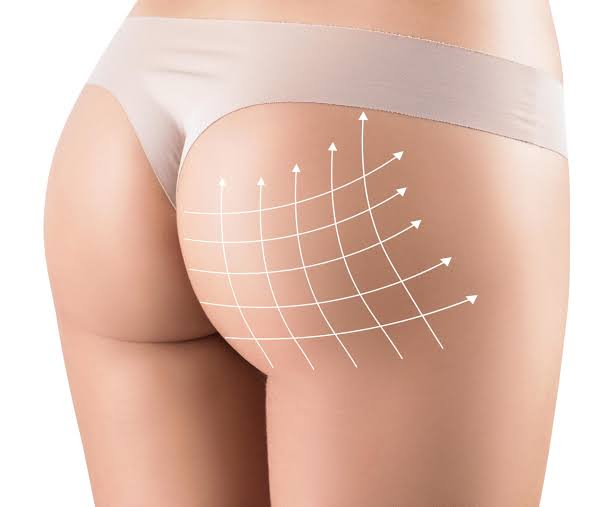

Body proportions are influenced by the relationship between the waist, hips, buttocks, and thighs. Some individuals naturally have less buttock volume or a flatter shape, which may make their lower-body contours appear less balanced with their upper body. Buttock augmentation surgery is a cosmetic procedure that can add volume and improve the shape of the buttocks according to individual body structure. People considering Buttock Augmentation in Dubai can consult Dynamic Life Clinic to explore suitable techniques and understand how treatment may help create more balanced body contours.
Understanding Body Proportions and Buttock Shape
Body proportions describe how different areas of the body relate to one another in size, shape, and overall appearance. The waist-to-hip relationship, buttock projection, and lower-body fullness can all influence a person's silhouette. Genetics, natural fat distribution, ageing, and weight changes may affect these features.
Some people have naturally flatter buttocks, while others notice reduced fullness after losing weight. These differences are normal, but individuals who want to change their lower-body contours may consider cosmetic augmentation. A surgeon evaluates the existing body shape before recommending a treatment approach that complements the patient's natural proportions.
How Buttock Augmentation Can Improve Body Balance
Buttock augmentation may improve body proportions by adding volume to areas that appear flat or lack definition. Increasing buttock fullness can create a smoother transition between the waist, hips, and lower body. The procedure may also improve the side profile by providing additional projection where appropriate.
The final result depends on the patient's anatomy, skin condition, and chosen surgical technique. The goal should be a proportionate appearance rather than simply increasing size. A qualified surgeon considers the entire body when planning the procedure to avoid an exaggerated or unbalanced outcome.
Improving the Relationship Between the Waist and Hips
The appearance of the waist and hips can influence the overall lower-body silhouette. When the buttocks have limited volume, the waist-to-hip transition may appear less defined. Buttock augmentation can add fullness to selected areas and may help create a more noticeable difference between the waist and hips.
For patients undergoing fat transfer, liposuction may be used to collect fat from suitable donor areas. Removing fat from selected areas, such as the abdomen or flanks, may also contribute to body contouring. However, the availability of donor fat and the patient's medical suitability determine whether this approach is appropriate.
Creating Fuller and More Defined Buttock Contours
Buttock augmentation can address a flat or underdeveloped appearance by increasing volume and improving the shape of selected areas. The treatment may be planned to enhance projection, fullness, or contour depending on the patient's existing anatomy.
Common goals may include:
-
Improving the appearance of flat buttocks.
-
Adding fullness to selected areas.
-
Enhancing side-profile projection.
-
Creating a smoother transition between the hips and buttocks.
-
Improving lower-body contour after weight changes.
-
Achieving a shape that complements the patient's natural frame.
The amount of enhancement depends on the technique and what can be safely achieved. Not every patient will be suitable for the same degree or type of augmentation.
Buttock Augmentation Techniques for Different Body Types
Different surgical methods can be used to improve buttock volume and shape. The choice depends on the patient's body composition, available donor fat, anatomy, and desired outcome.
Fat Transfer for Natural-Looking Volume
Fat transfer involves removing fat from selected areas of the body through liposuction, processing it, and transferring it to the buttocks. This method may suit individuals who have enough suitable donor fat and prefer using their own tissue for augmentation.
Some transferred fat is naturally reabsorbed by the body, so the final volume may be less than the initial result. Gluteal fat transfer also requires strict safety measures, including appropriate injection technique and careful surgical planning.
Buttock Implants for Additional Projection
Buttock implants are medical devices placed surgically to increase volume and projection. They may be considered for patients who do not have enough donor fat for a transfer procedure or whose goals are better suited to implants.
Implants involve specific considerations, including placement, healing, and the possibility of future complications or revision surgery. A surgeon explains the potential benefits and limitations before recommending this method.
Factors That Influence Body Proportion Results
The outcome of buttock augmentation varies according to individual body characteristics and the treatment approach. A realistic plan takes the patient's natural frame into account rather than focusing on volume alone.
Important factors include:
-
Body structure: Natural waist, hip, and thigh proportions influence the final appearance.
-
Available donor fat: Fat transfer requires sufficient suitable fat for harvesting.
-
Skin elasticity: Skin quality affects how tissues adapt to changes in volume.
-
Existing buttock shape: The starting contour helps determine suitable treatment areas.
-
Surgical technique: The method and placement approach influence the final shape.
-
Healing and fat survival: Individual recovery and the amount of transferred fat that survives can affect long-term results.
-
Lifestyle and weight stability: Significant weight changes may alter the appearance of the treated area.
Ideal Candidates for Proportion-Focused Buttock Augmentation
Individuals who want to improve buttock fullness or lower-body contours may be suitable candidates if they are in good general health and have realistic expectations. People considering fat transfer need sufficient donor fat, while implant suitability depends on their anatomy and medical assessment.
Patients should understand that augmentation cannot change their underlying bone structure or guarantee a particular body shape. A consultation helps determine whether surgery can address the specific concern and whether the expected improvement is realistic.
Checkpoint: Important Considerations Before Surgery
Buttock augmentation requires careful assessment because the procedure involves surgical risks and recovery restrictions. Patients should discuss their goals openly and understand the differences between available techniques before making a decision.
Important considerations include:
-
Whether fat transfer or implants are more appropriate.
-
Whether enough donor fat is available for fat transfer.
-
How the planned volume will complement the waist and hips.
-
The condition of the skin and existing buttock tissues.
-
Possible complications, including infection, bleeding, scarring, asymmetry, and changes in sensation.
-
The possibility of fat reabsorption after fat transfer.
-
Implant-related risks and the potential need for future surgery.
-
Recovery instructions, including restrictions on sitting and physical activity.
-
Safety precautions specific to gluteal fat grafting.
Dynamic Life Clinic: Personalised Body Contouring Care
Dynamic Life Clinic offers consultations for individuals interested in improving buttock shape and overall body proportions. A specialist can evaluate body composition, existing contours, skin elasticity, and aesthetic goals before discussing suitable treatment options. Patients can learn about fat transfer, implants, recovery requirements, and potential risks. Personalised planning helps ensure that the recommended approach considers both the desired appearance and medical suitability.
Frequently Asked Questions
Patients considering buttock augmentation often want to know how the procedure may affect their overall body shape. These answers explain its potential benefits and limitations.
Can Buttock Augmentation Make the Waist Look Smaller?
It may create the appearance of a more defined waist-to-hip relationship by increasing buttock volume. When fat transfer includes liposuction of suitable areas, changes to the donor areas may also influence the overall silhouette.
Does Buttock Augmentation Improve Hip Shape?
It may improve the appearance of selected areas around the hips and buttocks, depending on the technique and anatomy. The surgeon determines whether the treatment can address the specific contour concern.
Is Fat Transfer Suitable for Everyone?
No. Fat transfer requires enough suitable donor fat and appropriate medical fitness. Patients without sufficient donor fat may need to discuss other options with their surgeon.
Will Buttock Augmentation Results Look Natural?
A natural-looking result depends on appropriate treatment planning, suitable volume, surgical technique, and the patient's existing body structure. No specific appearance can be guaranteed.
How Long Do Buttock Augmentation Results Last?
Results depend on the technique. Fat cells that survive after transfer can provide lasting volume, although some transferred fat is reabsorbed. Implants can provide long-term volume but may require monitoring or further surgery if complications develop.
Conclusion
Buttock augmentation surgery may improve body proportions by adding fullness, enhancing projection, and creating a more balanced relationship between the waist, hips, and buttocks. Fat transfer and implants offer different approaches, and the suitable option depends on body composition, anatomy, and aesthetic goals. Careful surgical planning is essential to achieve proportionate results while prioritising safety. A consultation with a qualified surgeon helps determine whether augmentation is appropriate and what improvements can realistically be expected.

