

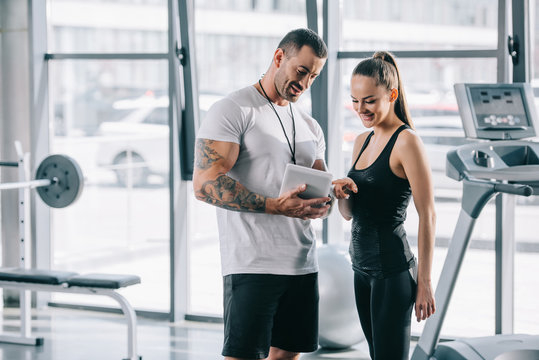

Choosing the right fitness professional can make a significant difference in achieving your health and fitness goals. Whether you want to lose weight, build muscle, improve flexibility, increase strength, or maintain an active lifestyle, having the right guidance can help you stay motivated and consistent.
However, with so many training options available, finding someone who understands your needs and daily routine can feel challenging.
The best approach is to consider your personal goals, schedule, fitness experience, and preferred training style before making a decision. Here are some important factors to help you find the right fitness professional for your lifestyle.
1. Identify Your Fitness Goals
Before looking for professional fitness support, take some time to understand what you want to achieve. Different people have different health and fitness priorities. Some want to reduce body fat, while others focus on developing muscle, improving cardiovascular health, or preparing for sporting activities.
Having clear goals makes it easier to find someone with the appropriate knowledge and experience. For example, if your primary objective is weight management, look for a professional who understands exercise programming, sustainable habits, and healthy lifestyle changes.
Your goals should also be realistic and achievable. Instead of expecting immediate results, focus on gradual improvements that support long-term progress.
2. Check Qualifications and Experience
Professional qualifications are important when choosing someone to guide your fitness journey. Look for recognised certifications in personal training, exercise science, strength conditioning, or related areas.
Experience is equally valuable. A knowledgeable fitness professional should understand different exercise techniques, training methods, and ways to adapt workouts according to individual abilities.
Ask about their previous experience working with people who have similar goals. This can help you understand whether their expertise matches your requirements.
3. Consider Your Daily Schedule
Your lifestyle plays an important role in determining which training arrangement will work best. People with demanding jobs, family responsibilities, or busy schedules may struggle to attend regular gym sessions.
Look for a training arrangement that offers flexibility. Some professionals provide early morning, evening, weekend, or online sessions to accommodate different routines.
Consistency is more important than spending several hours exercising occasionally. A realistic schedule that fits comfortably into your daily life will make it easier to maintain your fitness routine.
4. Choose Between Online and In-Person Training
Both online and face-to-face fitness coaching have advantages. In-person sessions allow direct supervision, making it easier to learn correct exercise techniques and receive immediate feedback.
Online coaching offers greater flexibility and convenience. It can be particularly useful for people who travel frequently, work remotely, or prefer exercising at home.
Before choosing, consider your motivation, available equipment, and learning preferences. Some individuals benefit from direct interaction, while others enjoy following structured programmes independently.
5. Look for Personalised Workout Plans
Every individual has different fitness requirements, physical abilities, and lifestyle commitments. Therefore, a standard workout routine may not provide the best results for everyone.
A good fitness professional should assess your current fitness level, discuss your goals, and develop an exercise programme that suits your circumstances.
Your programme should include appropriate exercises, recovery periods, and gradual increases in intensity. It should also be adjusted as your strength, endurance, and overall fitness improve.
Personalisation helps prevent unnecessary pressure and makes your training experience more enjoyable.
6. Evaluate Communication and Motivation Skills
Good communication is essential for building a successful fitness relationship. You should feel comfortable discussing your concerns, asking questions, and sharing feedback about your progress.
A supportive personal trainer should explain exercises clearly, provide constructive guidance, and encourage you without creating unrealistic expectations.
Motivation is particularly important during challenging periods when progress feels slow. Someone who understands your difficulties can help you maintain a positive attitude and remain committed to your goals.
Choose a professional whose communication style makes you feel supported and confident.
7. Understand Training Costs and Packages
Fitness coaching costs can vary depending on qualifications, experience, location, session length, and service type. Before committing, compare different packages and understand exactly what each one includes.
Some professionals charge per session, while others offer monthly memberships or longer-term programmes.
Consider your budget carefully and avoid choosing an arrangement that creates financial pressure. The most expensive option is not necessarily the most suitable.
Also, ask about cancellation policies, additional charges, and whether workout plans or progress assessments are included in the package.
8. Ask About Progress Tracking
Monitoring progress helps you understand whether your fitness programme is producing positive changes. However, progress should not be measured through body weight alone.
Depending on your goals, useful measurements may include strength improvements, endurance, flexibility, energy levels, exercise consistency, and overall physical performance.
Regular assessments can highlight areas that need improvement and help determine whether your workout programme requires adjustments.
A structured approach to progress tracking also provides motivation by showing how small improvements contribute to bigger achievements over time.
9. Prioritise Safety and Recovery
Exercise should improve your health without exposing you to unnecessary risks. Make sure your chosen professional understands proper exercise techniques, warm-ups, cool-downs, and recovery strategies.
Training intensity should match your current fitness level. Beginners generally need time to develop strength and endurance before attempting demanding workouts.
Recovery is equally important because muscles need sufficient rest between challenging sessions. Sleep, hydration, balanced nutrition, and appropriate rest days all contribute to better results.
If you have an injury or medical concern, seek advice from a qualified healthcare professional before beginning a new exercise programme.
10. Choose Someone Who Understands Your Lifestyle
The ideal fitness professional should understand that exercise is only one part of a healthy lifestyle. Work commitments, family responsibilities, food choices, sleep patterns, and stress levels can all influence your progress.
A flexible approach makes it easier to maintain healthy habits without completely changing your daily routine.
Look for someone who encourages sustainable improvements rather than extreme diets or unrealistic workout schedules. A supportive relationship can help you develop confidence and build habits that continue beyond individual training sessions.
Why Choose TheHealthAndFitnessCoach?
TheHealthAndFitnessCoach supports individuals who want to improve their fitness, develop healthier habits, and work towards realistic lifestyle goals. Through a focus on personalised guidance, structured exercise, and sustainable progress, thehealthandfitnesscoach aims to make fitness more accessible and manageable. Whether someone wants to improve general health, increase physical activity, or work towards specific fitness targets, having appropriate guidance can make the journey more organised and rewarding.
Conclusion
Choosing the right fitness professional requires careful consideration of your goals, schedule, budget, and personal preferences. Qualifications, experience, communication, personalised programmes, and safety should all influence your decision.
Most importantly, choose someone who understands your lifestyle and encourages consistent progress. With the right support and realistic expectations, you can develop healthier habits, improve your physical fitness, and enjoy long-term benefits.

