

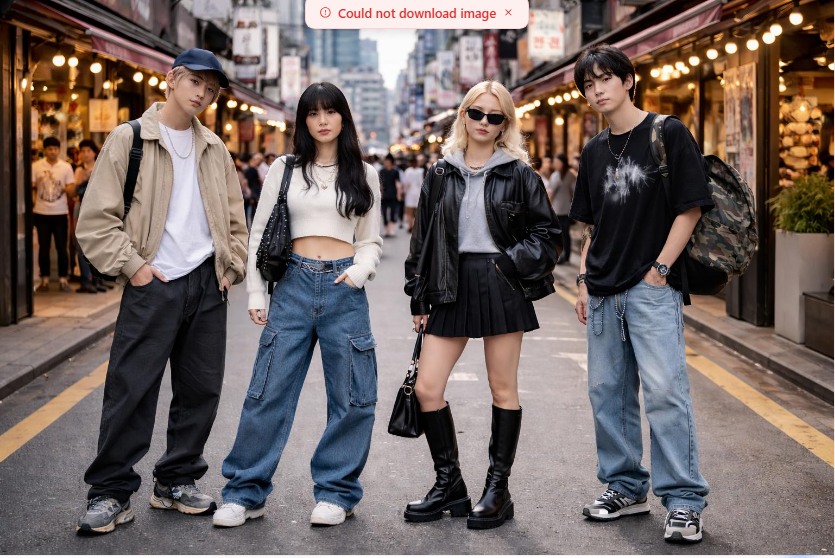
The Evolution of Modern Asian Style: From Cultural Heritage to Global Fashion Influence
Fashion is more than clothing. It represents cultural identity, creativity, social changes, and the way individuals communicate their personalities. Across Asia, fashion has developed through a fascinating combination of traditional craftsmanship and modern design ideas.
The growing interest in gen alpha fashion reflects how younger audiences are becoming part of changing conversations about personal style. Digital platforms, international entertainment, and global cultural exchange have introduced new perspectives on clothing and design.
From the streets of Tokyo and Seoul to the creative fashion communities of Jakarta, Bangkok, and Singapore, Asian designers are developing distinctive approaches that connect regional heritage with contemporary lifestyles.
This evolution is also creating new opportunities for fashion brands, independent designers, digital publishers, and creative entrepreneurs.
1. Asian Fashion Has a Rich Cultural Foundation
Asian fashion has developed through centuries of artistic traditions, regional craftsmanship, and cultural exchange.
Different countries have contributed distinctive textile techniques, garment structures, decorative patterns, and clothing traditions.
Japanese fashion has a long relationship with textile artistry and thoughtful construction. Indonesian fashion is known for batik, ikat weaving, and handcrafted materials. Indian clothing traditions include detailed embroidery, weaving, and decorative techniques.
These cultural elements continue to inspire contemporary designers.
Modern collections increasingly demonstrate that traditional materials can be incorporated into new silhouettes without losing their original identity. This connection between heritage and modern creativity gives Asian fashion a distinctive position in the international industry.
2. Streetwear Has Changed Everyday Fashion
Streetwear has become an important part of contemporary fashion culture.
What began as clothing connected with music, skateboarding, and youth communities has developed into a major design category.
Modern Asian streetwear includes oversized silhouettes, relaxed trousers, graphic shirts, sneakers, layered outfits, and experimental accessories.
Tokyo is known for its diverse street-style communities, while Seoul has gained international attention for coordinated outfits and contemporary urban styling.
Southeast Asian fashion communities also contribute their own interpretations, combining local culture with international streetwear influences.
Streetwear demonstrates that fashion does not always need to originate from traditional luxury houses. Independent designers and creative communities can also influence wider clothing trends.
3. Digital Platforms Are Creating New Fashion Opportunities
The internet has transformed the way fashion brands communicate with customers.
Previously, international fashion exposure was often connected with physical events, printed magazines, and television advertising. Today, digital publications and social platforms allow designers to present their collections to audiences across different countries.
Fashion creators can introduce styling ideas, explain clothing trends, and showcase emerging brands through visual content.
Digital magazines also provide opportunities to publish interviews, designer profiles, and industry analysis.
For smaller fashion businesses, these platforms can create opportunities to build recognition without depending entirely on traditional advertising channels.
4. The Influence of Korean and Japanese Fashion
Korean and Japanese fashion have become important parts of international style discussions.
South Korean fashion frequently combines contemporary tailoring, relaxed streetwear, coordinated styling, and entertainment-related influences.
Japanese fashion offers a different range of aesthetics, including minimalism, experimental proportions, traditional textile references, and distinctive street-style communities.
Both markets demonstrate that fashion can develop through strong creative identities.
Their international influence also shows the importance of cultural storytelling. Audiences are often interested not only in the clothing itself but also in the music, art, entertainment, and social environments connected with it.
5. Didiet Maulana and the Importance of Indonesian Design
Indonesian designers are contributing important ideas to the relationship between traditional craftsmanship and modern clothing.
One notable example is Didiet Maulana, founder of IKAT Indonesia, a brand established in 2011 that focuses on traditional Indonesian woven textiles and their contemporary applications.
His work highlights the creative potential of ikat fabrics and the importance of preserving regional textile traditions.
Traditional weaving techniques carry cultural knowledge passed between generations. Bringing these materials into contemporary garments allows designers to introduce them to audiences who may not otherwise encounter traditional Indonesian craftsmanship.
This approach also creates opportunities for collaboration with artisans and local creative communities.
For the wider Asian fashion industry, such work demonstrates how cultural identity can become a meaningful part of modern design.
6. Young Consumers Are Encouraging More Creative Design
Fashion preferences continue to evolve as new audiences encounter different styles and cultural influences.
Younger consumers often have access to international clothing inspiration through digital entertainment, online communities, and fashion content.
Their interests may include comfortable streetwear, colourful accessories, minimalist outfits, athletic clothing, and designs inspired by entertainment personalities.
However, preferences vary considerably between individuals and age groups.
Brands should avoid assuming that all younger consumers want identical products. Understanding lifestyle, cultural background, practical needs, and family purchasing decisions is essential.
Designers who provide flexibility and thoughtful product choices can create collections that appeal to different audiences.
7. Luxury Fashion Is Becoming More Connected With Everyday Culture
Luxury fashion is also changing.
Traditional luxury brands are increasingly communicating through digital experiences, creative collaborations, contemporary campaigns, and lifestyle storytelling.
Consumers may discover luxury products through celebrity partnerships, fashion publications, social media, and digital shopping platforms.
At the same time, the meaning of luxury is expanding beyond expensive products. Craftsmanship, material quality, originality, cultural significance, and design history are also important parts of the conversation.
Asian luxury markets offer interesting opportunities for brands that understand regional tastes and cultural expectations.
8. Sustainable Design Is Gaining Industry Attention
The environmental impact of clothing production is an important issue for the fashion industry.
Textile waste, excessive manufacturing, and resource consumption have encouraged designers to consider more responsible approaches.
Some brands are exploring recycled materials, durable fabrics, local production, and improved sourcing practices.
Traditional craftsmanship can also contribute to discussions about responsible fashion when it supports skilled artisans and transparent production.
Consumers benefit when brands provide accurate information about their materials and manufacturing processes.
Sustainability should be treated as an ongoing commitment rather than a temporary promotional message.
9. Fashion Publications Help Introduce Asian Creativity
Digital fashion publications are important channels for communicating regional design developments.
They can introduce emerging designers, publish interviews, explain fashion movements, and highlight creative businesses.
For international readers, editorial coverage provides a way to understand the cultural background behind clothing and design.
Publications focused on Asia Pacific can contribute by presenting stories from different countries rather than concentrating on only a few established fashion markets.
This approach creates greater visibility for regional designers and supports a more diverse international fashion conversation.
10. What Lies Ahead for Asian Fashion?
The next stage of Asian fashion will likely involve a closer relationship between traditional design, digital creativity, and international consumer interests.
Several developments will remain important:
Cultural collaborations: Designers may continue working with artisans and traditional textile communities.
Digital publishing: Fashion magazines and online platforms will introduce regional designers to wider audiences.
Contemporary streetwear: Comfortable silhouettes and creative styling will remain relevant.
Personalised experiences: Consumers will increasingly expect products and content that reflect their interests.
Responsible production: Quality, transparency, and durable design will continue to influence industry discussions.
These developments create opportunities for both established fashion houses and independent creative businesses.
Conclusion
Modern Asian fashion is developing through a combination of heritage, technology, international entertainment, and creative experimentation. Designers are reinterpreting traditional materials, streetwear communities are influencing everyday clothing, and digital platforms are connecting regional creativity with global audiences.
The increasing visibility of generation alpha fashion also provides an interesting perspective on how future consumers may interact with clothing, culture, and digital experiences.
The work of Didiet Maulana offers a valuable example of how traditional Indonesian craftsmanship can contribute to modern fashion while maintaining its cultural significance.
For the Asian fashion industry, the future is not simply about following international trends. It is about developing distinctive creative identities that respect heritage while responding to contemporary lifestyles.
Frequently Asked Questions (FAQs)
1. What makes Asian fashion unique?
Asian fashion combines diverse cultural traditions, regional craftsmanship, contemporary streetwear, and modern design influences.
2. Why is Asian streetwear popular internationally?
Asian streetwear offers distinctive styling, creative silhouettes, cultural references, and influences from music and entertainment.
3. Who is Didiet Maulana?
Didiet Maulana is an Indonesian fashion designer and founder of IKAT Indonesia, known for incorporating traditional Indonesian woven textiles into contemporary fashion.
4. How is digital media changing fashion?
Digital platforms allow designers, brands, and publications to share collections, introduce new trends, and connect with international audiences.
5. What is the future of luxury fashion in Asia?
Luxury fashion in Asia is likely to continue developing through cultural storytelling, craftsmanship, digital experiences, and contemporary design.
6. Why is traditional craftsmanship important?
Traditional craftsmanship preserves cultural knowledge, supports artisans, and provides distinctive materials and techniques for modern designers.

