

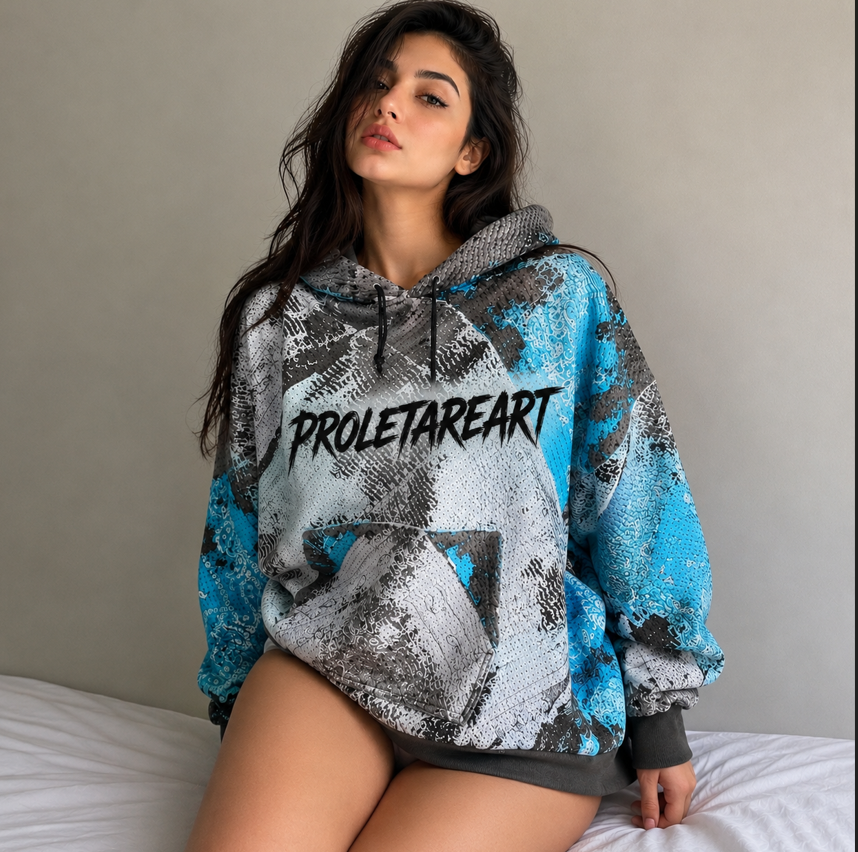

Art does not always begin with a clear plan. Sometimes an artist starts with a small idea, an unusual mark, or a color that creates an unexpected feeling. The final result may look completely different from the original thought. This uncertainty gives art a sense of freedom and allows new ideas to appear during the creative process. Proleta Re Art reflects this way of thinking by giving artists room to experiment, question their choices, and accept unexpected results. Rather than following a fixed path, artists can allow curiosity to guide their work. This approach makes artmaking a personal activity where mistakes, changes, and discoveries all have a place.
Understanding Uncertainty in Art
Uncertainty is the feeling of not knowing exactly what will happen next. In art, it can appear when an artist chooses colors without a fixed plan, changes a drawing halfway through, or works with materials in an unfamiliar way.
Many artists begin with a general idea instead of a finished picture in their minds. They make decisions as the work develops. A line may suggest a new shape, while an unusual color combination may change the mood of a painting.
This open approach removes the pressure to control every detail. It also gives artists permission to follow their instincts and respond to what they see in front of them.
How Unexpected Results Shape Artistic Ideas
Learning From Mistakes
Mistakes can lead to fresh directions in an artwork. A paint mark may fall in the wrong place, or a material may behave differently than expected. Instead of covering the result immediately, an artist can study it and decide whether it adds something useful.
These moments teach artists to look beyond their original plans. A mistake may introduce a new texture, create an interesting shape, or suggest a different subject. What first appears unwanted can become part of the finished piece.
Allowing Ideas to Change
Artistic ideas often change during the making process. An artist might begin with a picture of a building and finish with an abstract study of its windows, shadows, and surrounding spaces.
This change does not mean the original idea has failed. It shows that observation and experimentation can lead to new ways of seeing familiar subjects.
The Connection Between Uncertainty and Personal Expression
Personal expression becomes more natural when artists allow themselves to make independent choices. A strict plan can sometimes limit the feelings or memories that appear during the work.
Proleta Re Art connects with the freedom to make decisions without knowing every result in advance. Artists can respond to personal experiences, changing moods, and ordinary surroundings.
For example, someone painting a landscape may remember a childhood visit to a particular place. The artwork might gradually move away from an accurate view and become a collection of colors, shapes, and emotions connected to that memory.
This freedom gives each artwork an individual character. It also allows viewers to form their own interpretations rather than searching for one fixed meaning.
Experimenting With Materials and Techniques
Working Beyond Familiar Methods
Artists can use uncertainty as a reason to try materials they do not usually work with. Paper, fabric, charcoal, ink, paint, and found objects can all create different visual results.
Combining materials may produce rough surfaces, unexpected patterns, and unusual contrasts. These effects can change the direction of a piece and encourage further experimentation.
Finding New Possibilities Through Observation
Observation helps artists understand what happens when different materials meet. Water may spread ink across paper, while thick paint can create raised surfaces. Scraping, folding, layering, and rubbing can also produce interesting marks.
The purpose is not to control every result. It is to notice what happens and decide how those results might contribute to the artwork.
Why Patience Matters When Making Uncertain Art
Working without a fixed outcome requires patience. Artists may spend time looking at a painting before deciding what to add next. Some pieces develop quickly, while others need several changes before they feel complete.
Taking a break can help artists return with a clearer view. It gives them time to notice areas that need attention and parts that already work well.
Patience also helps reduce the fear of making the wrong decision. Every change does not need to improve the artwork immediately. Some decisions only become useful after other elements have been added.
With this approach, artists learn to trust the process while remaining open to further changes.
How Viewers Interpret Art Without Clear Answers
Uncertainty can also affect the way people experience an artwork. A painting without an obvious subject may encourage viewers to study its shapes, colors, and visual details.
One person may see movement in a group of curved lines, while another may connect the same forms with nature or memories. Both responses can be valid because art does not always need to provide a single explanation.
Proleta Re Art offers space for this personal connection. When an artwork leaves certain questions unanswered, viewers can bring their own experiences into the viewing process.
This makes looking at art an active experience. People are free to notice details, develop ideas, and change their interpretations over time.
FAQs
1. What does uncertainty mean in artmaking?
It means creating without knowing every detail of the final result. Artists allow ideas, materials, and unexpected events to influence their work.
2. Can mistakes improve an artwork?
Yes. An unexpected mark or material effect can introduce new shapes, textures, and ideas that make a piece more interesting.
3. Why do artists experiment with different materials?
Different materials produce different visual effects. Experimentation helps artists discover techniques and results they may not achieve through familiar methods.
4. How does uncertainty support personal expression?
It gives artists freedom to follow their feelings, memories, and instincts instead of following a fixed plan. This can make each piece more personal.
5. Does abstract art always need a clear meaning?
No. Abstract art can invite personal reactions and different interpretations. Viewers can connect with colors, forms, and emotions without finding one exact meaning.
Final Thoughts
Uncertainty gives artists permission to work with curiosity and accept that ideas can change. It turns unexpected results into opportunities for learning and personal expression. From experimenting with materials to discovering new meanings through simple marks, artists can find direction in places they did not expect. Proleta Re Art reflects the value of remaining open throughout the making process. Art does not always need a complete plan or a clear answer. Sometimes, its most interesting qualities appear when the artist allows the work to develop naturally.

