

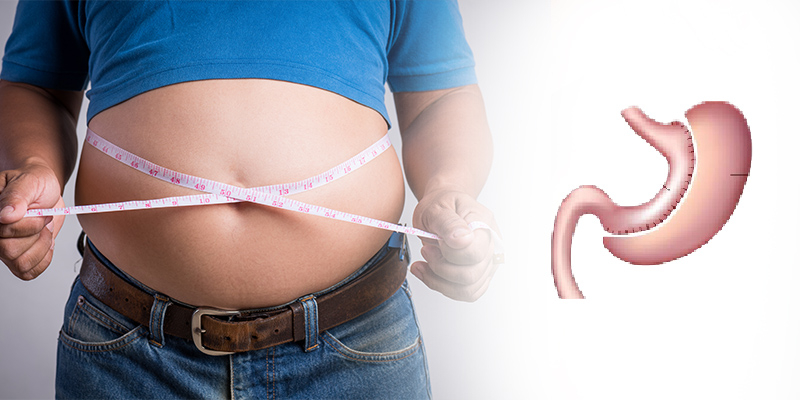

Age is an important factor when considering bariatric surgery, but it does not automatically determine whether someone can undergo sleeve gastrectomy. This procedure is designed to help eligible people with obesity achieve significant weight loss and improve certain weight-related health conditions. However, the patient's overall health, physical fitness, medical history, and ability to follow long-term lifestyle recommendations are equally important. People considering Sleeve Gastrectomy in Dubai should understand how age may influence surgical assessment, recovery, and long-term results. A qualified bariatric team evaluates each individual to determine whether the potential benefits outweigh the risks.
The Role of Age in Bariatric Surgery
Age helps doctors understand certain health and recovery considerations before recommending sleeve gastrectomy. Younger adults may have fewer age-related medical conditions, while older adults may be more likely to have high blood pressure, diabetes, heart disease, or reduced physical strength. However, these differences do not mean that every younger person is suitable or that every older person is unsuitable. A person's general health and functional ability often provide more useful information than age alone. The medical team considers whether surgery can be performed safely and whether the patient is likely to benefit from the expected weight reduction.
Eligibility for Younger Adults
Younger adults may be considered for sleeve gastrectomy when they meet appropriate medical criteria for bariatric surgery. Their assessment generally includes BMI, obesity-related health conditions, previous weight-management efforts, and overall surgical fitness. Doctors also consider whether the individual understands the permanent changes involved in the procedure and is prepared to maintain healthy habits. Younger patients may have many years in which obesity-related conditions could affect their health, so early management may be beneficial when surgery is medically appropriate. However, the decision should not be based on age or appearance alone. A detailed assessment is necessary to establish suitability.
Sleeve Gastrectomy for Middle-Aged Adults
Middle-aged adults may be suitable candidates for sleeve gastrectomy if they meet the relevant medical requirements and can safely undergo surgery. At this stage of life, obesity may be accompanied by conditions such as type 2 diabetes, hypertension, high cholesterol, fatty liver disease, and sleep apnoea. Weight reduction may help improve some of these conditions and support better physical function. Doctors review the patient's medical history, current medication, cardiovascular health, and previous weight-loss attempts before recommending treatment. The assessment also considers how surgery may affect the management of existing conditions and the patient's long-term health goals.
Considerations for Older Adults
Older adults can sometimes undergo sleeve gastrectomy, but their assessment may require additional attention to physical fitness and existing medical conditions. Doctors may evaluate heart and lung function, kidney health, mobility, frailty, nutritional status, and the ability to recover after an operation. Some older individuals remain physically active and medically fit, while younger individuals may have significant health problems that increase surgical risk. Therefore, chronological age alone is not enough to determine suitability. The medical team considers the patient's overall condition, potential benefits, and risk of complications before making a recommendation.
BMI and Medical Eligibility
Body mass index is an important part of the eligibility assessment at every adult age. Current international bariatric surgery guidelines generally recommend surgery for adults with a BMI of 35 or above, regardless of whether obesity-related conditions are present. Surgery may also be considered for adults with a BMI between 30 and 34.9 who have metabolic disease or have not achieved lasting improvement through nonsurgical treatment. Some BMI considerations differ for Asian populations, and local medical guidance may also apply. Doctors assess BMI alongside weight history, existing health conditions, and previous treatment efforts rather than using it as the only deciding factor.
Existing Health Conditions and Surgical Fitness
Medical conditions can influence eligibility more significantly than age in some cases. People with obesity may also have diabetes, high blood pressure, cardiovascular disease, sleep apnoea, or kidney and liver problems. These conditions can affect anaesthesia, surgical planning, and recovery. Before surgery, doctors may recommend blood tests, heart assessments, respiratory investigations, and consultations with relevant specialists. Some conditions may need to be stabilised before the procedure. The goal is to understand the patient's health risks and determine whether sleeve gastrectomy is an appropriate option.
Psychological Readiness and Long-Term Commitment
A patient's emotional readiness and understanding of the procedure are important at every age. Sleeve gastrectomy permanently reduces stomach capacity, requiring lasting changes to eating habits, portion sizes, and daily routines. Patients need to understand the importance of balanced nutrition, regular physical activity, and medical follow-up. A psychological assessment may help identify emotional or behavioural concerns that could affect recovery and long-term progress. Mental health conditions do not automatically exclude someone from surgery, but additional support or treatment may be needed before proceeding. A realistic understanding of the procedure helps patients prepare for the responsibilities involved.
Nutritional Health and Recovery Needs
Nutritional status is particularly important when assessing patients at different stages of life. Older adults may have existing deficiencies, reduced muscle mass, or difficulty meeting their nutritional needs. Younger adults also need adequate nutrition to support general health and recovery. After sleeve gastrectomy, the stomach holds smaller portions, so patients must prioritise protein, hydration, and nutrient-rich foods. Vitamin and mineral supplementation is commonly required, with the exact recommendations depending on blood test results and individual needs. Regular nutritional monitoring helps reduce the risk of deficiencies and supports recovery.
Age and Post-Surgical Recovery
Recovery after sleeve gastrectomy varies according to general health, surgical technique, and individual circumstances. Some younger patients may recover quickly, but age alone does not predict how smoothly recovery will progress. Older adults may need additional support with mobility, hydration, nutrition, and management of existing medical conditions. Following discharge, patients gradually move through different food stages and increase physical activity according to their surgeon's instructions. Regular follow-up appointments help monitor healing, weight changes, and nutritional health. A personalised recovery plan is important regardless of the patient's age.
Special Considerations for Adolescents
Sleeve gastrectomy may be considered for some adolescents with severe obesity, but the decision requires specialised evaluation. Surgery is generally considered in experienced paediatric or adolescent bariatric programmes that follow established clinical guidelines. Assessment may involve paediatric specialists, bariatric surgeons, dietitians, and mental health professionals. Doctors consider physical development, obesity-related medical conditions, previous treatment efforts, family support, and the young person's ability to participate in long-term follow-up. Surgery is not a routine option for every teenager with excess weight, and careful assessment is essential to determine whether potential benefits justify the risks.
Pregnancy Planning and Reproductive Health
Age may also be relevant when patients are planning pregnancy or considering future family planning. Significant weight loss after sleeve gastrectomy can affect nutritional requirements and reproductive health. Pregnancy is generally recommended to be delayed until weight has stabilised, often around 12 to 18 months after surgery, although individual guidance may differ. Patients who may become pregnant should discuss timing, contraception, nutritional monitoring, and supplement requirements with their healthcare team. This helps reduce potential risks associated with nutritional deficiencies and rapid weight changes during pregnancy.
Medical Evaluation Before Making a Decision
A comprehensive medical assessment helps determine whether sleeve gastrectomy is suitable at any age. The evaluation may include BMI measurement, medical history, blood tests, nutritional screening, cardiovascular assessment, and a review of current medications. A surgeon may also recommend digestive investigations, particularly when the patient has symptoms of acid reflux. A bariatric team can include a surgeon, physician, dietitian, and psychologist, with additional specialists involved when needed. This coordinated approach helps identify possible risks, establish realistic expectations, and develop a treatment plan based on the patient's overall health.
Conclusion
Age can influence the assessment and recovery process for sleeve gastrectomy, but it is not the only factor that determines eligibility. Younger, middle-aged, and older adults may all be considered when they meet appropriate medical criteria and are fit for surgery. Doctors evaluate BMI, existing health conditions, physical fitness, nutritional status, psychological readiness, and commitment to long-term care. Adolescents require specialised assessment, while pregnancy planning may affect the timing of surgery. A personalised consultation with a qualified bariatric team helps determine whether sleeve gastrectomy is appropriate and whether its potential benefits outweigh the risks.
Frequently Asked Questions
Is there a maximum age for sleeve gastrectomy?
There is no single maximum age that automatically excludes someone from sleeve gastrectomy. Older adults may be considered if their overall health, physical fitness, and ability to recover make surgery appropriate. Frailty and existing medical conditions are important parts of the assessment.
Can young adults undergo sleeve gastrectomy?
Yes. Young adults may be eligible if they meet the medical criteria for bariatric surgery and understand the long-term lifestyle changes required. A detailed evaluation is necessary to assess their health, weight history, and surgical fitness.
Is sleeve gastrectomy suitable for people over 60?
Some people over 60 may be suitable candidates, depending on their health and physical condition. Doctors carefully assess cardiovascular function, mobility, frailty, nutritional status, and other medical conditions before recommending surgery.
Does age affect weight-loss results after sleeve gastrectomy?
Age may influence recovery and certain health outcomes, but it does not determine weight-loss results on its own. Starting weight, eating habits, physical activity, medical conditions, and long-term follow-up all influence individual progress.
Can teenagers have sleeve gastrectomy?
Some adolescents with severe obesity may be considered for bariatric surgery through specialised programmes. Their assessment involves medical, nutritional, psychological, and developmental factors, along with family support and long-term follow-up planning.
What matters more than age when determining eligibility?
Overall health, BMI, obesity-related conditions, physical fitness, nutritional status, and psychological readiness are all important. A bariatric specialist considers these factors together to determine whether surgery is safe and appropriate.

