

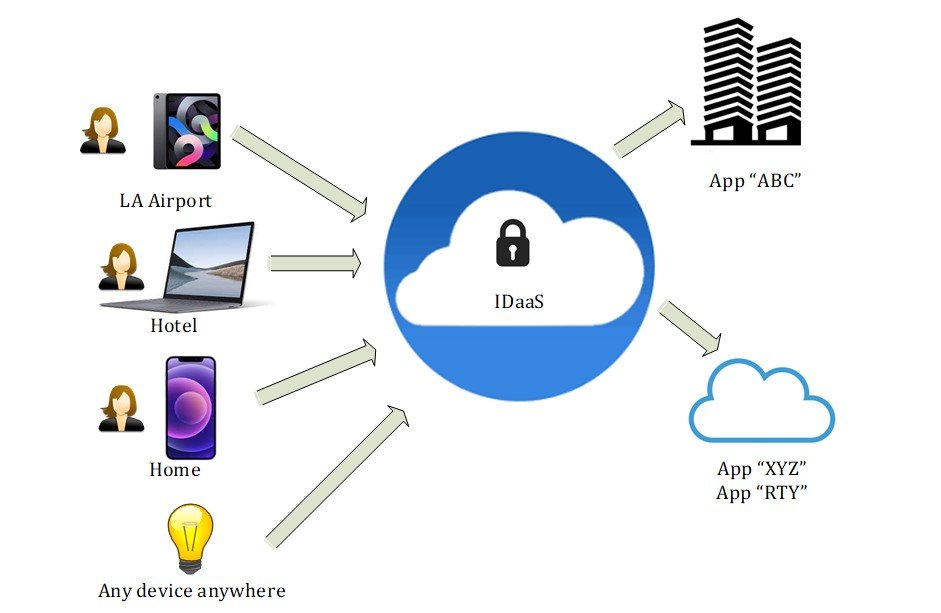
Identity as a Service Market Trends Drive Passwordless Security and Adaptive Authentication

Evolving Identity Priorities
The Idaas Market Trends reflect changes in how organizations authenticate users and govern access to applications. Passwordless methods, adaptive authentication, and deeper integration with cloud ecosystems are among the developments gaining attention. Established capabilities such as single sign-on and multifactor authentication remain important, while new approaches aim to reduce user friction and improve security. Trends vary by organization size, industry, and technical maturity. Not every development applies to every environment, and some capabilities require careful implementation. Buyers should evaluate changes against their actual requirements rather than adopting technology solely because it is widely discussed.
Passwordless Authentication
Passwordless authentication reduces or eliminates reliance on traditional passwords by using methods such as security keys, biometric verification, or device-based credentials. The approach can reduce password fatigue and lower the risk of credential theft. However, adoption depends on device compatibility, user readiness, and support for relevant standards. Organizations must also plan for lost devices, user recovery, and the enrollment process. Not all applications support passwordless methods, so a transition may need to occur gradually. Buyers should test the complete user journey, including onboarding, troubleshooting, and exception handling, before committing to a widespread rollout.
Adaptive and Risk-Based Authentication
Adaptive authentication evaluates signals such as device, location, network, and recent behavior to decide whether additional verification is needed. When risk appears low, users may authenticate with less friction. When risk increases, the system may request stronger evidence or restrict access. This approach can improve security without burdening every sign-in with maximum requirements. Effectiveness depends on the quality of signals and the policies that teams configure. Buyers should understand how decisions are made, what data is used, and how users can appeal or recover from a denial. Transparency and accountability remain important as automated decisions influence access.
Integration With the Security Ecosystem
Identity platforms increasingly connect with endpoint security, threat intelligence, network monitoring, and other security tools. These connections can provide additional context for authentication decisions and improve visibility into user activity. They also create dependencies between systems that must be coordinated carefully. Buyers should evaluate integration quality, data sharing practices, and the impact of changes on either system. Some organizations may use identity signals to trigger alerts or automated responses, but such actions should be tested and governed. Strong integration can enhance security outcomes when responsibilities and technical dependencies are clearly defined.
Privacy and Governance Considerations
Identity platforms process significant amounts of personal information, including sign-in patterns and device details. Privacy requirements vary by region and industry, so organizations should understand how identity data is collected, stored, retained, and shared. Governance practices should define who may access identity records and how requests from individuals are handled. Data minimization and clear retention policies help reduce unnecessary exposure. Buyers should also evaluate how identity providers communicate changes to terms, features, and data practices. Strong privacy governance supports user trust and helps organizations meet obligations as identity services become more central to daily operations.
➤ In-Depth Market Studies by Market Research Future:
Biometric Data Encryption Device Market

