

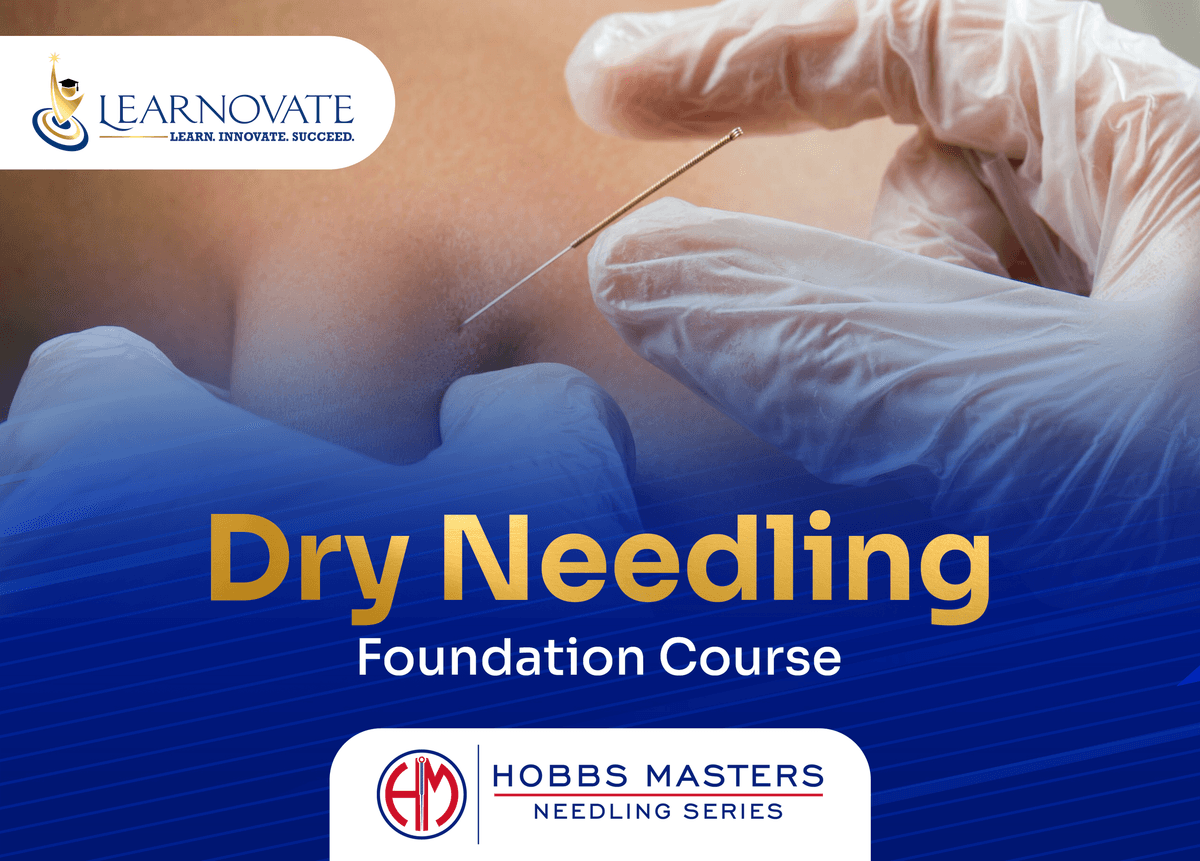

Physiotherapy is continuously evolving with new treatment techniques and evidence-based rehabilitation approaches. Among these techniques, dry needling has gained significant attention for its role in managing muscular pain, improving mobility, and supporting physical rehabilitation. For physiotherapists who want to expand their clinical knowledge and provide more effective patient care, enrolling in the best dry needling course in Dubai can be an excellent professional development opportunity.
Dubai has become an important destination for healthcare education, offering opportunities for physiotherapists to enhance their practical skills and learn advanced treatment methods. A professional dry needling training programme helps practitioners understand the technique, develop clinical confidence, and apply appropriate treatment strategies in their daily practice.
What Is Dry Needling?
Dry needling is a therapeutic technique that involves inserting thin, sterile needles into specific muscular areas, commonly known as trigger points. These points may contribute to muscle tightness, discomfort, restricted movement, and referred pain.
Unlike acupuncture, which is traditionally associated with Chinese medicine, dry needling is generally based on modern anatomical, neurological, and musculoskeletal principles. It is used by appropriately trained healthcare professionals as part of a broader physiotherapy treatment plan.
The primary objective is to address muscular dysfunction, reduce pain sensitivity, and support improved movement and functional recovery.
Why Choose a Dry Needling Course in Dubai?
Dubai offers a growing environment for professional healthcare education. Physiotherapists working in hospitals, rehabilitation centres, sports clinics, and private practices can benefit from specialised training that supports their clinical development.
Choosing a dry needling course in Dubai provides several potential advantages:
- Professional Development: Gain specialised knowledge in modern musculoskeletal treatment techniques.
- Practical Learning: Develop hands-on skills under appropriate professional supervision.
- Clinical Confidence: Understand patient assessment, treatment planning, and safe needle application.
- Career Advancement: Expand your professional skill set and explore opportunities in different physiotherapy settings.
- Evidence-Based Practice: Learn how dry needling can complement conventional rehabilitation approaches.
A quality course should balance theoretical knowledge with practical training so participants can understand both the benefits and limitations of the technique.
What Will You Learn in a Dry Needling Training Programme?
The best dry needling course in Dubai should provide a structured learning experience covering essential theoretical and practical topics.
1. Anatomy and Musculoskeletal Assessment
Understanding human anatomy is fundamental to safe dry needling practice. Participants should develop knowledge of muscle structure, trigger point locations, surrounding tissues, and relevant anatomical landmarks.
Clinical assessment is equally important because physiotherapists must identify whether dry needling is appropriate for an individual's condition.
2. Trigger Point Identification
Trigger points may contribute to local discomfort, referred pain, and restricted muscle function. Training helps physiotherapists understand their characteristics and learn appropriate assessment techniques.
3. Dry Needling Techniques
Participants are introduced to different dry needling approaches and their clinical applications. Practical sessions should focus on correct techniques, appropriate needle handling, and supervised skill development.
4. Patient Assessment and Treatment Planning
Dry needling should not be performed without proper patient evaluation. Physiotherapists need to understand medical history, clinical presentation, contraindications, and treatment objectives before selecting an appropriate approach.
5. Safety and Infection Control
Patient safety is a central component of professional dry needling education. Training should include hygiene protocols, sterile single-use needles, safe disposal procedures, potential adverse reactions, and risk management.
Conditions Where Dry Needling May Be Used
When clinically appropriate, dry needling may be incorporated into rehabilitation programmes for several musculoskeletal conditions, including:
- Neck and shoulder muscle discomfort
- Lower back pain associated with muscular dysfunction
- Sports-related muscle tightness
- Myofascial pain conditions
- Restricted muscle mobility
- Certain cases of tension-related discomfort
- Muscular pain affecting everyday activities
The suitability of dry needling depends on individual assessment, clinical reasoning, and the patient's medical history. It is generally used alongside other physiotherapy interventions rather than as a standalone treatment.
Who Should Enrol in a Dry Needling Course?
Dry needling training is particularly relevant for qualified physiotherapists and eligible healthcare professionals whose scope of practice permits the technique.
It may be beneficial for:
- Musculoskeletal physiotherapists
- Sports physiotherapists
- Orthopaedic rehabilitation professionals
- Rehabilitation specialists
- Physiotherapists working in private clinics
- Healthcare practitioners seeking advanced clinical education
Before enrolling, participants should check the course eligibility requirements, professional licensing considerations, and local regulations applicable in Dubai.
How to Choose the Best Dry Needling Course in Dubai
Selecting the right training programme is important for gaining meaningful clinical skills. Instead of focusing only on course duration or fees, consider the quality and structure of the education.
Look for a programme that offers:
Experienced Instructors: Trainers should have relevant clinical experience and expertise in dry needling education.
Practical Training: Hands-on learning should be included wherever permitted, with suitable supervision and safety measures.
Comprehensive Curriculum: The syllabus should cover anatomy, trigger points, clinical assessment, treatment techniques, contraindications, and infection control.
Evidence-Based Content: Course material should reflect current clinical knowledge and responsible treatment practices.
Recognised Certification: Understand what the certificate represents and whether it is accepted by relevant employers or professional authorities. Completing a course does not automatically grant permission to practise dry needling.
Benefits of Adding Dry Needling to Physiotherapy Practice
Dry needling can complement established physiotherapy treatments when used appropriately. Combining it with therapeutic exercise, manual therapy, movement retraining, and patient education may help address different aspects of musculoskeletal rehabilitation.
For physiotherapists, additional training can improve clinical reasoning and provide a broader range of treatment options. It also encourages continuous learning and helps professionals stay informed about developments in rehabilitation practice.
However, treatment outcomes vary between individuals, and dry needling is not suitable for every patient or condition.
Conclusion
Enrolling in the best dry needling course in Dubai can be a valuable step for physiotherapists who want to strengthen their clinical expertise and explore advanced musculoskeletal treatment approaches. A well-structured programme should combine anatomical knowledge, trigger point assessment, practical learning, patient safety, and evidence-based clinical applications.
By choosing quality training from experienced educators and understanding the relevant professional requirements, physiotherapists can develop the knowledge and skills needed to integrate dry needling responsibly into comprehensive rehabilitation programmes. Investing in specialised education is ultimately an investment in professional growth and better-informed patient care.

