

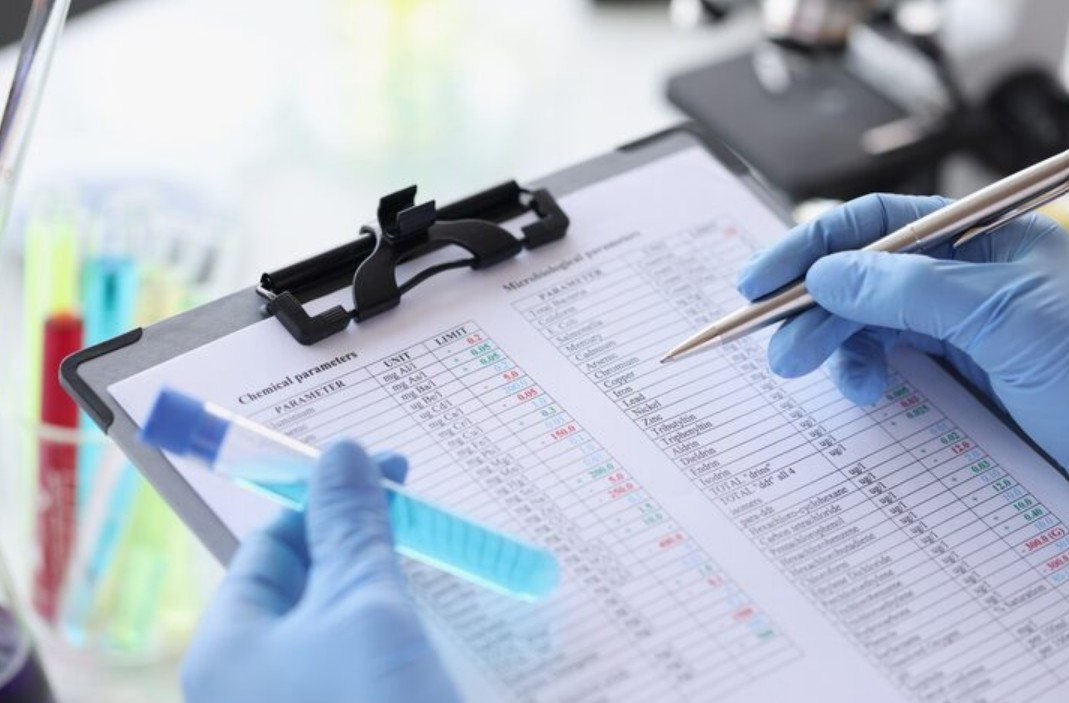

In today’s fast-paced healthcare landscape, the value of information cannot be overstated. Medical records, once static files stored in dusty cabinets, have morphed into dynamic digital repositories.
This transition has not only improved accessibility for clinicians and patients but has also opened up powerful avenues for analysis. Medical record analysis stands at the forefront of this transformation, offering healthcare professionals the tools to glean vital insights, enhance patient outcomes, and drive operational efficiency.
Understanding Medical Record Analysis
Medical record analysis refers to the systematic examination of patient records to extract meaningful information. This process involves sifting through structured and unstructured data, identifying patterns, and making informed decisions that can impact clinical care, compliance, and healthcare research.
The practice is not limited to reviewing clinical notes. It extends to evaluating diagnostic results, prescriptions, treatment responses, and even patient demographics to obtain a holistic view of the patient’s health journey.
Importance of Accurate Medical Record Analysis
Accurate medical record analysis is foundational for quality care. Consider a scenario: A patient enters the emergency room with non-specific symptoms. Thorough and well-analyzed historical records provide the attending physician with clues about pre-existing conditions, prior medications, or previous adverse reactions.
This comprehensive perspective reduces duplication of tests, lowers readmission rates, and minimizes medical errors. Furthermore, administrative personnel can use insights from record analysis to streamline workflow, ensure regulatory compliance, and improve billing processes.
Steps in the Medical Record Analysis Process
Medical record analysis is not a single step but an ongoing, iterative process:
-
Data Collection
All relevant medical records must be gathered and digitized if not already in electronic form. This includes progress notes, laboratory and imaging results, operative reports, and discharge summaries. -
Data Cleaning and Validation
Ensuring the accuracy and completeness of records is critical. Analysts check for missing fields, correct discrepancies, and validate entries against established standards. -
Data Extraction and Structuring
Relevant data points are extracted and organized into structured formats for easier interpretation. Advanced technologies such as natural language processing may be used for unstructured data, making it useful for analysis. -
Analysis and Interpretation
Using statistical methods and clinical expertise, analysts look for trends, anomalies, or areas of concern. Findings are usually presented in clear, actionable reports with supporting evidence. -
Action and Feedback
The final step involves implementing changes, monitoring outcomes, and continuously updating the data analysis approach based on feedback.
Benefits of Robust Medical Record Analysis
Medical record analysis benefits different stakeholders across the healthcare spectrum:
-
Improved Patient Outcomes: Through trend detection, medical record analysis can facilitate early interventions for high-risk patients.
-
Enhanced Clinical Decision-Making: Physicians can make evidence-based choices, improving diagnostic accuracy.
-
Resource Optimization: Administrators and practice managers can identify bottlenecks or inefficiencies, leading to cost savings and better resource allocation.
-
Regulatory Compliance: Proper analysis supports accurate coding, documentation, and regulatory reporting, reducing legal risk.
Challenges in Medical Record Analysis
Despite its benefits, medical record analysis presents certain challenges:
-
Data Consistency: Variability in terminology, documentation practices, and data formats can hamper accurate analysis.
-
Information Overload: The sheer volume of healthcare data can be overwhelming, necessitating sophisticated tools and trained personnel.
-
Data Privacy: Patient confidentiality is critical. Analysts must follow strict ethical guidelines and security protocols to safeguard sensitive information.
Role of Automation and Artificial Intelligence
Modern advancements in automation and artificial intelligence (AI) are transforming how medical records are analyzed. Machine learning algorithms can swiftly review thousands of records, spotting subtle correlations that human reviewers might miss.
These tools can predict disease risk, flag atypical patterns, and even assist in quality improvement initiatives. However, human oversight remains imperative to contextualize findings and ensure ethically sound conclusions.
Frequently Asked Questions
What is the primary purpose of medical record analysis?
The main purpose is to extract actionable insights that lead to improved patient care, optimized healthcare operations, and enhanced compliance with healthcare regulations.
How does medical record analysis impact patient safety?
By providing a comprehensive overview of a patient’s medical history, medical record analysis reduces the likelihood of duplicate tests, dangerous drug interactions, and medical errors, all crucial to patient safety.
Do healthcare providers need specialized training for record analysis?
While basic analysis may be performed by clinicians with experience, more advanced analysis involving data mining and AI requires specialized training in health informatics or data science.
Is patient confidentiality maintained during the analysis process?
Yes, maintaining confidentiality is a top priority. Analysts are required to comply with laws and institutional policies to ensure that all data is securely managed and accessible only to authorized personnel.
Conclusion
Medical record analysis is the linchpin of modern evidence-based healthcare. As the digital transformation of the healthcare sector accelerates, effective analysis becomes all the more essential, not only for improving patient outcomes but also for maintaining operational excellence and regulatory compliance. By combining technological innovation with clinical expertise and a human touch, medical record analysis is poised to shape the future of healthcare.

