

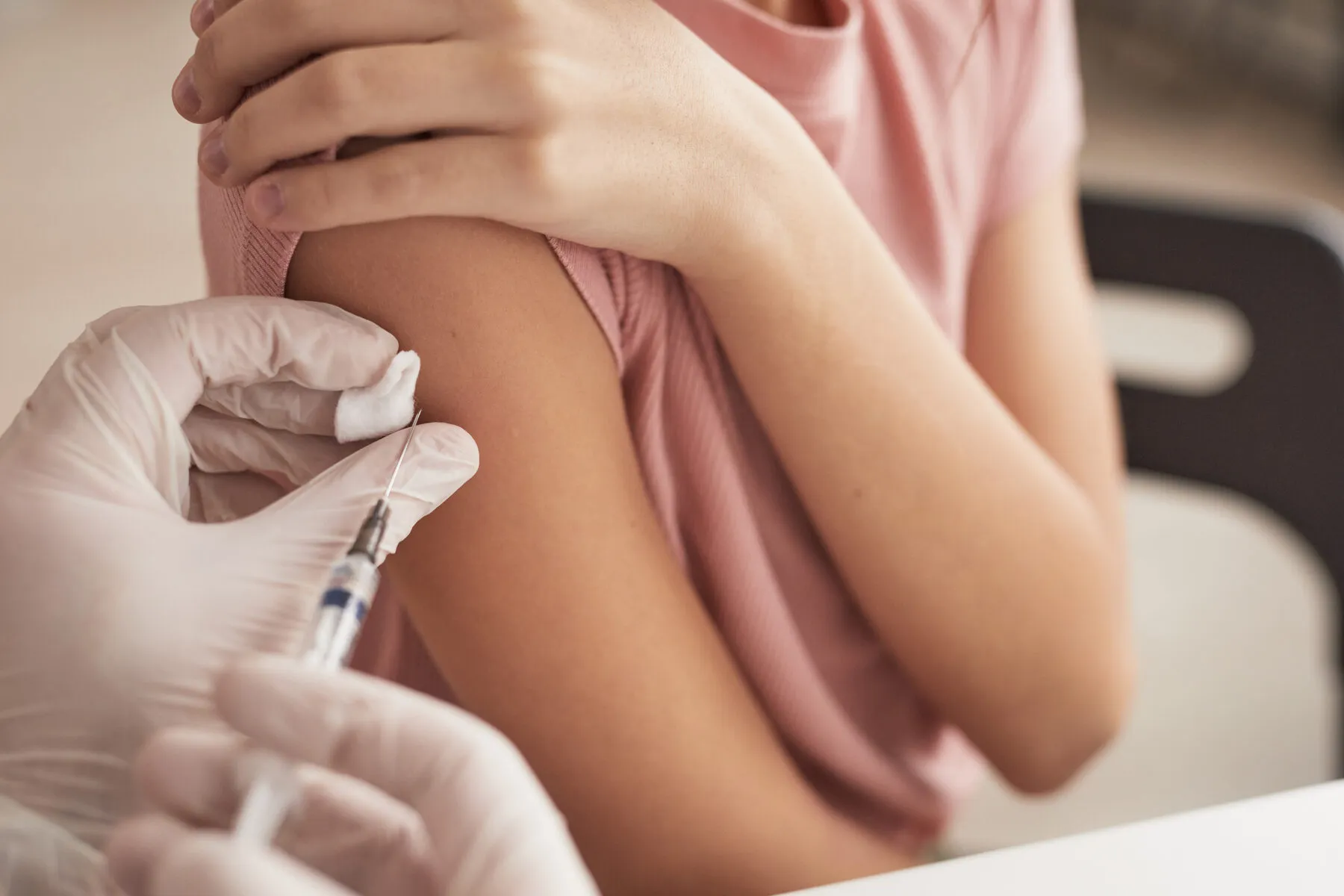
The human papillomavirus (HPV) vaccine is an important preventive measure that helps protect against specific HPV types associated with cervical cancer, other HPV-related cancers, and genital warts. One common question among individuals considering vaccination is whether its protection lasts for many years or requires regular booster doses. Understanding the long-term benefits can help you make informed decisions about preventive healthcare. With services such as HPV Vaccine at Home in Dubai, eligible individuals can arrange vaccination conveniently while receiving professional guidance through a Doctor at Home service.
How Does the HPV Vaccine Protect the Body?
The HPV vaccine helps the immune system recognise and defend against selected types of human papillomavirus. It contains virus-like particles that stimulate an immune response without containing live HPV, meaning the vaccine cannot cause an HPV infection. After vaccination, the body produces antibodies that help prevent the targeted virus types from infecting cells. This protection is particularly valuable because persistent infection with certain high-risk HPV types can cause cellular changes that may eventually lead to cancer. Other types, including HPV 6 and 11, are responsible for most genital warts. The vaccine does not protect against every HPV type, but it offers important preventive coverage against the types included in the vaccine.
Does the HPV Vaccine Provide Long-Term Protection?
Evidence from long-term monitoring indicates that HPV vaccines provide durable protection against the HPV types they target. Research has shown sustained protection for many years after vaccination, without evidence of significant loss of effectiveness during the follow-up periods studied. People who complete the recommended vaccination schedule generally do not need routine booster doses under current recommendations. However, ongoing research continues to monitor protection over time. The duration of protection may be described differently as additional long-term evidence becomes available, so individuals should follow current medical guidance rather than assume that vaccination requires frequent repetition.
How Long Does HPV Vaccine Protection Last?
Studies have demonstrated protection lasting at least a decade for commonly used HPV vaccines, with continued monitoring supporting sustained effectiveness. The available evidence has not established a need for routine booster doses after completing the recommended schedule. This is reassuring for adolescents and adults who receive the vaccine at the appropriate ages. However, researchers continue to study long-term immune responses and protection across different populations. It is important to distinguish between the protection demonstrated in research and a guarantee for every individual. Completing the recommended doses and following healthcare guidance remain essential parts of vaccination.
Are Booster Doses Needed After HPV Vaccination?
For most people who complete the recommended HPV vaccine schedule, routine booster doses are not currently recommended. The initial vaccination series is designed to stimulate an immune response that provides lasting protection against selected HPV types. Unlike some vaccines that require periodic boosters, HPV vaccination has demonstrated durable effectiveness in long-term follow-up studies. However, people who received an incomplete or incorrectly timed schedule may need additional doses to complete their vaccination course. Anyone unsure about their vaccination history should have their records reviewed by a healthcare professional. The decision about additional doses should be based on age, immune status, previous injections, and applicable local guidelines.
Why Completing the Recommended HPV Vaccine Schedule Matters:
Receiving the correct number of doses is important for developing the intended level of protection. The recommended schedule generally depends on the age when vaccination begins and whether a person has an immune-system condition. Common guidance includes:
-
Starting before age 15: Most immunocompetent individuals need two doses, usually separated by 6–12 months.
-
Starting at age 15 or older: A three-dose schedule is generally recommended.
-
People with weakened immune systems: Three doses are generally recommended, even when vaccination begins before the 15th birthday.
-
Delayed doses: An interrupted series usually does not need to be restarted; remaining doses can generally be completed after checking the appropriate intervals.
Local recommendations and vaccine licensing requirements may vary. A healthcare professional can review your records and confirm whether your vaccination course is complete.
Does HPV Vaccine Protection Decrease Over Time?
Current evidence supports sustained protection following HPV vaccination, and significant waning of effectiveness has not been demonstrated during the follow-up periods studied. The immune system develops antibodies in response to vaccination, helping prevent infection from the targeted HPV types. Although antibody levels can change over time, this does not necessarily mean that protection has disappeared. Researchers continue to evaluate immune responses and real-world outcomes to understand how long protection lasts. Individuals should not assume that they need another dose simply because several years have passed since vaccination. Instead, they should follow established recommendations and seek professional advice if their vaccination history is uncertain.
Can Adults Benefit From Long-Term HPV Protection?
Adults can also benefit from HPV vaccination, although the potential advantages depend on age and previous exposure. Routine catch-up vaccination is generally recommended for people who have not completed vaccination through age 26. Adults aged 27–45 may consider vaccination through shared clinical decision-making with a healthcare professional. The vaccine cannot treat an existing HPV infection or related disease, but it may protect against vaccine-covered types that an individual has not previously encountered. Its benefit is generally greatest before exposure to HPV, which is why vaccination during adolescence is encouraged. Adults considering vaccination should discuss their circumstances, health history, and potential benefits with a qualified provider.
Does Long-Term HPV Protection Prevent All HPV-Related Cancers?
The HPV vaccine provides important protection against selected HPV types associated with several cancers, including cervical, anal, penile, vaginal, vulvar, and some oropharyngeal cancers. However, it does not prevent every HPV infection or every case of HPV-related cancer. Its level of protection depends on the vaccine received and the HPV types included. Vaccinated individuals should therefore continue following appropriate preventive healthcare recommendations. People with a cervix should maintain routine cervical cancer screening according to local guidelines, even after completing vaccination. Screening remains important because some cancer-associated HPV types are not covered by the vaccine.
What Factors Support Effective HPV Vaccination?
Several practical steps can help individuals receive the intended benefits of HPV vaccination and maintain accurate health records. These include:
-
Following the recommended schedule: Receive each dose at the appropriate interval.
-
Keeping vaccination records: Store dates and details of every injection for future reference.
-
Discussing medical history: Inform the healthcare professional about allergies, immune-system conditions, and relevant treatments.
-
Choosing qualified providers: Ensure vaccination is administered by trained healthcare professionals.
-
Following aftercare guidance: Remain under observation for the recommended period after receiving the injection.
-
Continuing preventive screening: Follow age-appropriate cervical screening recommendations where applicable.
These measures support safe vaccination practices and help individuals understand their ongoing preventive healthcare needs.
Is HPV Vaccine at Home in Dubai a Convenient Option?
For people with busy schedules or difficulty travelling to a clinic, home vaccination may offer a convenient alternative. HPV Vaccine at Home in Dubai allows eligible individuals to arrange an appointment in a familiar setting, provided the service follows appropriate medical standards. Before booking, confirm that the provider uses qualified healthcare professionals, maintains proper vaccine storage and cold-chain conditions, and documents each dose accurately. The professional should also review previous vaccination records, confirm eligibility, explain possible side effects, and provide post-vaccination instructions. Choosing a reliable service helps ensure that convenience is supported by safe and appropriate clinical care.
Final Thoughts
The HPV vaccine offers durable protection against the specific HPV types included in the vaccine, with long-term studies supporting continued effectiveness for many years. Routine booster doses are not currently recommended for people who have completed the appropriate vaccination schedule. However, receiving the correct number of doses, keeping accurate records, and following professional guidance remain important. Vaccination also does not replace cervical cancer screening or treat an existing HPV infection. Whether arranging an appointment at a clinic or through a qualified home vaccination service, understanding the benefits and limitations of the HPV vaccine can help support informed decisions about long-term health.

