

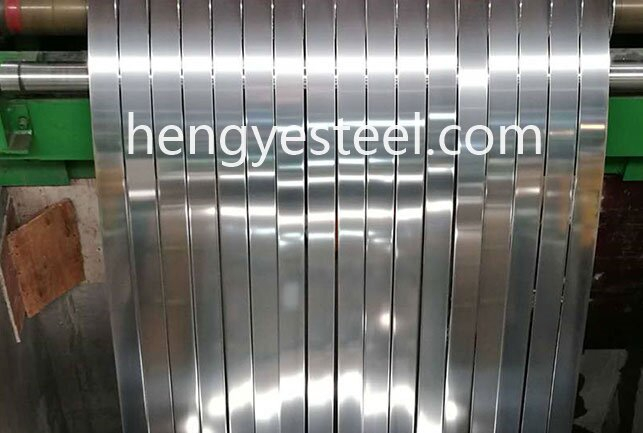

In manufacturing, the quality of a finished component is influenced long before the part reaches its final shape. The metal entering a production line affects how efficiently it can be processed and how consistently the resulting components perform. When evaluating Carbon Steel Coil, buyers need to consider the material’s composition, processing history, surface condition, and compatibility with the intended application. These factors help determine whether the steel is suitable for operations such as cutting, forming, stamping, or further treatment.
Carbon steel is primarily an iron-based material in which carbon plays an important role in shaping its mechanical characteristics. The balance of carbon and other elements influences how the steel responds to forming, heat treatment, and service conditions. Different carbon steel products may therefore be developed for different manufacturing purposes. The coil format allows material to be stored and supplied in a continuous wound form, supporting production processes that use feeding, cutting, or slitting operations. Understanding the material category and its intended role helps buyers avoid selecting steel based on its name alone.
A thoughtful purchasing process begins with the finished component rather than the material catalog. Buyers should identify the part’s function, its manufacturing route, and the conditions it may encounter during use. A component that requires repeated bending may have different material needs from one designed for wear resistance or dimensional stability. The planned production process is equally important: forming, stamping, machining, and heat treatment place different demands on the incoming steel. Buyers should discuss these needs with suppliers and review material documentation, sample quality, and compatibility with existing equipment before confirming a selection.
Manufacturing technology determines how the material’s potential is translated into a usable product. Steel processing may involve operations such as hot or cold rolling, annealing, surface preparation, and slitting. Cold rolling can help refine the surface and support more controlled material characteristics, while annealing may be used to adjust the steel’s response to subsequent processing. The sequence of operations matters because each stage can influence the next. When the material is prepared for a specific manufacturing route, the customer can better align incoming steel quality with production expectations.
Quality control is not limited to checking the appearance of a coil. Surface condition, consistency throughout the material, and the way the steel behaves during processing can all influence manufacturing results. For example, irregularities may become more noticeable after forming or finishing, while inconsistent material behavior can complicate production adjustments. Reviewing the coil as part of the complete process gives manufacturers a more practical understanding of its suitability. Communication between the supplier and production team is valuable when identifying the characteristics that matter most to the finished component.
The user experience in an industrial setting is closely connected to ease of handling and process reliability. A coil needs to be transported, stored, and introduced into production in a way that protects its condition. Clear identification and suitable packaging can help reduce confusion during material handling, while appropriate storage practices can limit unwanted exposure to moisture or contamination. At the production stage, consistent material behavior can help operators maintain a stable workflow and reduce unnecessary adjustments. These practical details influence how smoothly a material moves from receiving to finished-part manufacturing.
Appearance also matters in applications where the steel remains visible or receives a later surface treatment. A clean and consistent surface can support subsequent coating, finishing, or assembly operations. In other cases, the steel may be hidden within a component, but its condition still affects how the part is formed and fitted. Designers and engineers should consider the relationship between material characteristics and product structure early in development. The shape, edge condition, surface treatment, and intended visual finish all contribute to how the final item is perceived and used.
Dongyang Hengye Steel Strip Co., Ltd. specializes in precision cold-rolled steel strip and heat-treated alloy steel strip, serving industrial applications that include automotive components, garden tools, machinery, and other manufactured products. Its production focus connects material selection with process control and application requirements. Buyers considering steel coil or strip materials can share the intended component, processing route, surface expectations, and end-use conditions to support a more focused discussion with the supplier. More information about Dongyang Hengye Steel Strip Co., Ltd. and its products is available at https://www.hengyesteel.com/.

