

Silk has been the world's most prized fiber for thousands of years — and it still commands a premium that makes supplier choice critical. Buying silk fabric wholesale from the right manufacturer protects your margins and your reputation; buying from the wrong one delivers faded colors, weak weaves, and angry customers.
Pure Mulberry vs. Blends: Know What You're Buying
Not all silk is equal. 100% pure mulberry silk — the long, uniform filaments from silkworms fed exclusively on mulberry leaves — is the gold standard: strongest natural textile in the world, with the lustre and drape that made silk legendary. Silk blends and mixed fabrics serve different price points and applications. A trustworthy silk fabric wholesale supplier offers both, clearly labeled, so you choose the right fiber for each product instead of discovering the difference in a customer complaint.
Custom Weaving, Dyeing, and Printing
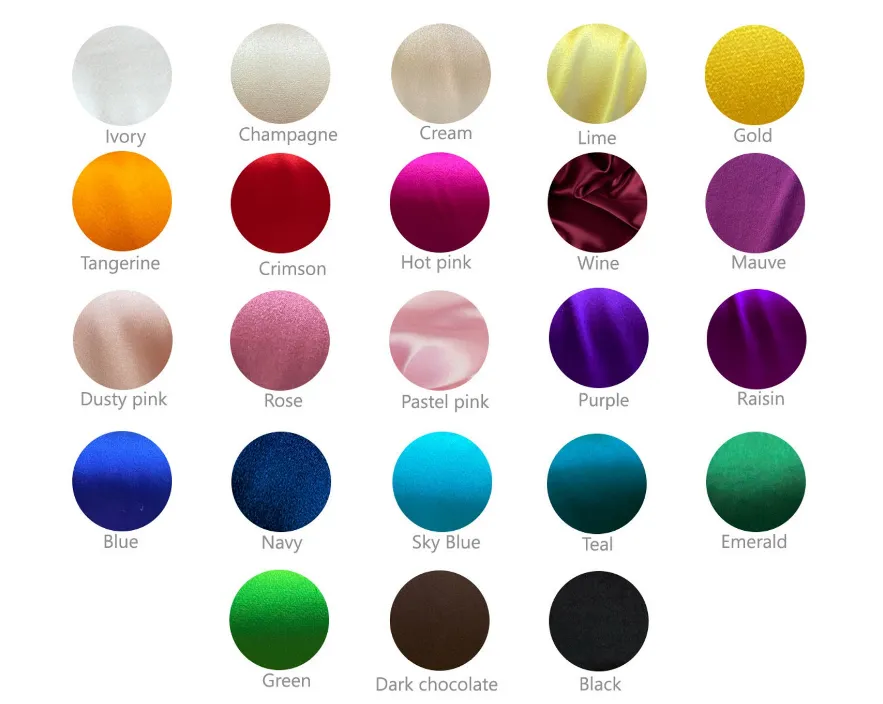
Off-the-shelf silk limits you to someone else's choices. The real value of silk fabric wholesale is customization: greige fabric woven to your specified texture, weight, and width; dyeing matched to your exact color standards; printing — including custom printed designs — produced to your patterns. A supplier with in-house weaving, dyeing, and printing can take your design from concept to finished fabric without the quality risks of split subcontracting.
Woven and Knits: Range Matters
Fashion needs both. Woven silks — charmeuse, crepe de chine, organza — for structured garments and linings; silk knits for fluid, body-conscious pieces. A wholesale supplier covering both categories, in pure silk and blends plus specialty lines like silk burn-out, lets you source an entire silk fabric wholesale collection from one partner. Fewer suppliers means fewer variables, fewer shipments, and consistent quality across the range.
Certifications That Actually Mean Something
Silk touches skin — often for hours — so safety standards matter. OEKO-TEX Standard 100 certification means every component of the fabric has been tested for harmful substances. The 4-point inspection system is the industry's standard fabric quality check, catching defects before fabric ships. When evaluating a silk fabric wholesale partner, ask for these by name. A supplier that meets them will say so proudly; one that dodges the question has told you everything.
Own Factory, Own Accountability
The deepest quality guarantee is vertical integration. A supplier with their own garment factory understands fabric the way only a maker can — they know how a weave behaves on the cutting table, how a dye lot performs in production, and they catch quality issues before production because they've seen what happens downstream. That manufacturing depth is what separates a real wholesale partner from a trading company passing fabric through.
Ordering Smart: Samples Before Volume
Never commit to volume on catalogue photos alone. A serious wholesale partner sends physical strike-offs and lab dips for your approval before the production run — check hand feel, drape, color accuracy, and print sharpness under your own lighting. When you order silk fabric wholesale at scale, agree the quality standard in writing: acceptable defect rates under the 4-point system, color tolerance, and what happens to fabric that fails. The sample you approve becomes the contract the shipment must match.
Getting Started
Silk rewards the careful buyer. For silk fabric wholesale with genuine manufacturing depth — custom weaving, dyeing and printing, pure mulberry and blend options, OEKO-TEX 100 standards, and 4-point inspection on every shipment — start with samples and feel the difference quality makes.

