

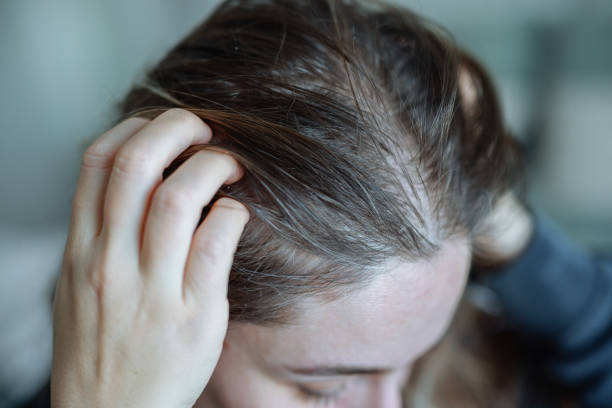

Healthy hair growth depends on several factors, including genetics, nutrition, hormones, scalp condition, and everyday hair care habits. When hair gradually becomes thinner, grows more slowly, or loses its natural density, it may indicate an underlying issue affecting the hair follicles. Understanding these changes is an important first step toward finding suitable solutions. Many individuals exploring Hair loss treatment in Riyadh want to understand why their hair is becoming weaker and which professional approaches may help improve its appearance. Recognizing early signs can make it easier to seek appropriate guidance before thinning becomes more noticeable.
Hair growth follows a natural cycle consisting of growth, transition, and resting phases. Changes in this cycle can cause excessive shedding, reduced density, and weaker strands. People considering professional hair restoration may experience different concerns, such as a widening hair part, a receding hairline, or overall thinning across the scalp. Exploring Hair loss treatment in Riyadh can help individuals understand available treatment options and identify approaches that suit their specific hair concerns. Identifying the pattern and possible cause of hair loss allows specialists to recommend an appropriate treatment strategy.
Common Causes of Weak Hair Growth
Genetic Factors and Hereditary Hair Loss
Genetics plays an important role in determining hair thickness, density, and susceptibility to thinning. Hereditary hair loss can affect both men and women, although its patterns may differ. Some individuals notice gradual thinning around the temples or crown, while others experience reduced density across the scalp. Genetic hair loss develops progressively and may require professional assessment to understand its severity and identify suitable management options.
Hormonal Changes and Medical Factors
Hormonal fluctuations can influence the hair growth cycle and contribute to increased shedding. Pregnancy, childbirth, thyroid disorders, and certain hormonal conditions may affect follicle activity. Some medications and medical conditions can also contribute to temporary or persistent hair loss. A professional evaluation can help determine whether additional medical investigation is necessary before beginning a hair restoration plan.
Nutritional Deficiencies and Lifestyle Habits
Hair follicles require adequate nutrients to support normal growth. Insufficient iron, protein, zinc, and certain vitamins may contribute to weak strands and excessive shedding. Stress, inadequate sleep, restrictive diets, and unhealthy lifestyle habits can also affect hair quality. Maintaining balanced nutrition and healthy routines can support overall scalp and hair health.
Modern Solutions for Improving Hair Growth
Professional Hair and Scalp Assessment
An effective treatment journey begins with understanding the condition of the scalp and hair follicles. Specialists may examine hair density, shedding patterns, scalp health, and personal medical history. Depending on the findings, additional tests may be recommended to identify nutritional or hormonal concerns. This assessment helps establish realistic expectations and determine which treatment options may be appropriate.
PRP Therapy for Hair Restoration
Platelet-rich plasma (PRP) therapy uses a concentrated portion of a person's own blood. After processing, the platelet-rich preparation is administered into selected areas of the scalp. Platelets contain growth factors involved in tissue repair and biological signaling. PRP is used in some hair restoration settings to support follicle activity and improve hair density. Results vary depending on the underlying cause of hair loss, individual response, and treatment protocol.
Mesotherapy for Scalp Support
Hair mesotherapy involves administering selected substances into the superficial layers of the scalp. Depending on the formulation and clinical approach, these preparations may contain vitamins and other ingredients intended to support scalp health. Its effectiveness for hair loss is not equally established across all formulations, so treatment selection should be based on professional assessment and realistic expectations.
Medical Treatments for Hair Thinning
Certain evidence-based medical treatments may help manage specific forms of hair loss. Topical minoxidil is commonly used for pattern hair loss, while other prescription options may be considered for suitable patients. These treatments differ in effectiveness, suitability, and potential side effects. A qualified professional should explain the available options and whether ongoing treatment is necessary to maintain results.
The Importance of a Personalized Hair Care Routine
Professional treatments can be supported by healthy daily habits. Gentle cleansing, avoiding excessive heat styling, limiting harsh chemical treatments, and using suitable hair care products can help reduce preventable breakage. A balanced diet containing sufficient protein, iron, and essential nutrients also supports normal hair function. However, lifestyle improvements cannot independently reverse every type of hair loss, particularly when genetic or medical factors are involved.
Consistency is another important consideration. Hair growth is gradual, and visible changes may take several months depending on the treatment and individual growth cycle. Following professional recommendations, attending scheduled reviews, and monitoring changes in hair density can help determine whether a treatment plan is working effectively.
Choosing the Right Hair Restoration Approach
Not every hair loss concern requires the same solution. Some individuals experience temporary shedding, while others have progressive thinning associated with genetics or hormonal changes. The right approach depends on the diagnosis, scalp condition, medical background, and personal goals. A professional consultation helps distinguish between different types of hair loss and prevents unnecessary treatments that may not address the actual problem.
Understanding the limitations of available procedures is equally important. No treatment can guarantee complete hair restoration, and results vary between individuals. Discussing potential benefits, side effects, maintenance requirements, and realistic outcomes helps patients make informed decisions about their hair health.
Book Your Hair Consultation at Royal Clinic Saudi
If you are experiencing weak hair growth, excessive shedding, or noticeable thinning, professional guidance can help you understand your options. Royal Clinic Saudi offers consultations to assess individual hair concerns and discuss suitable treatment approaches. Schedule an appointment to explore personalized hair restoration solutions and take an informed step toward healthier-looking hair.
FAQs:
1. What causes weak hair growth?
Weak hair growth may result from genetics, hormonal changes, nutritional deficiencies, stress, or medical conditions.
2. Can professional hair treatments improve hair density?
Yes, treatments such as PRP and suitable medical therapies may improve hair density in some individuals.
3. How long does hair restoration take?
Visible improvements may take several months, depending on the treatment and individual hair growth cycle.
4. Is consultation necessary before hair loss treatment?
Yes, consultation helps identify the cause of hair loss and select an appropriate treatment.

